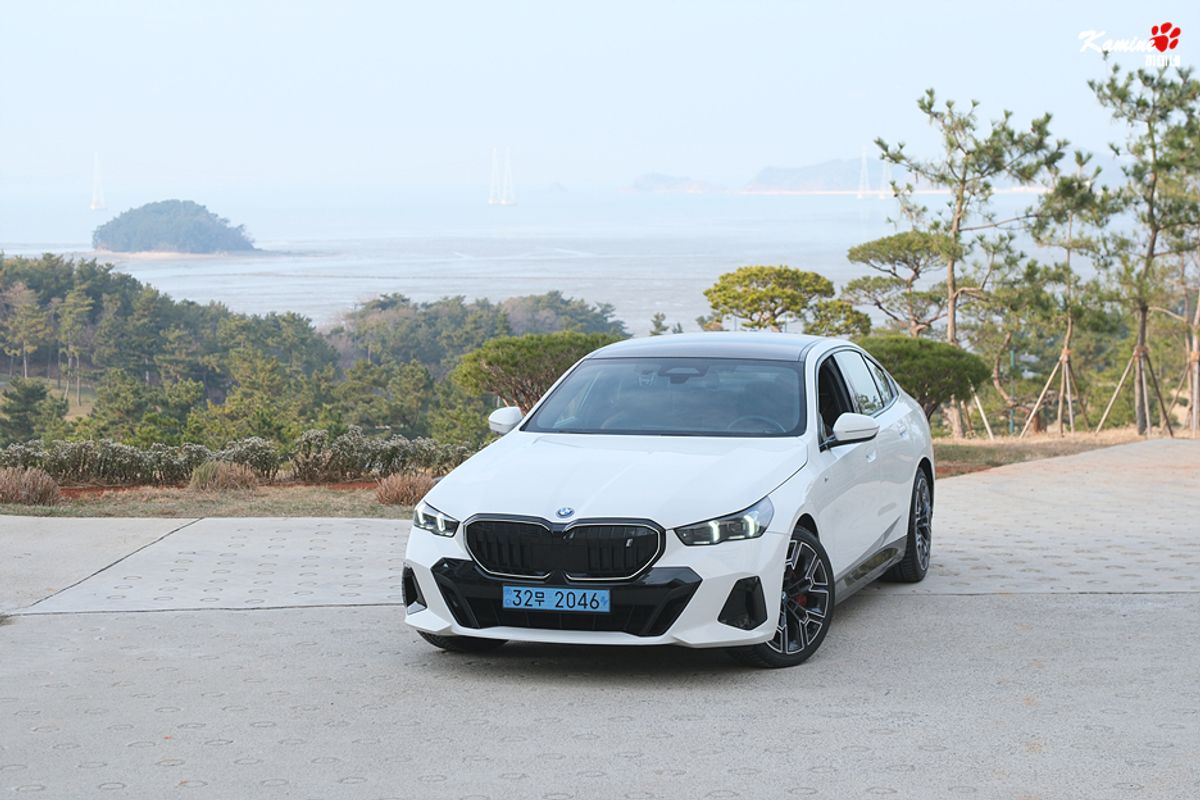
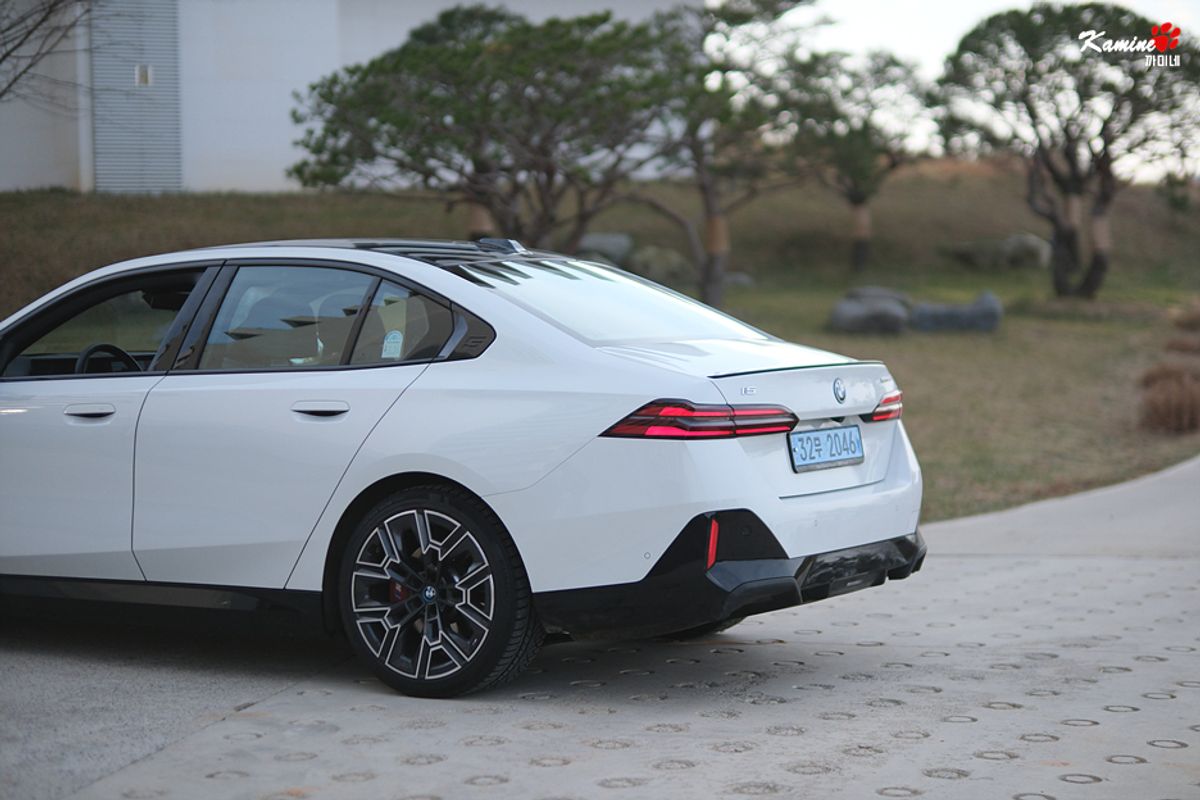
BMW Korea recently launched the 5 Series Plug-in Hybrid (PHEV) 550e model in the domestic market. This high-performance vehicle can travel up to 62 km (38.5 miles) solely on electric power, according to South Korea's Ministry of Environment certification. It boasts a combination of a six-cylinder TwinPower Turbo engine and an electric motor, delivering a system peak output of 489 horsepower and a maximum torque of 71.4 kg.m (520 lb-ft).
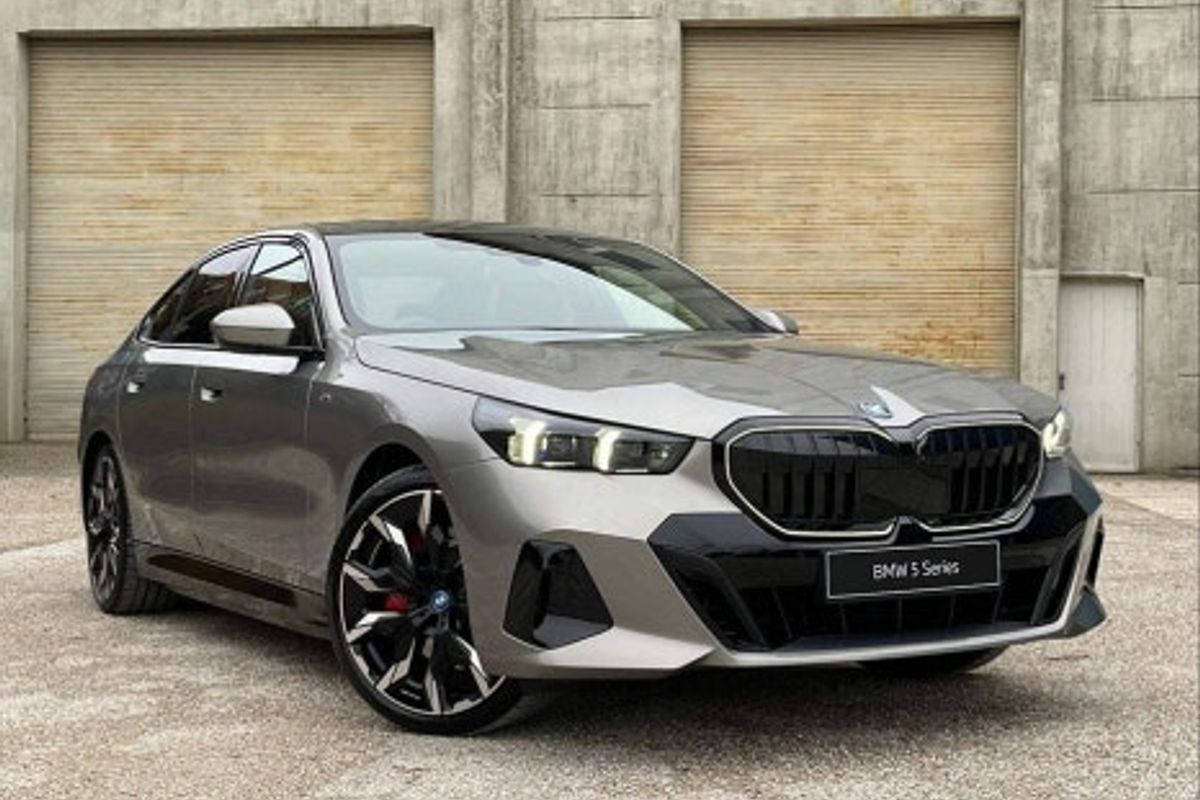
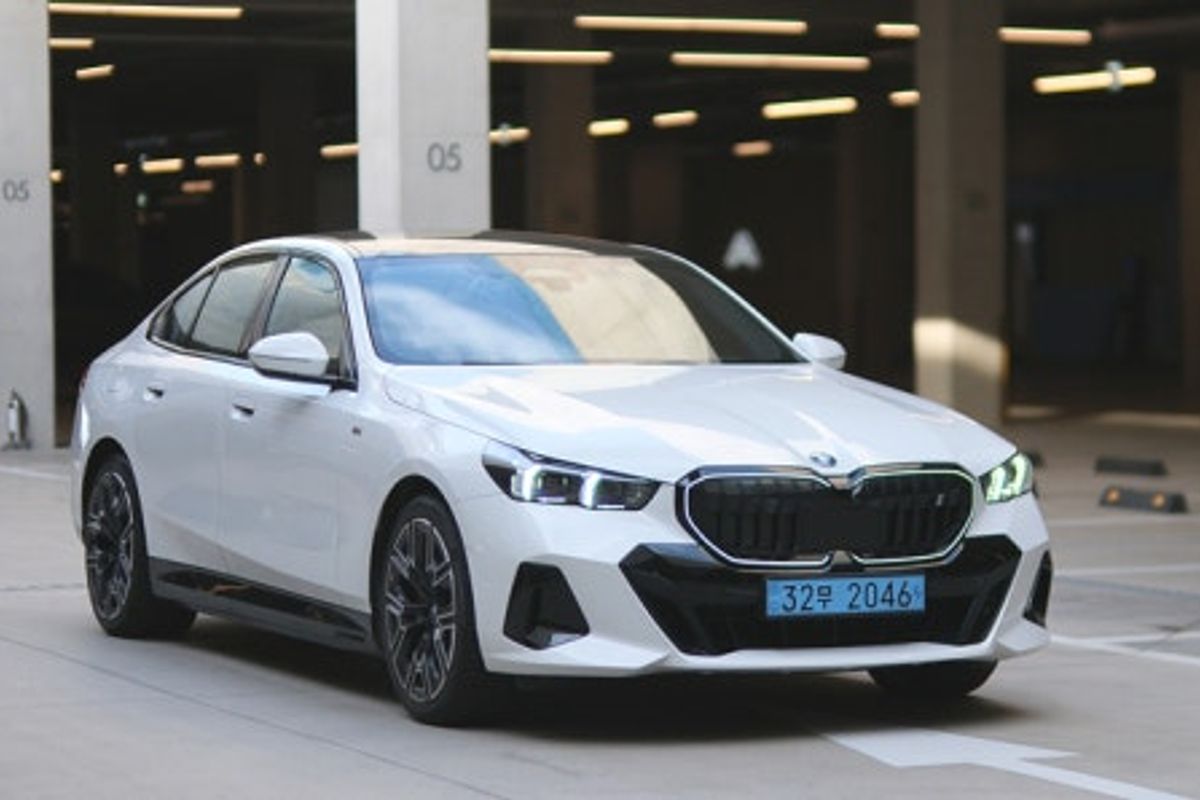
Although BMW previously introduced the 530e model with the same plug-in hybrid system, the 550e distinguishes itself with the smooth driving experience typical of BMW's six-cylinder turbo engines. It also offers impressive fuel efficiency, averaging over 14 km/L (33.1 mpg), which sets it apart from four-cylinder hybrid models.
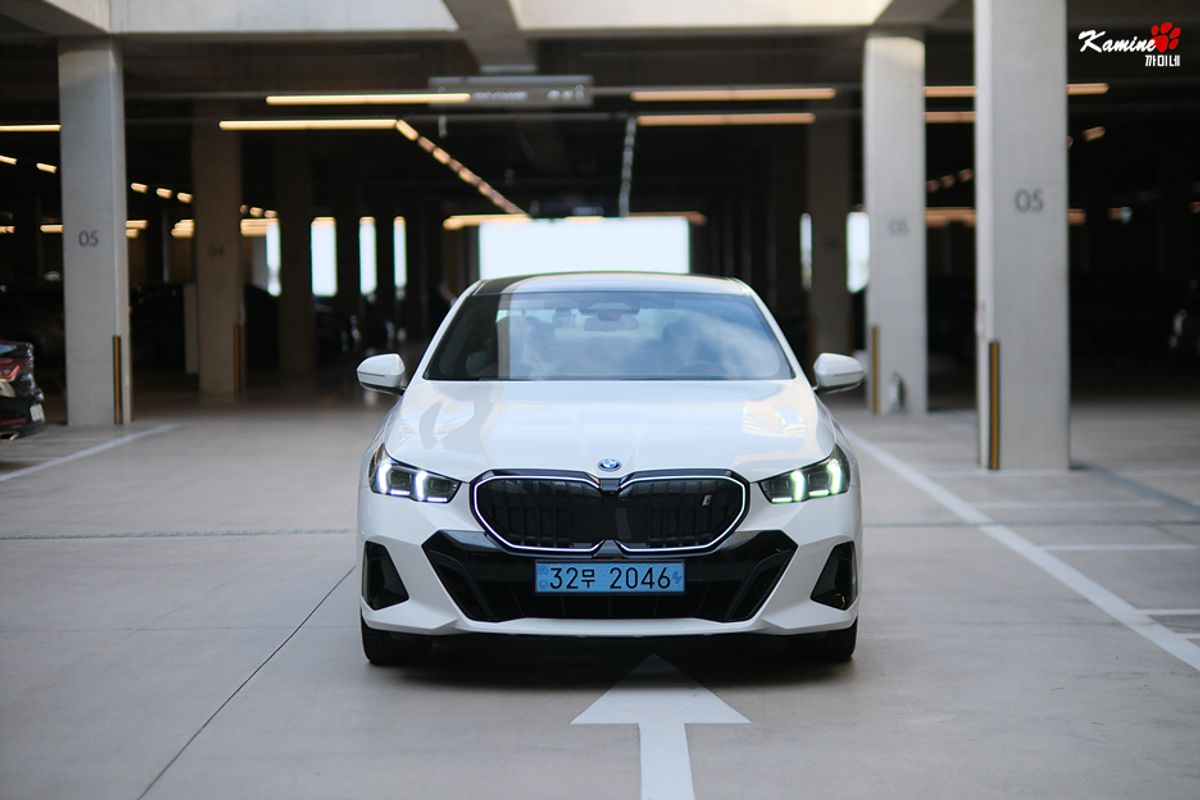
Many still think of the car as a combustion engine, so it's refreshing to see BMW showcase various trims of the 5 Series based on internal combustion engines rather than just the all-electric i5. Considering BMW's various discount promotions, one can purchase the cost-effective 520i for around 60 million KRW (approximately 45,000 USD), and with the hybrid flagship PHEV 550e now available, it seems like nearly every option in the 5 Series lineup is accessible in the domestic market.
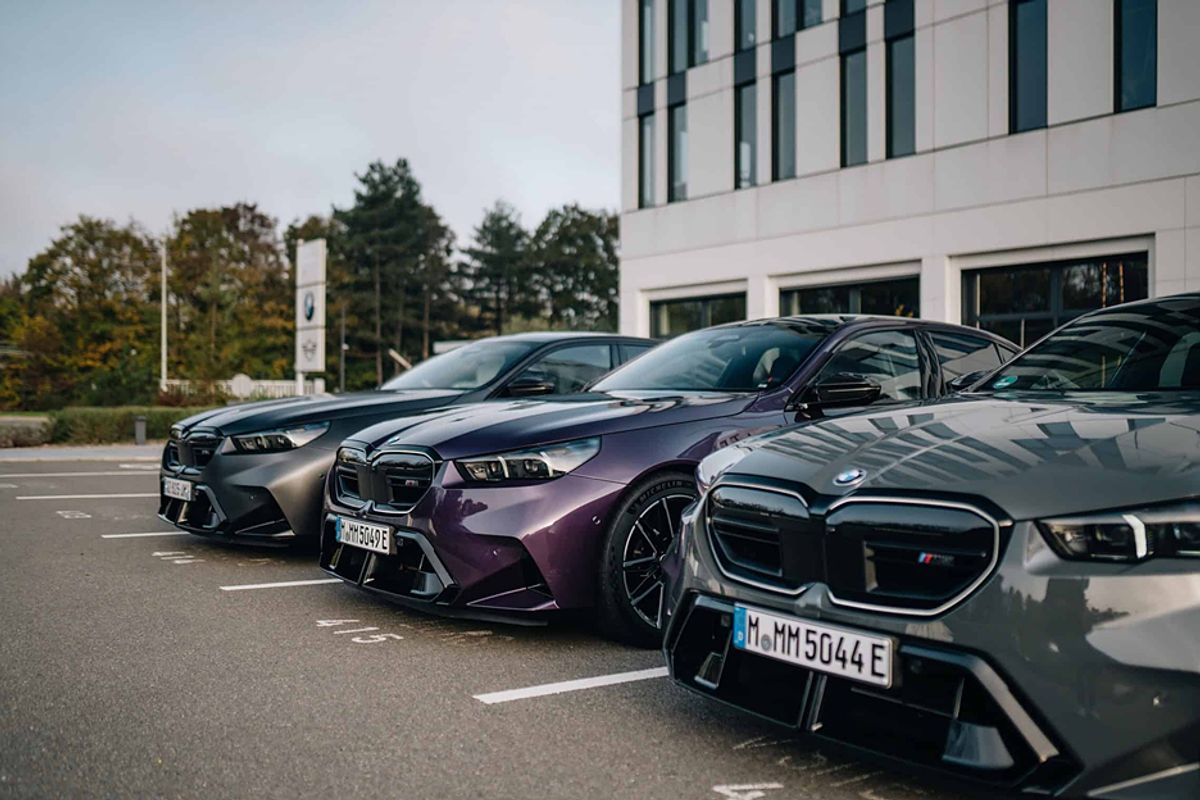
If the new M5 joins the lineup, it will complete the entire range. Now, the dilemma begins: the price. The recently launched 550e xDrive, equipped with the M Sport Package Pro, starts at 114.9 million KRW (approximately 86,000 USD). With the upcoming base model of the M5 expected to be around 150 million KRW (approximately 112,500 USD), the price difference doesn't seem significant.
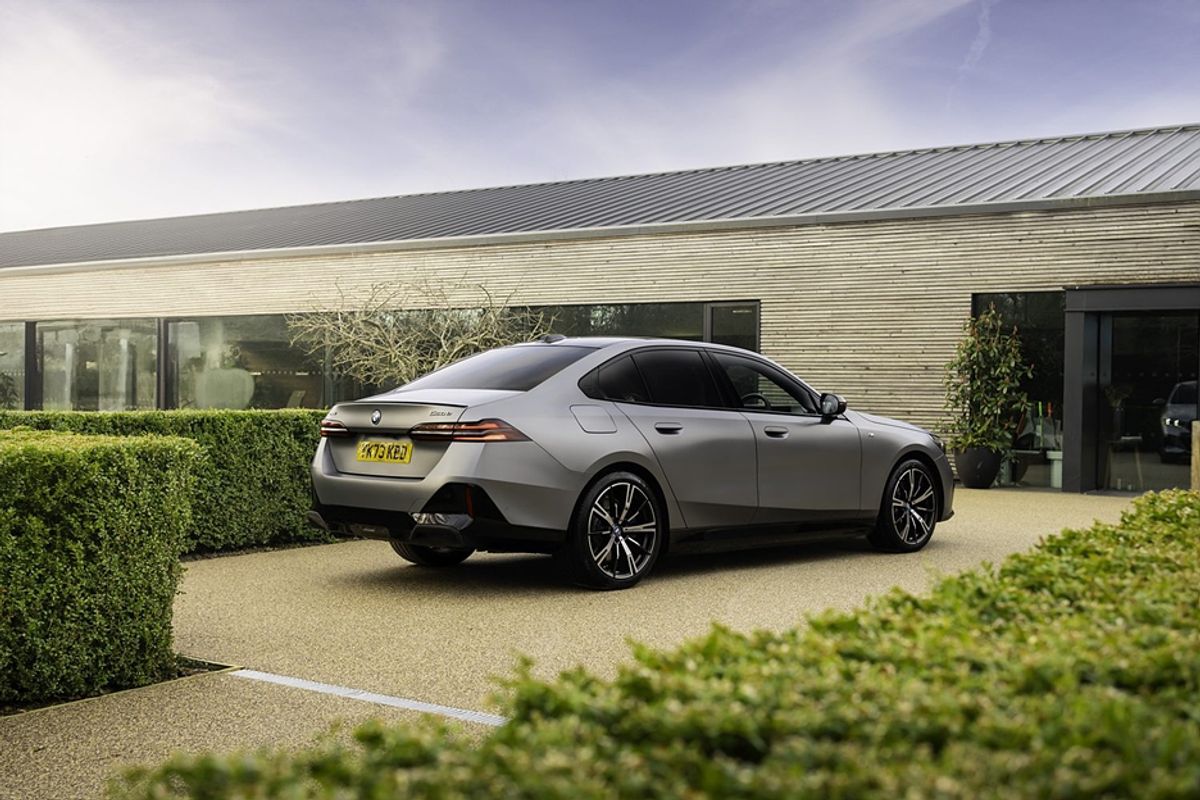
Would it be more reasonable to opt for the 530e M Sport Package, which can be purchased for around 80 million KRW (approximately 60,000 USD)? However, human nature is complex... The system's combined output of 300 horsepower feels more than adequate in real-world driving. Yet, many find themselves drawn to the 489-horsepower 550e. But then what happens?
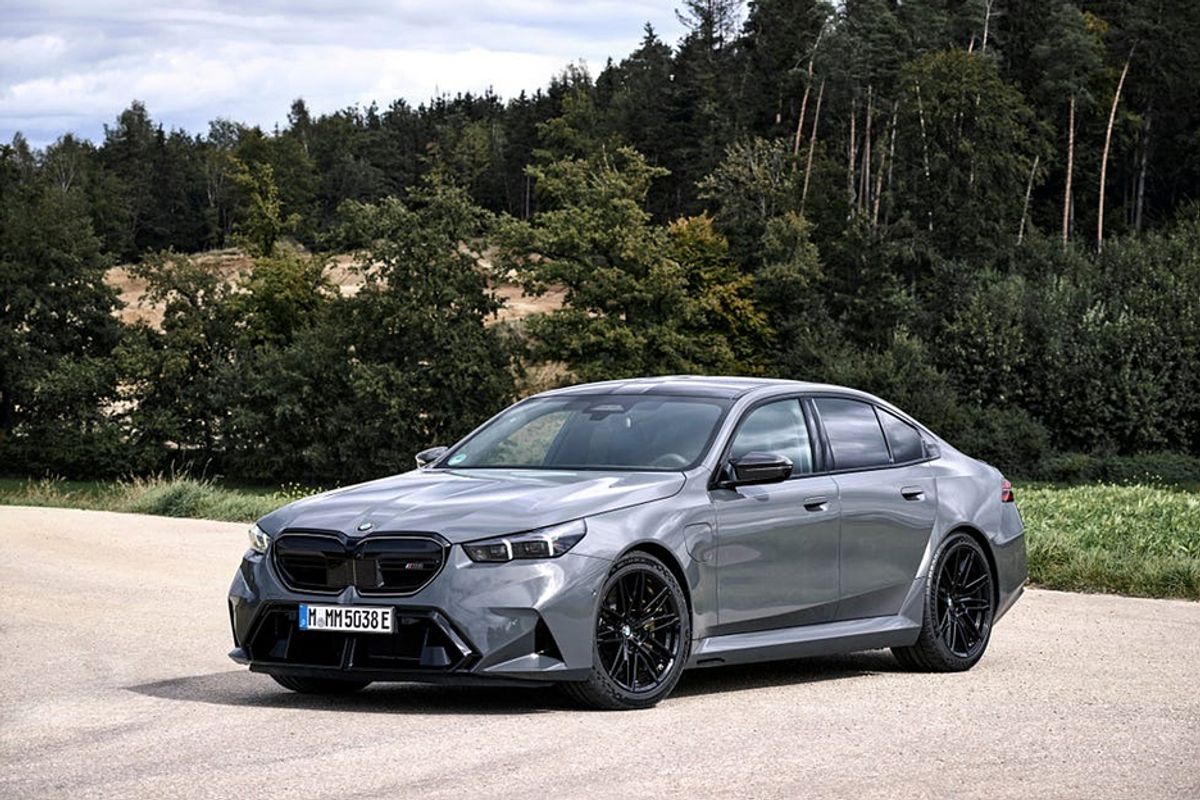
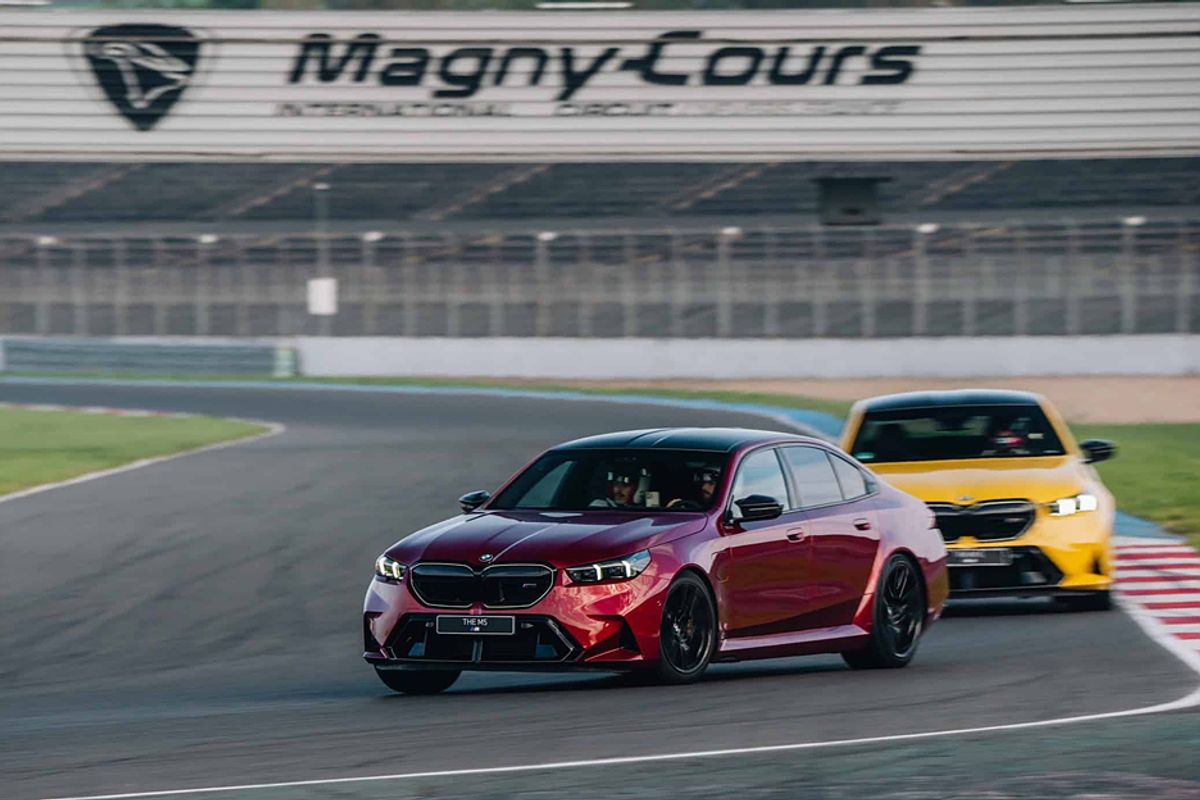
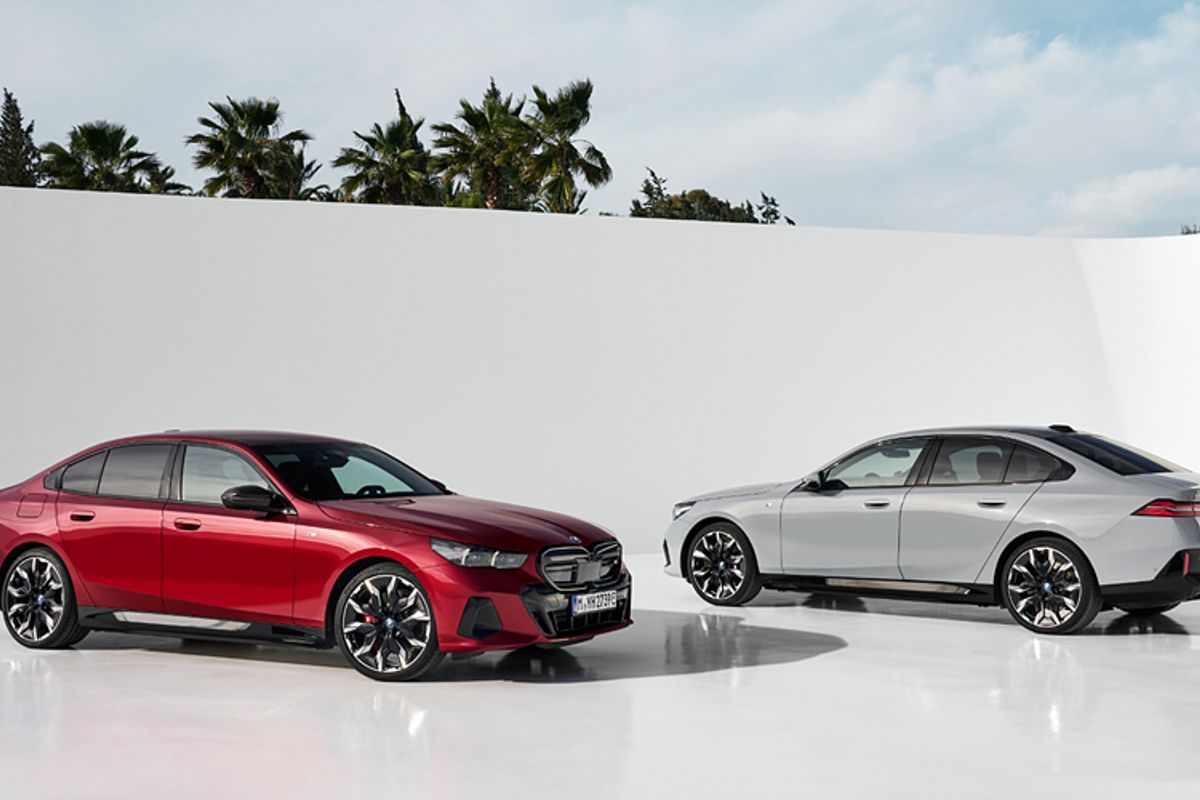
Although the new M5 may appear similar to the electric i5 and the 5 Series, it features a fundamentally different chassis design. With its muscular fenders and robust undercarriage, it is expected to provide a more comfortable ride than previous M5 models, thanks in large part to its over 2-ton curb weight and specialized suspension system.
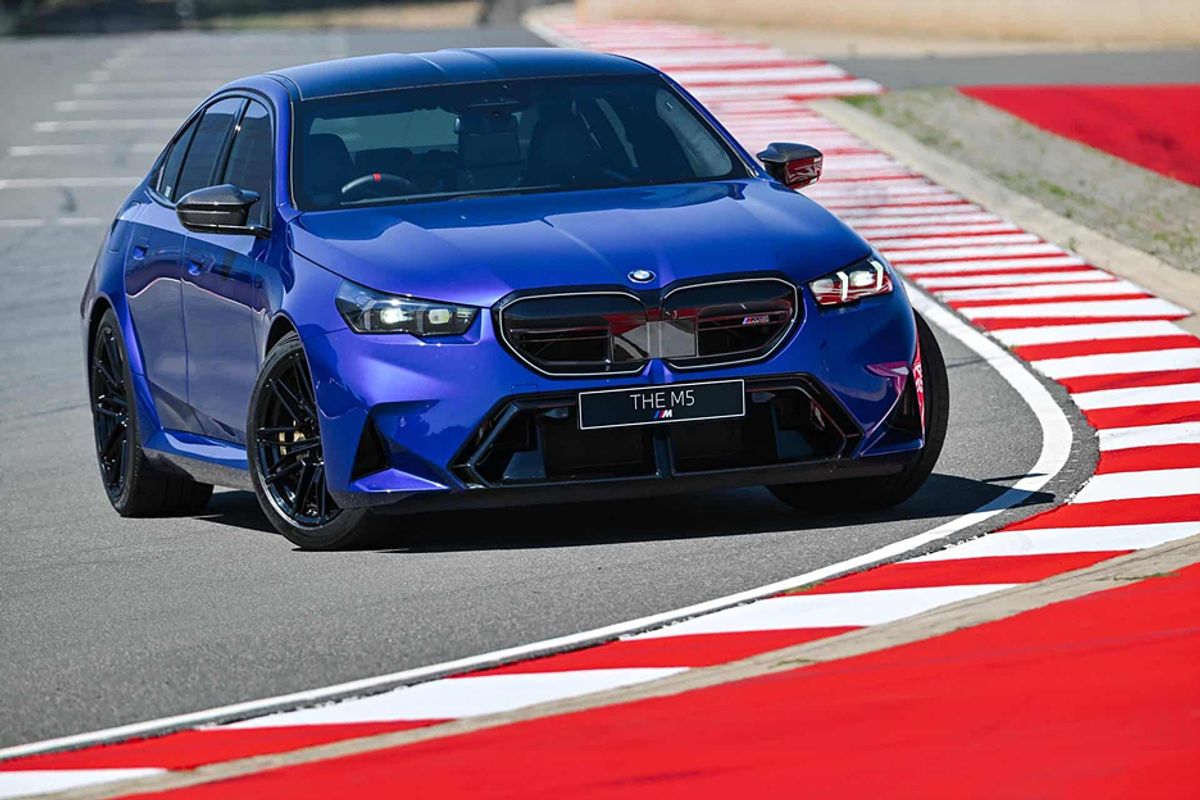
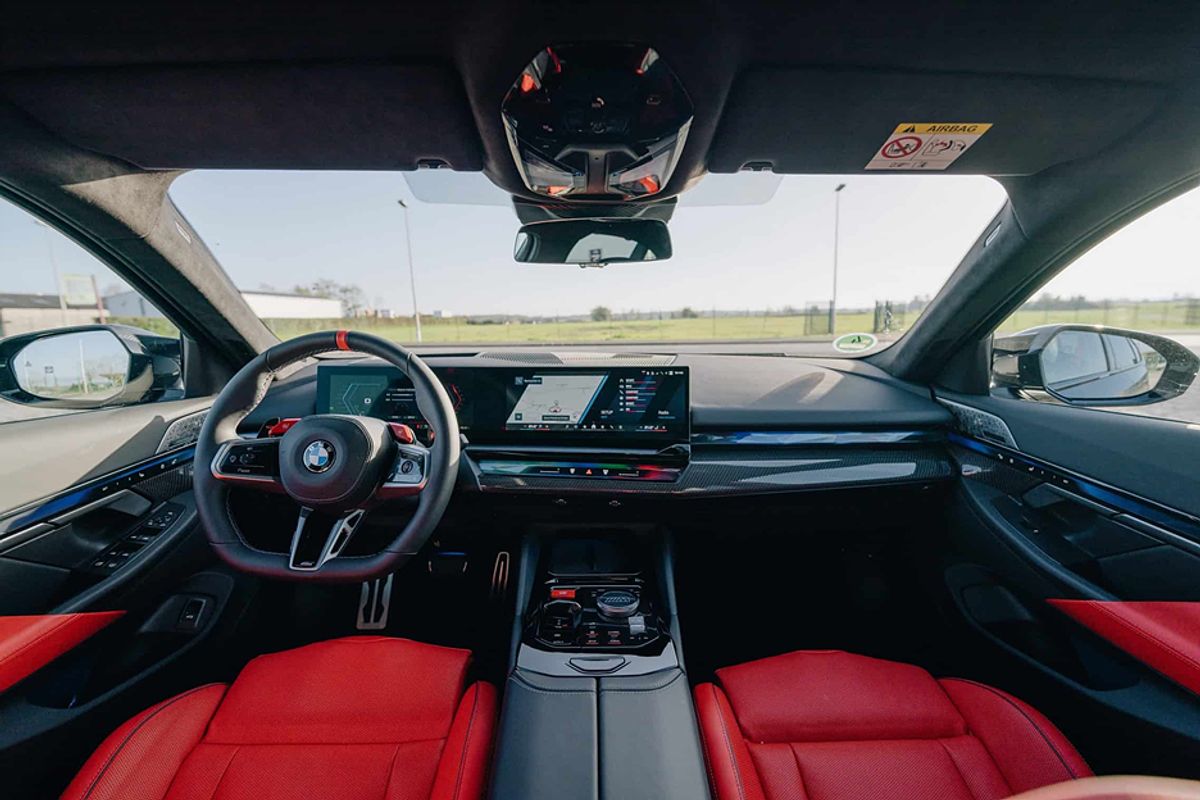
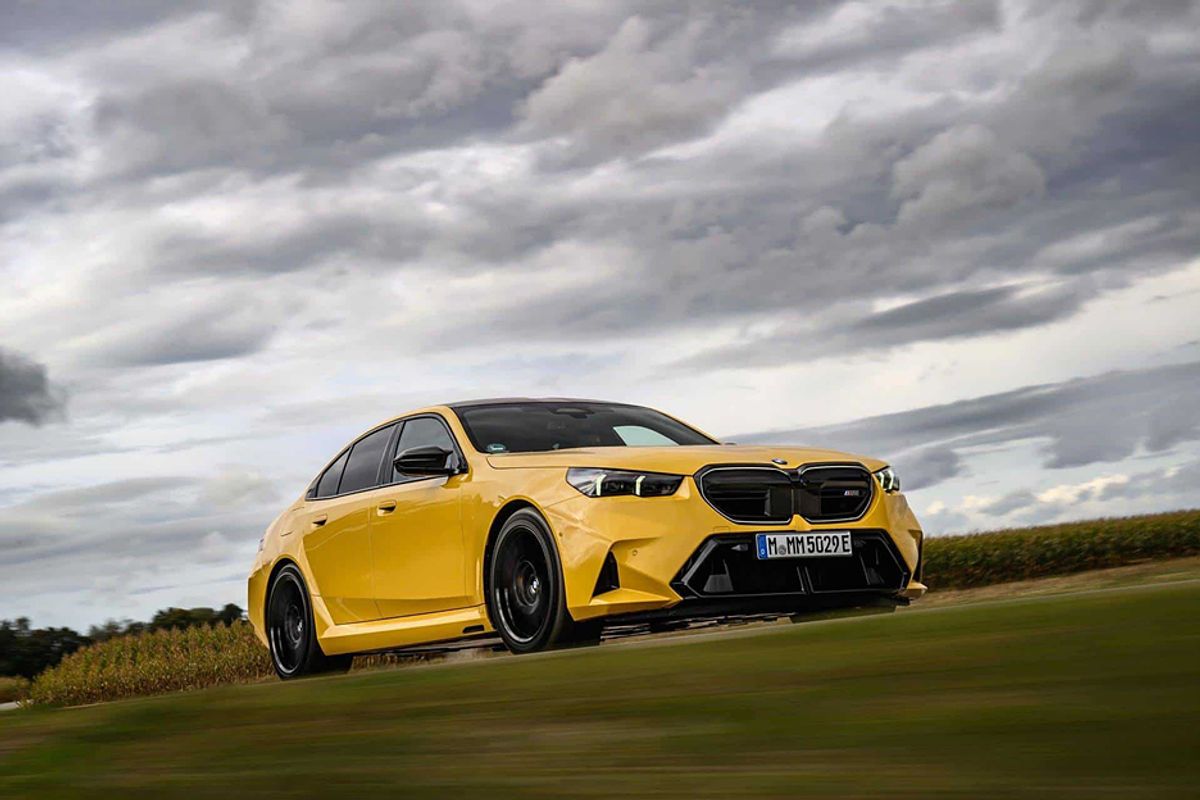
Some overseas media outlets have praised the new M5 for its significantly improved ride comfort, claiming it feels even better than the 5 Series sedan. This raises curiosity about how it compares in terms of design quality and overall presence. It has received accolades for surpassing all previous M5 models in various aspects, making it a unique opportunity to experience what could be the last internal combustion hybrid model from BMW M.
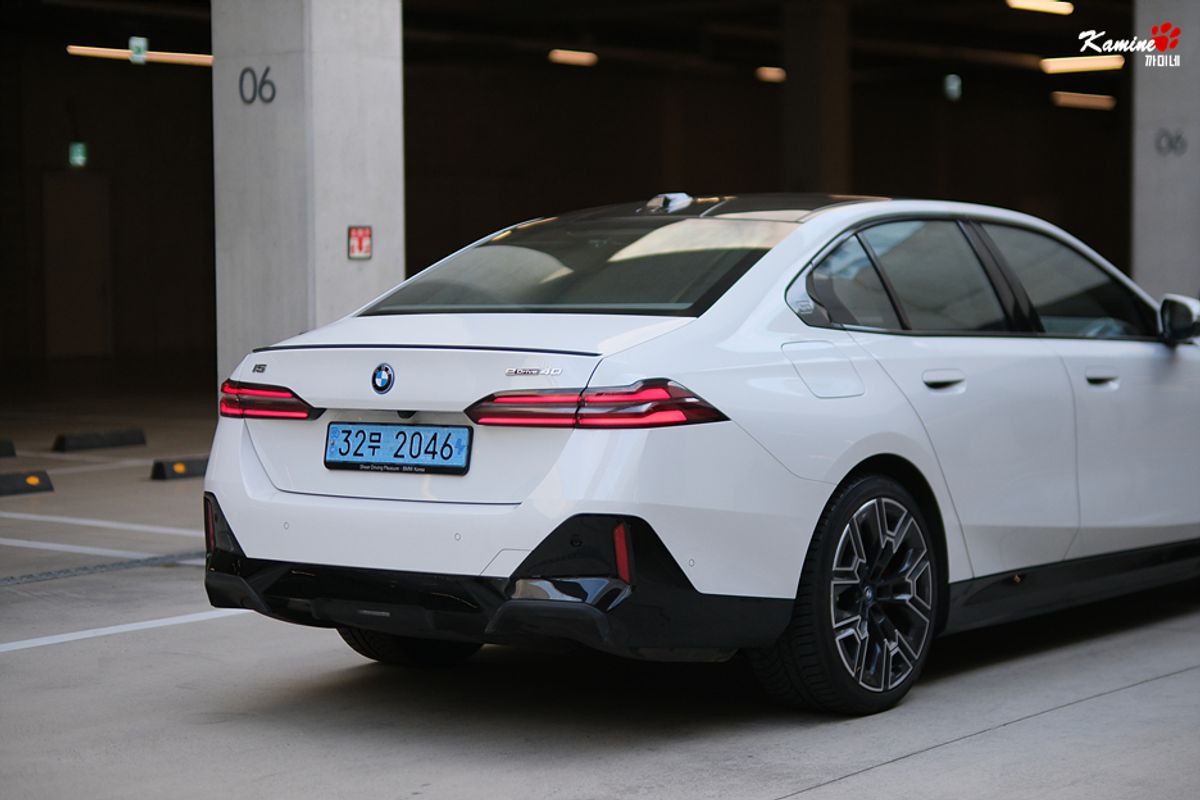
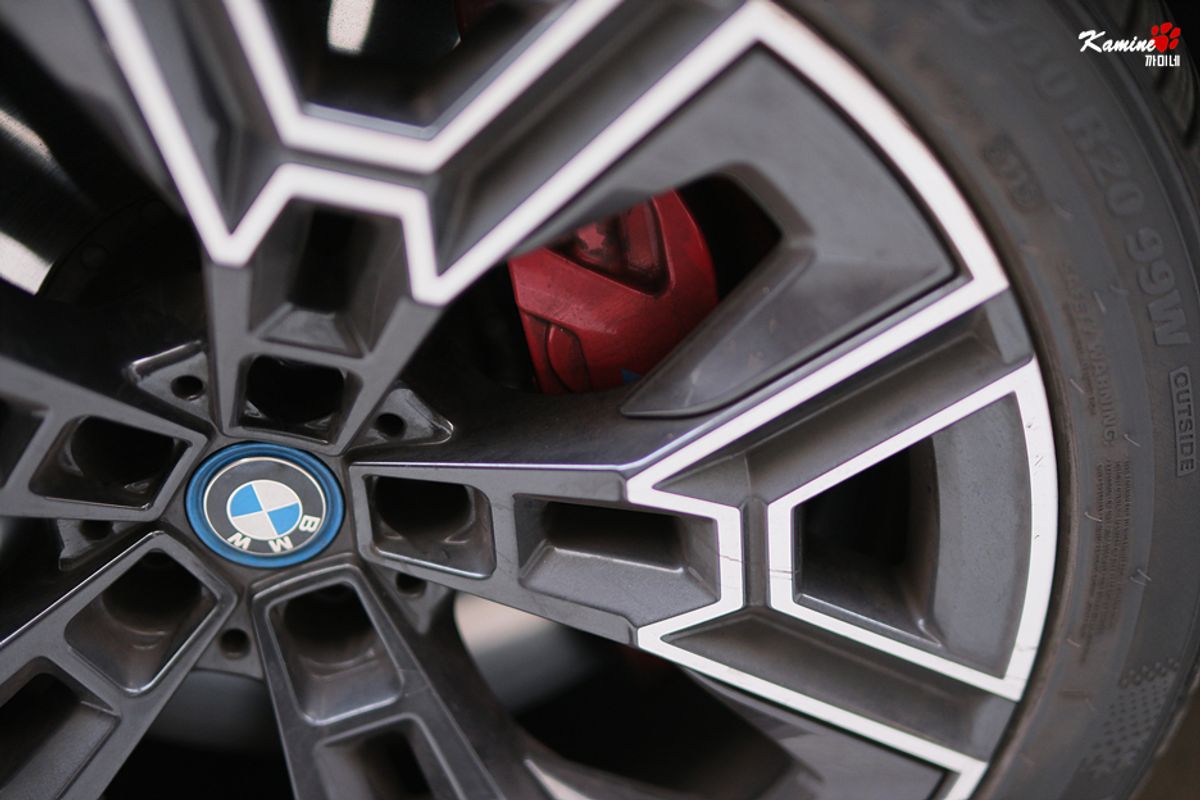
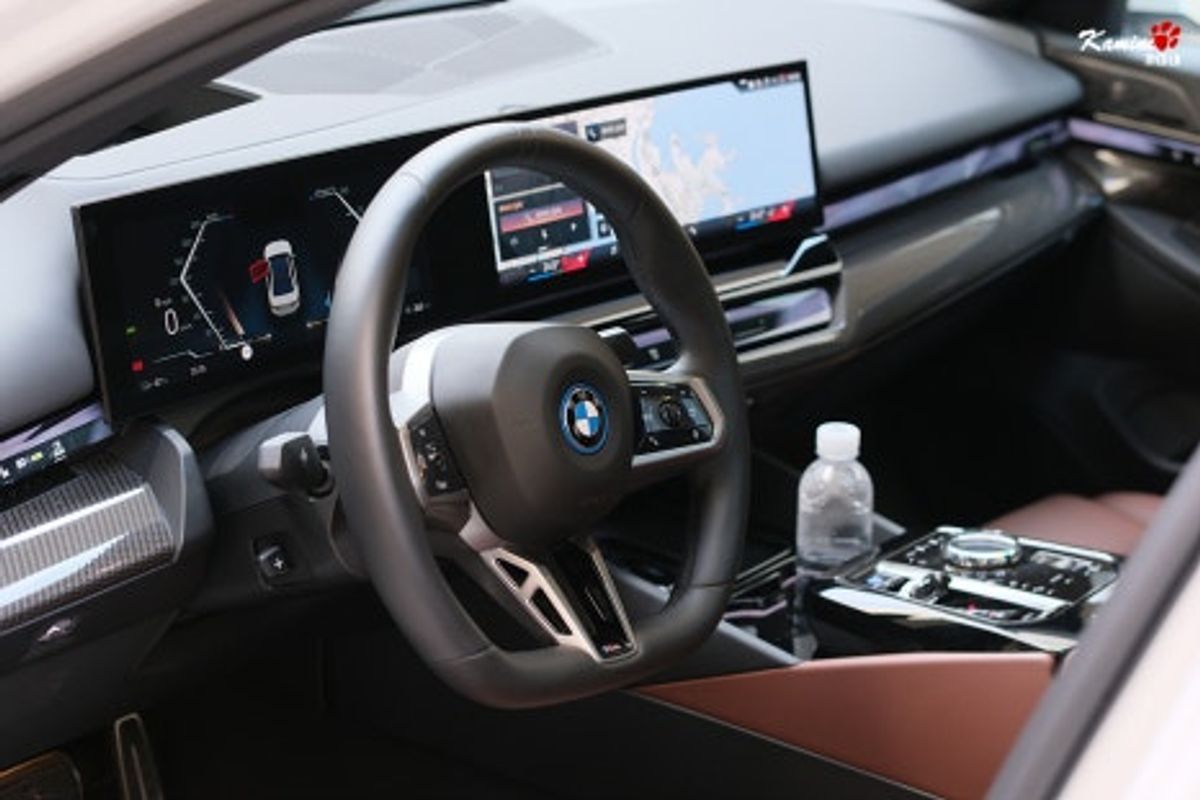
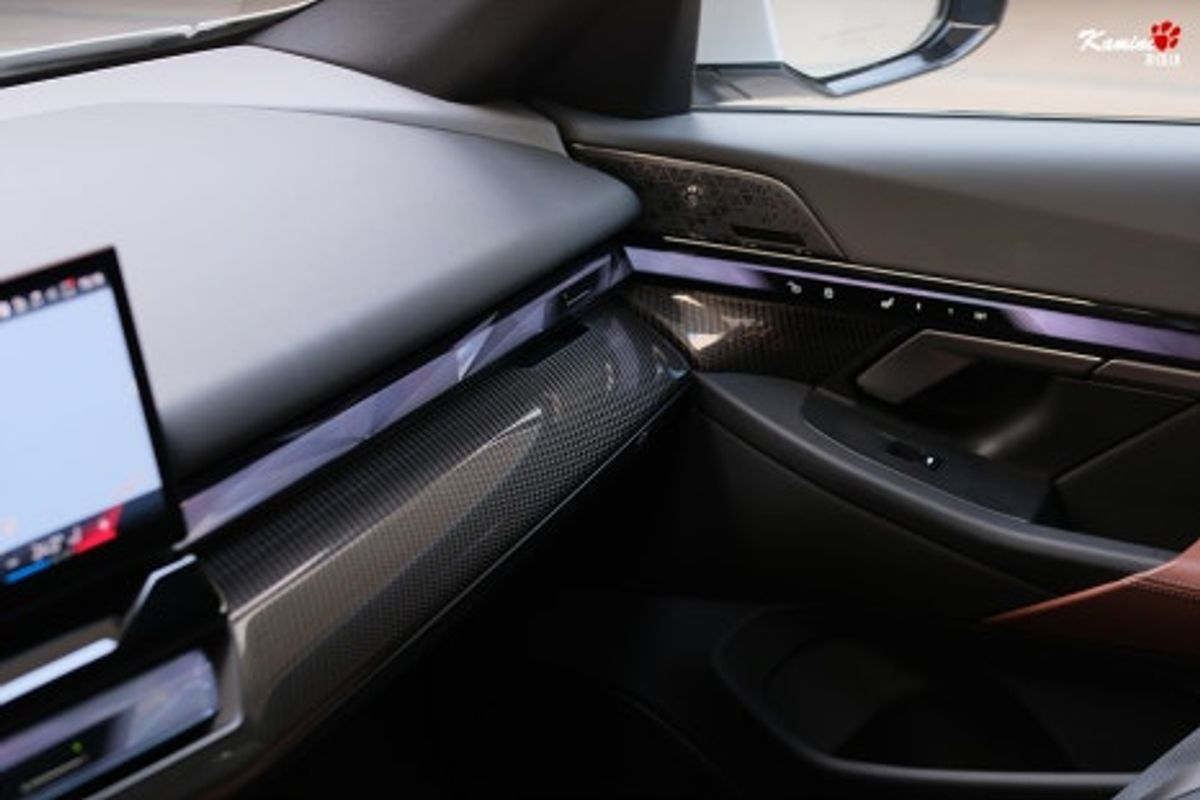
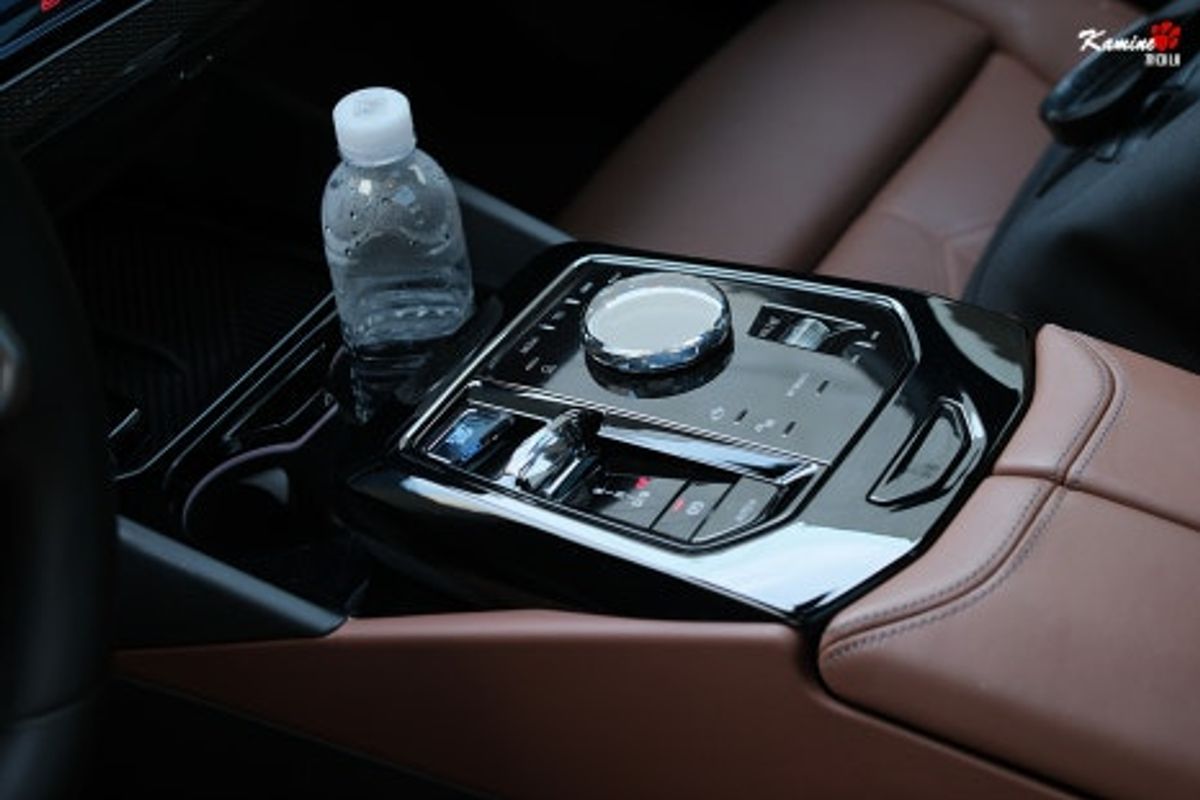
There are many aspects I want to praise, but I've already covered enough in the i5 and 5 Series reviews. Instead, I want to address points that would help those currently considering the BMW 5 Series.
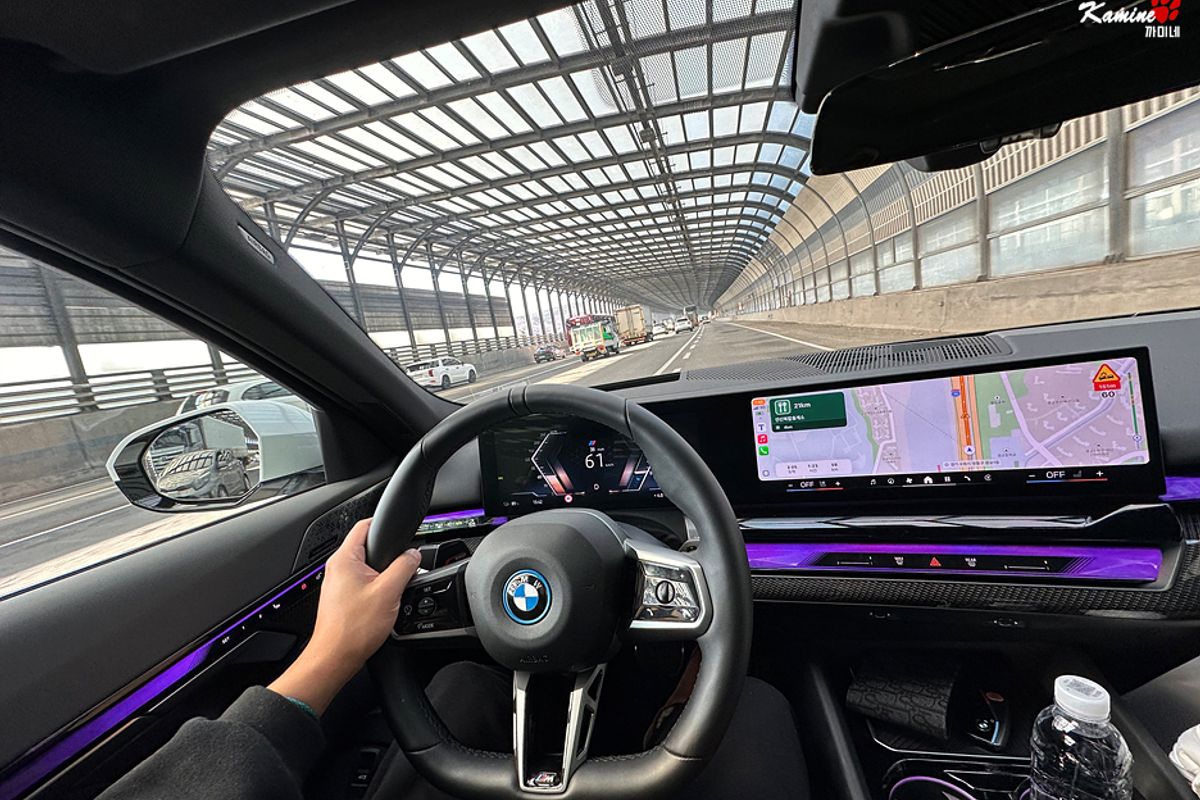
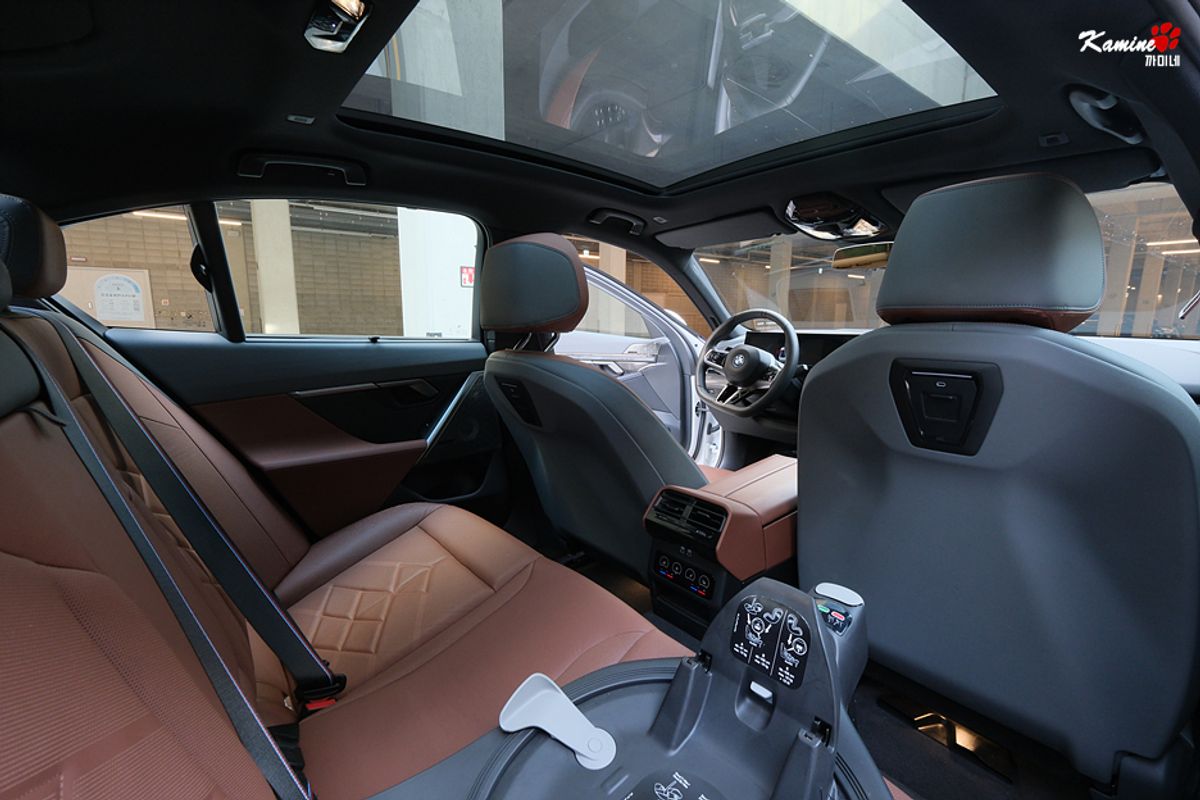
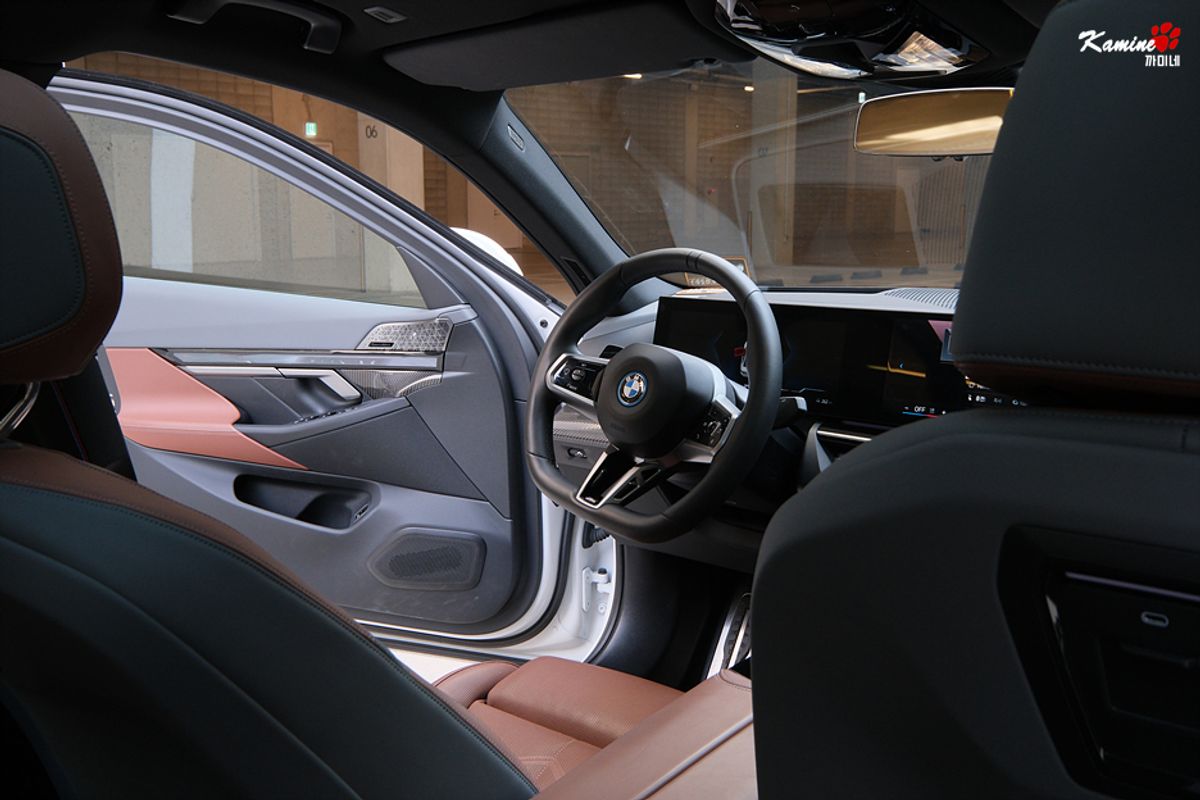
Unlike standard hybrid systems, plug-in hybrid models have larger battery capacities and require frequent charging to utilize EV mode effectively. While you can drive using just the internal combustion engine, it will provide a modest output of around 313 horsepower and a torque of 45.9 kg.m (337 lb-ft), resulting in disappointing fuel efficiency without the electric motor's assistance.
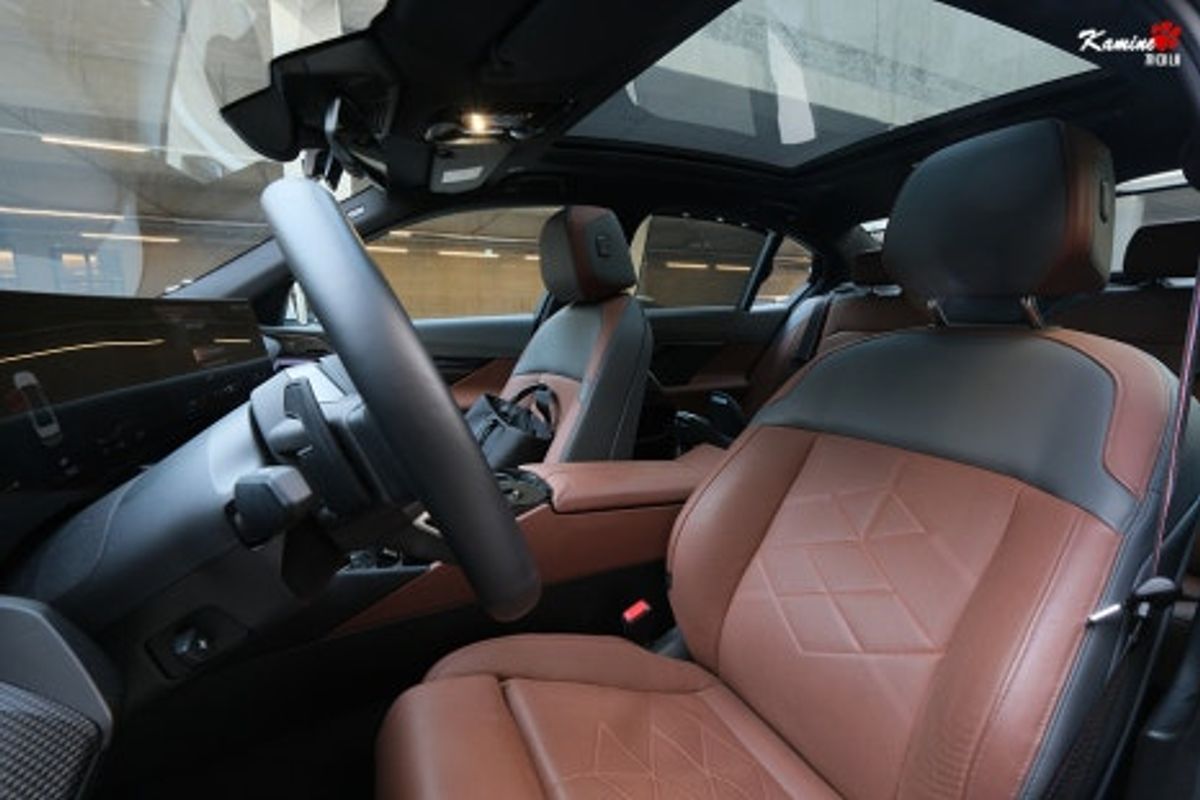
As we swiftly transition into the era of eco-friendly electric vehicles, the tremendous performance of electric motors is rendering the term "high-performance sports car" somewhat obsolete. However, customers who cherish the sound and thrill of a real internal combustion engine and its exhaust note still remain.
That's it for this review!
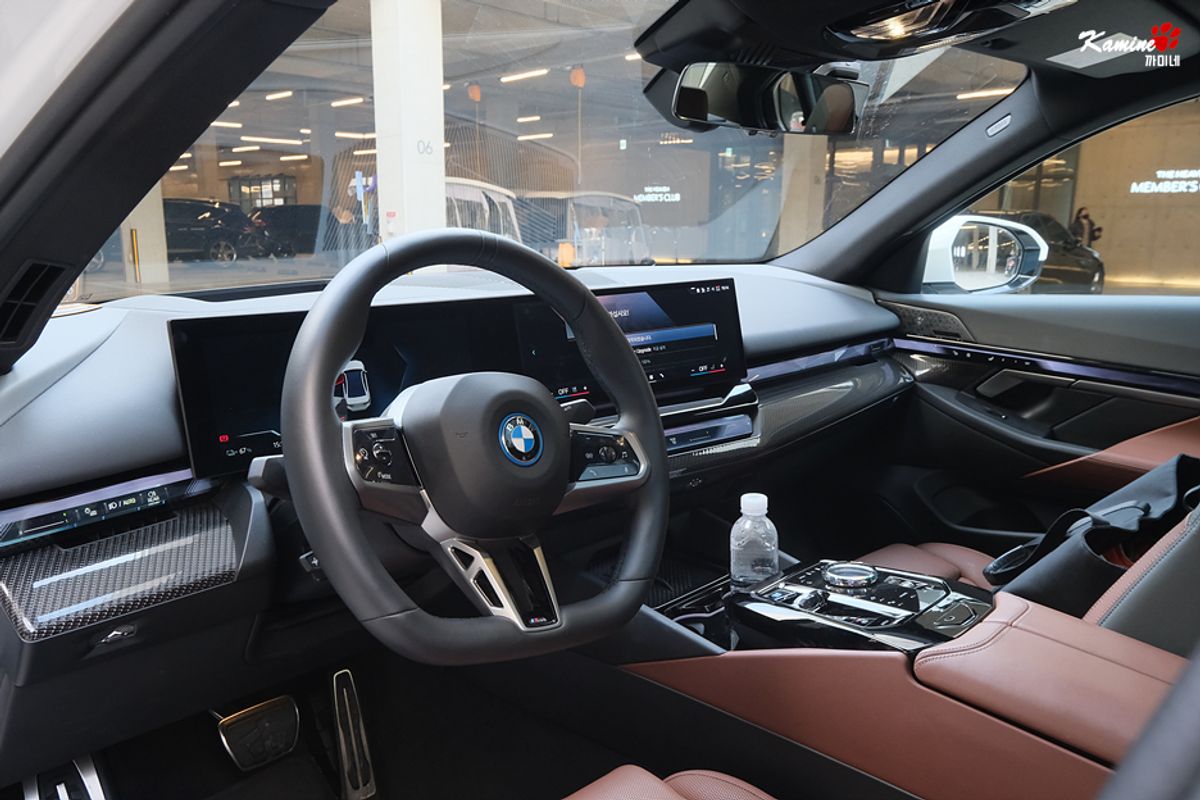
Photo source: Google, BMW Blog