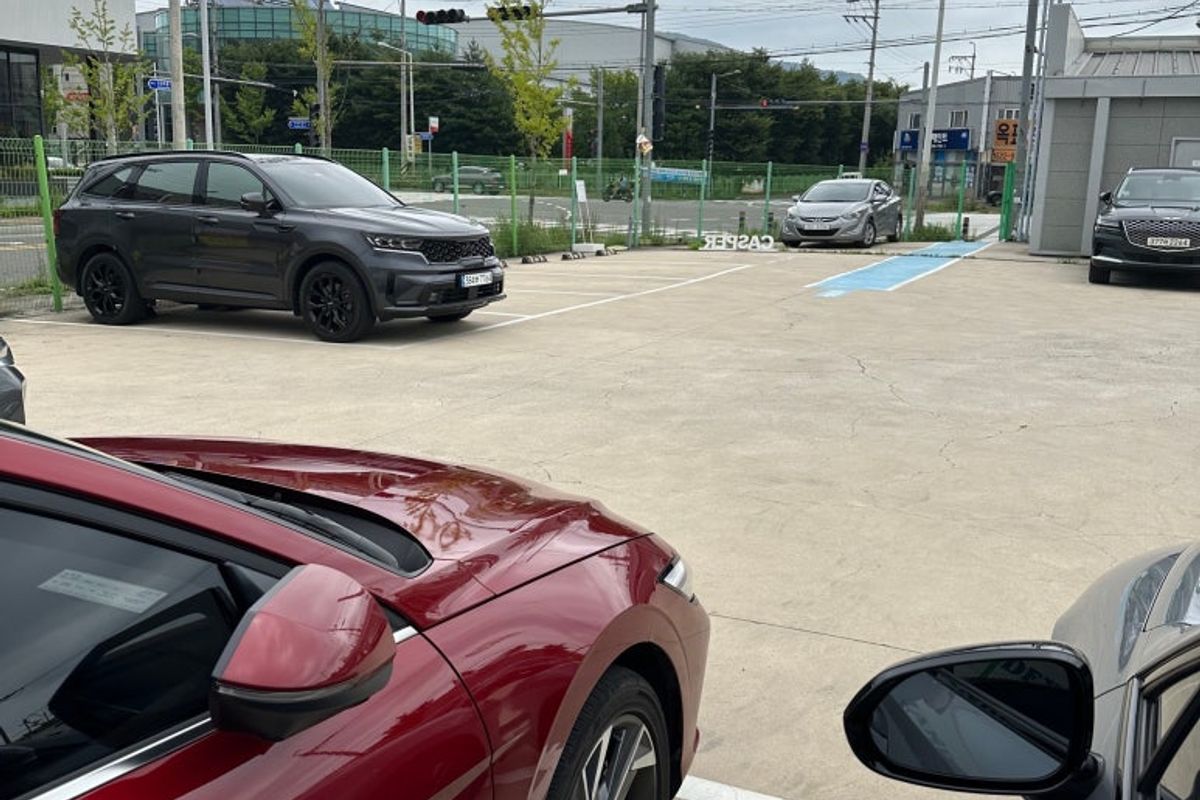
Currently, I am driving a Sorento with a 2.5 turbo engine.
The vehicle features a 2.5 turbo gasoline engine paired with a wet 8-speed DCT transmission and,
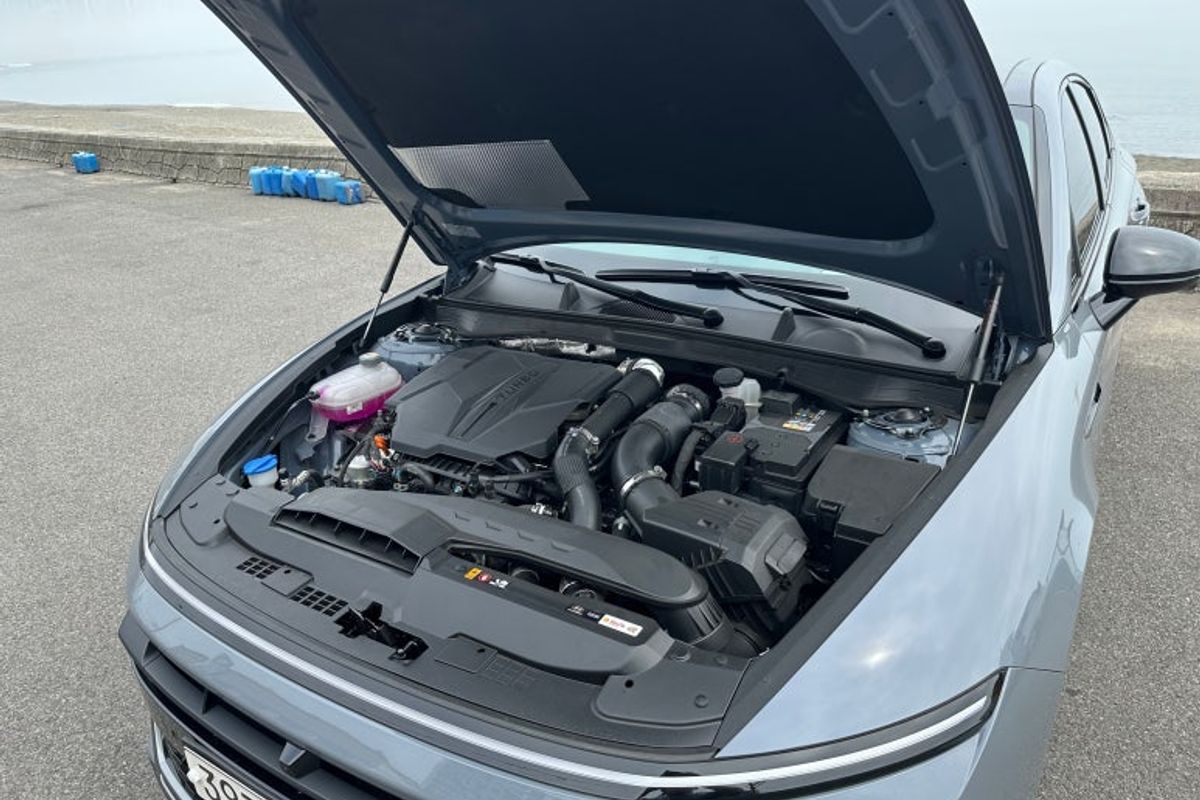
the relatively new Sonata N Line De Edge uses the same powertrain as the Sorento 2.5 turbo, just like before the facelift.
While both vehicles share the same powertrain, the Sonata N Line De Edge
focuses primarily on performance and, being a newer model, likely has different engine and transmission setups.
This piqued my curiosity, so I decided to request a test drive.
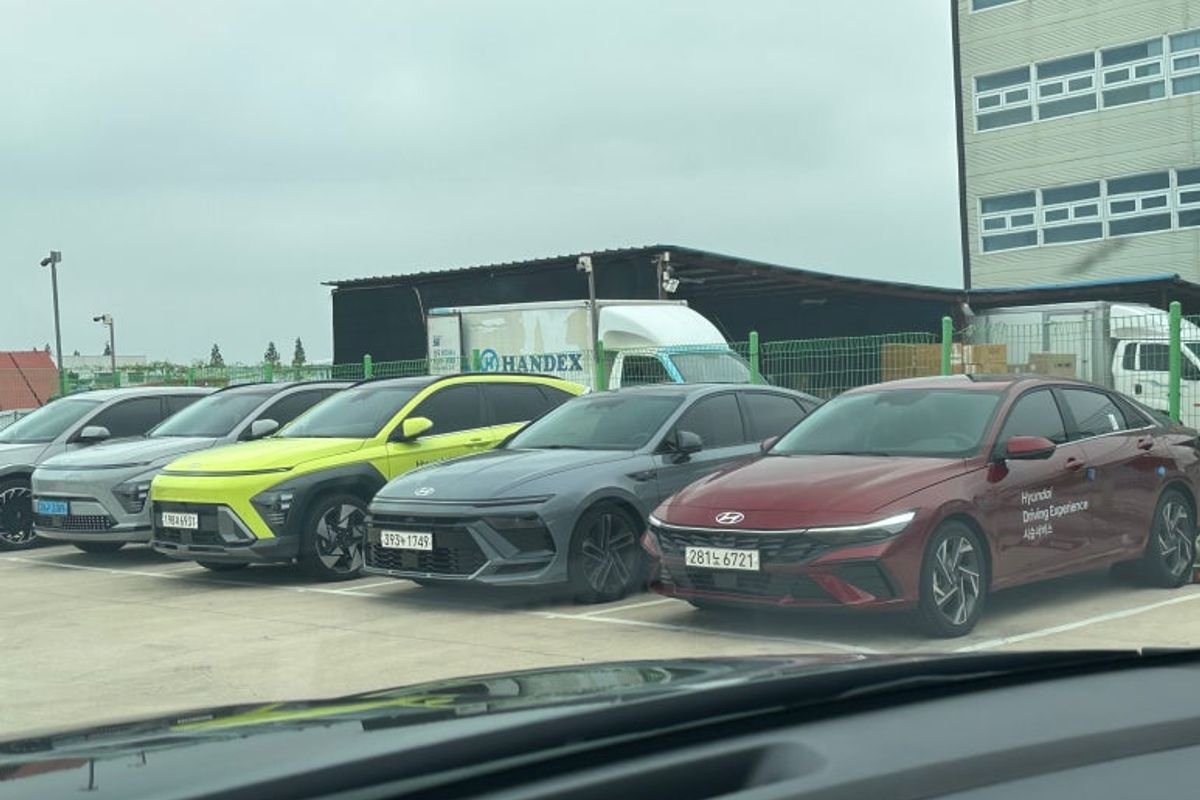

I visited the Hyundai Driving Lounge in Ulsan.
Due to the N Line's characteristics, it appeals to a niche audience, so many car enthusiasts come to test drive the Sonata N Line De Edge.
In a conversation with a staff member at the driving lounge, I learned that... Most people tend to look for more common models like the 1.6 turbo, so having a more performance-oriented vehicle like the 2.5 turbo can be a bit awkward.
They mentioned that only five units of the 2.5 turbo are allocated nationwide.
While I believe that the demand for the 2.5 turbo is similar to that of the Sonata N Line De Edge customers, I think it's necessary to distribute test drive vehicles more widely.
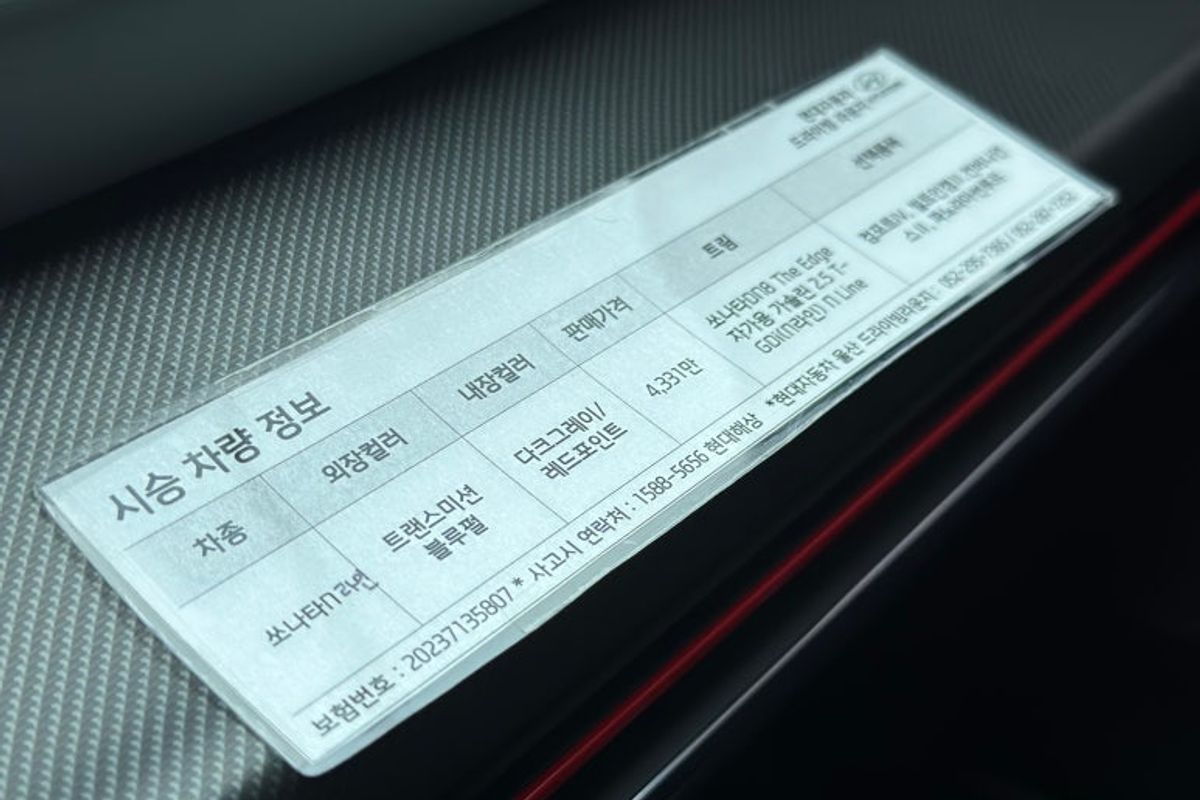
The review of the Hyundai Sonata N Line De Edge
Test drive review
Most of the recently released Hyundai vehicles come with keys that resemble the Hyundai emblem, which seems to divide opinions.
Personally, I find it unique, but Kia's keys look much cleaner.

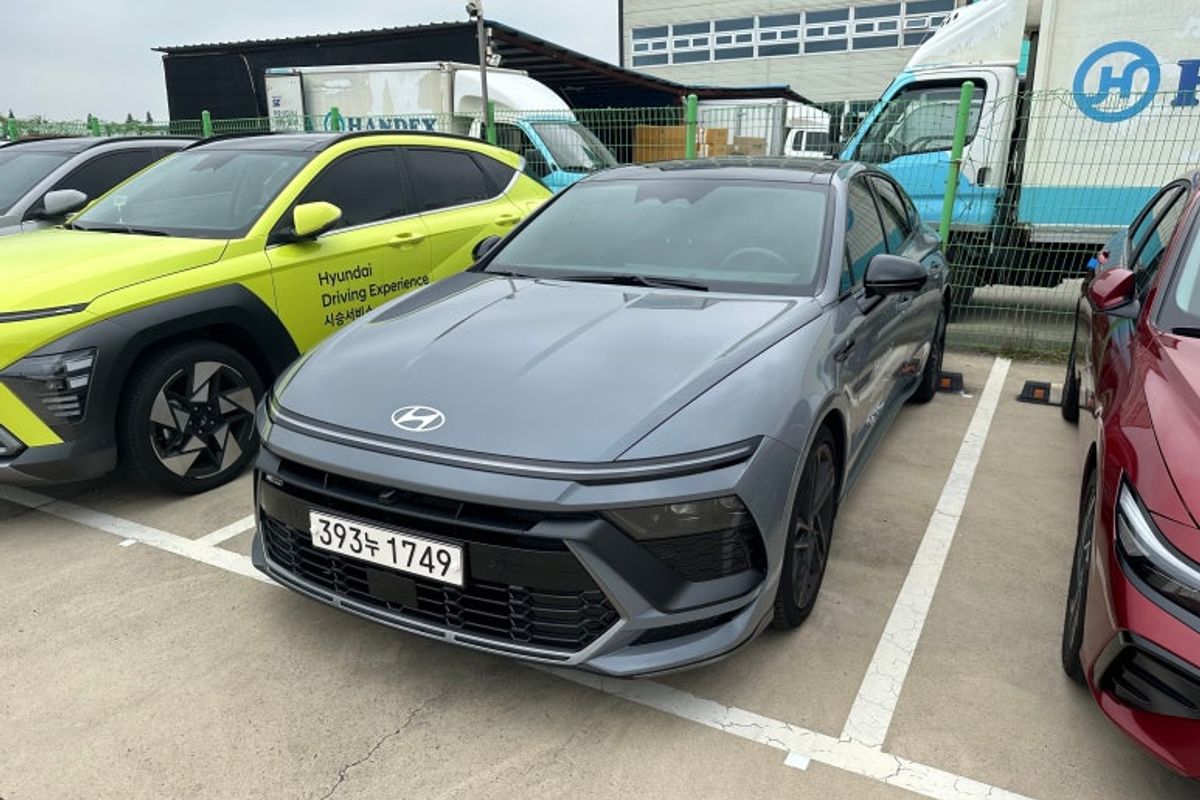
First, looking at the exterior, the design of the new Sonata De Edge is quite impressive.
While the previous DN8 model resembled a catfish, the Sonata N Line De Edgehas transformed into a sleek, robotic appearance.
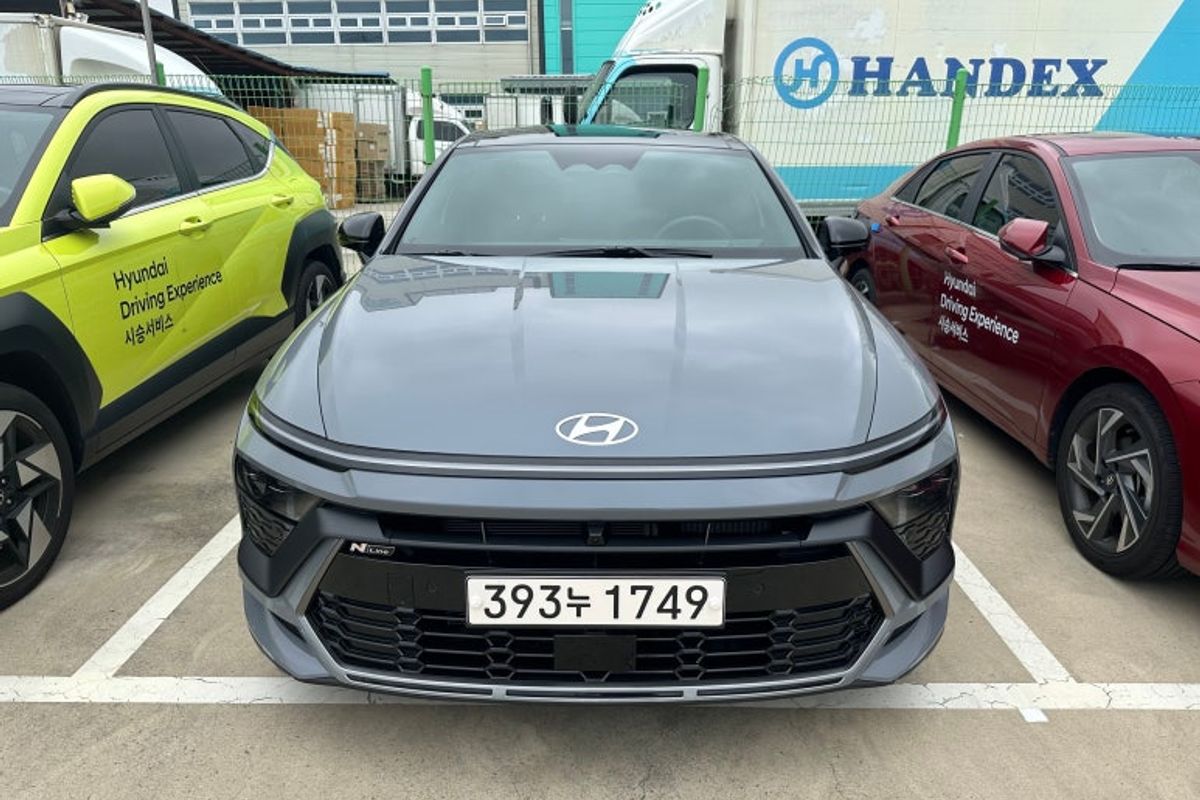
Moreover, the N Line features a sportier design, which aligns perfectly with my taste.
If you don't necessarily want a high-performance model like the 2.5 turbo, you can still choose the N Line with the 1.6 turbo, though there are some design differences, particularly around the exhaust.
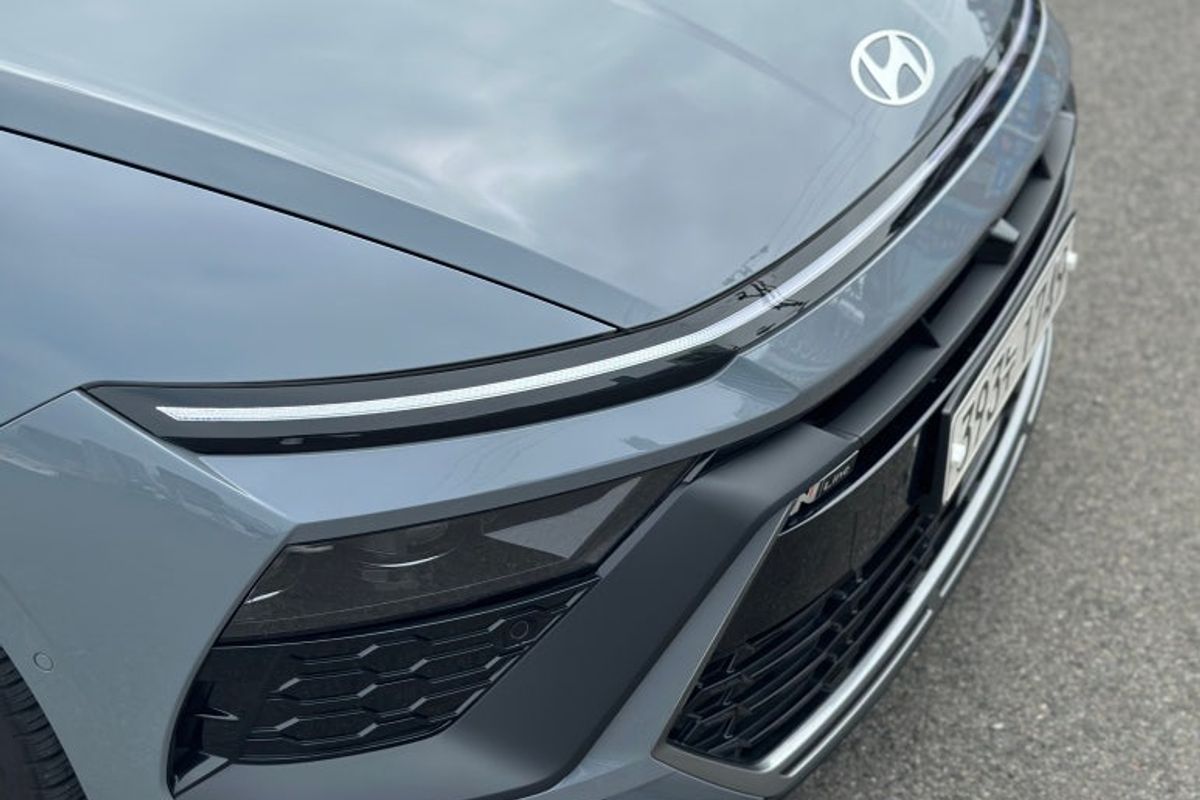
The Sonata N Line De Edge replaces the existing chrome trim with a fully blacked-out finish, giving it a sportier look.
In comparison, the Sorento 2.5 turbo, even in its top-tier Gravity trim, still retains some chrome elements, which is a bit disappointing; this is something that could improve.
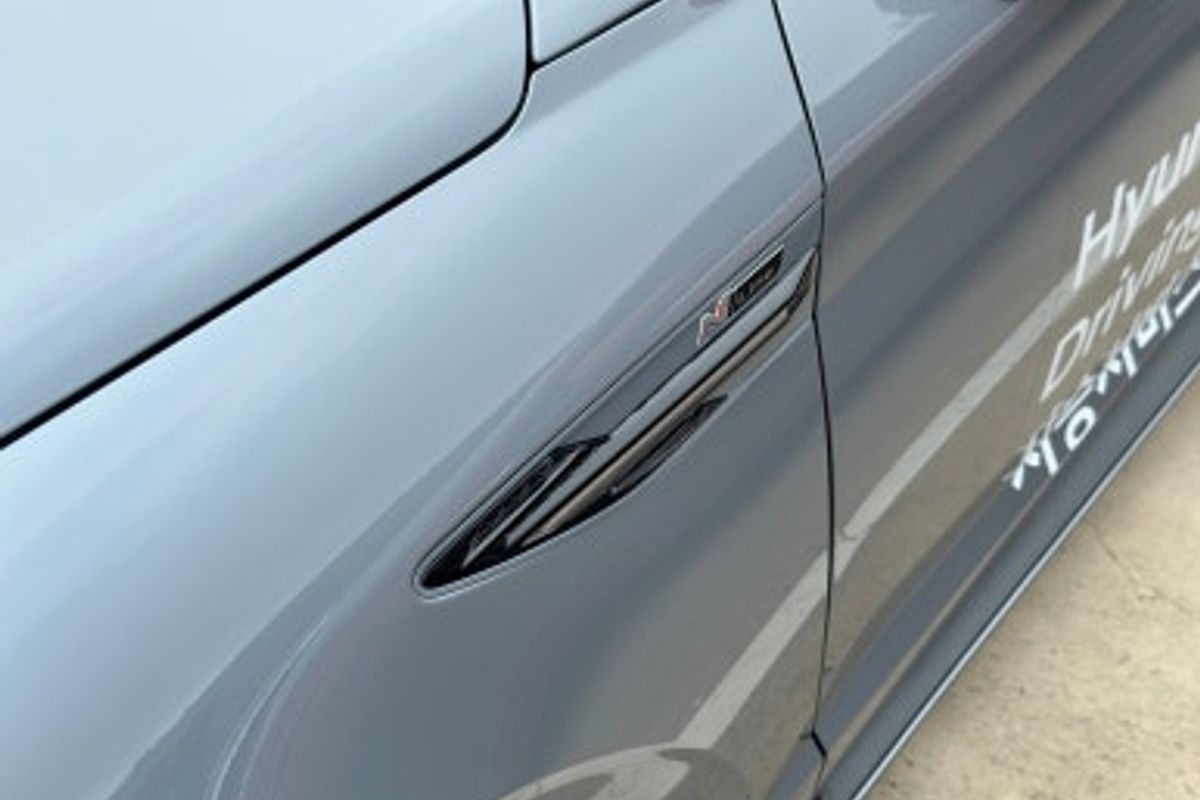
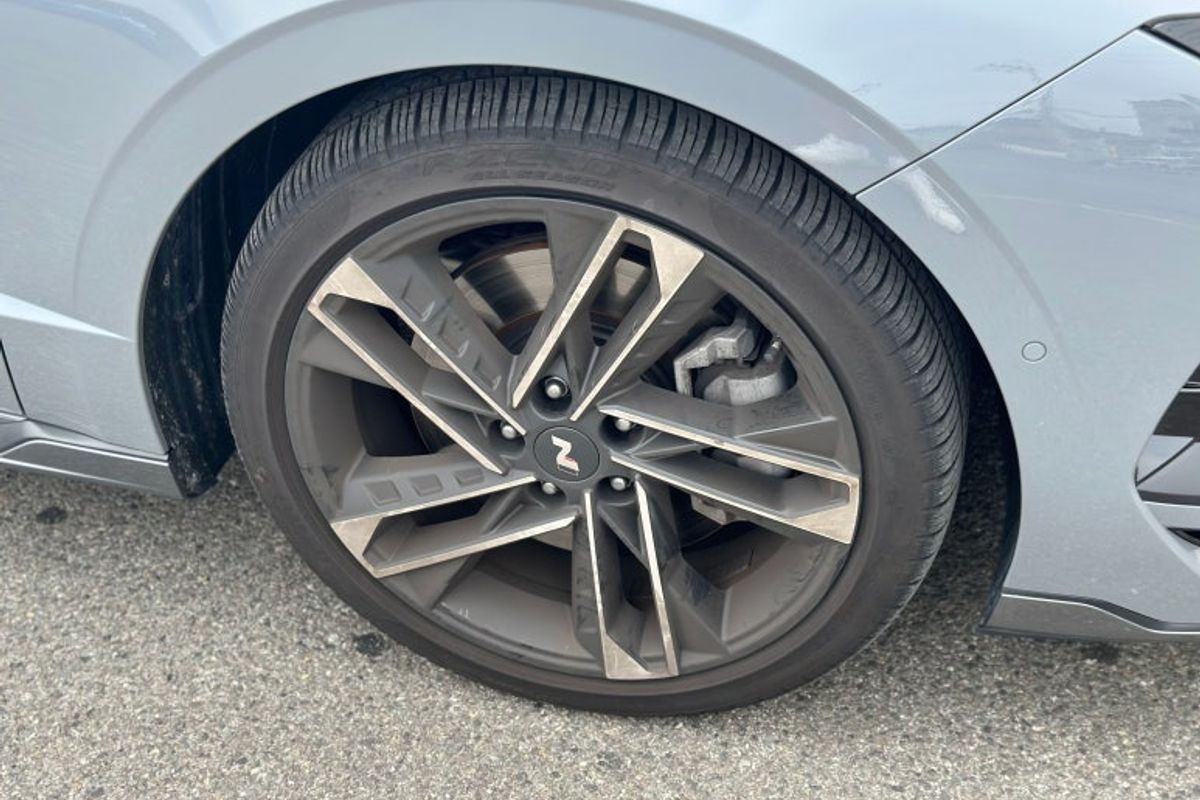
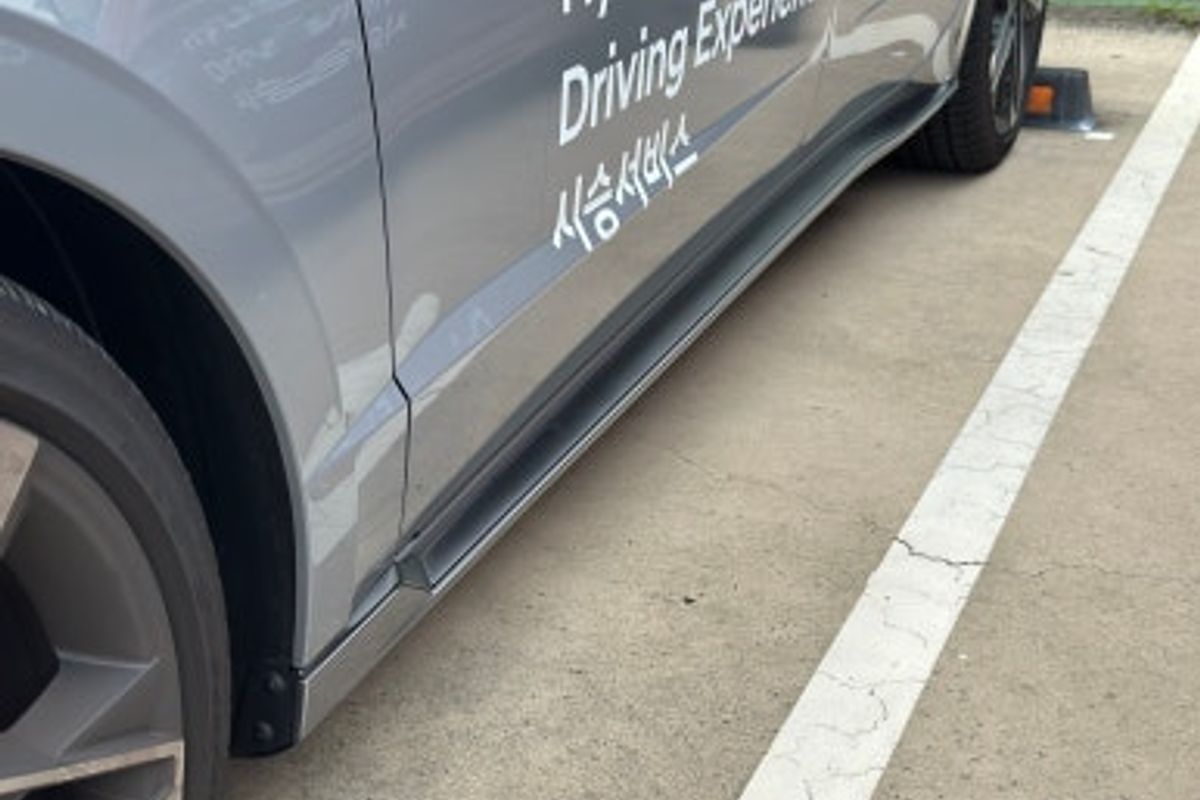 The stock brakes performed adequately, but I didn't feel the need to spend an additional 1.96 million KRW (approximately 1,500 USD) for the monoblock brakes and 19-inch black lightweight wheels.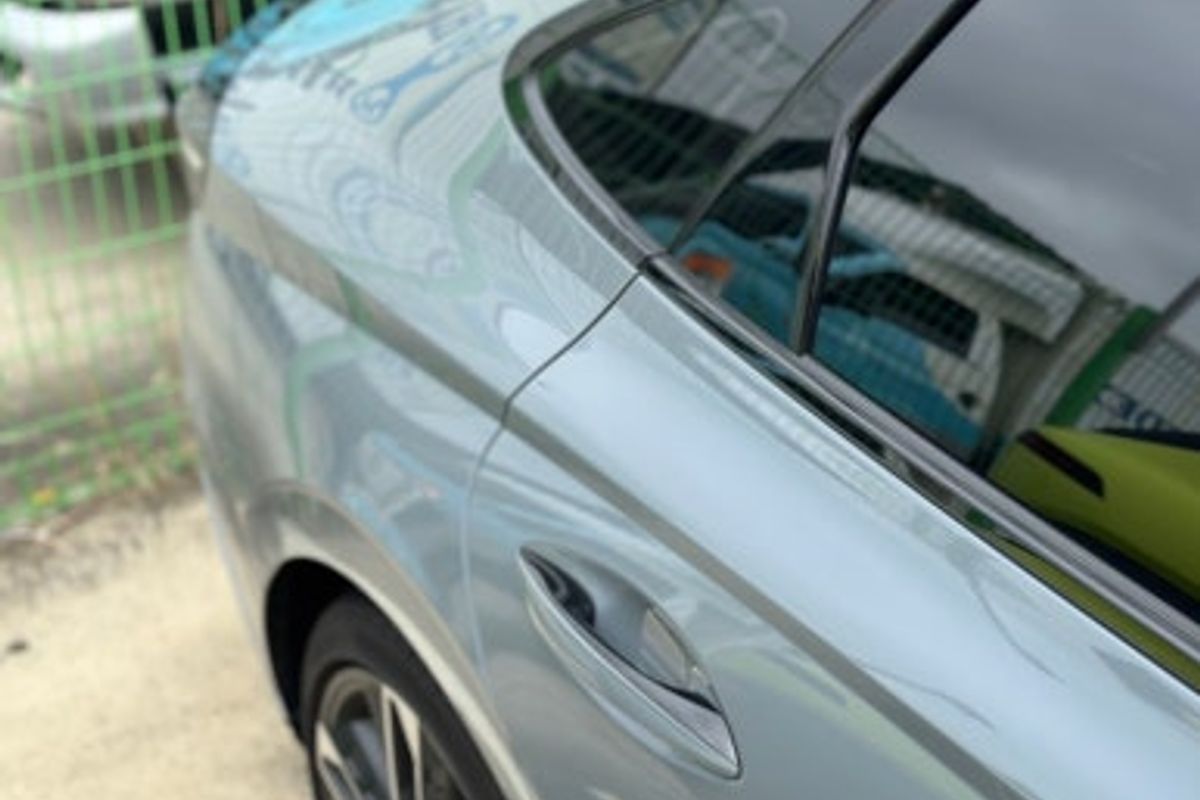
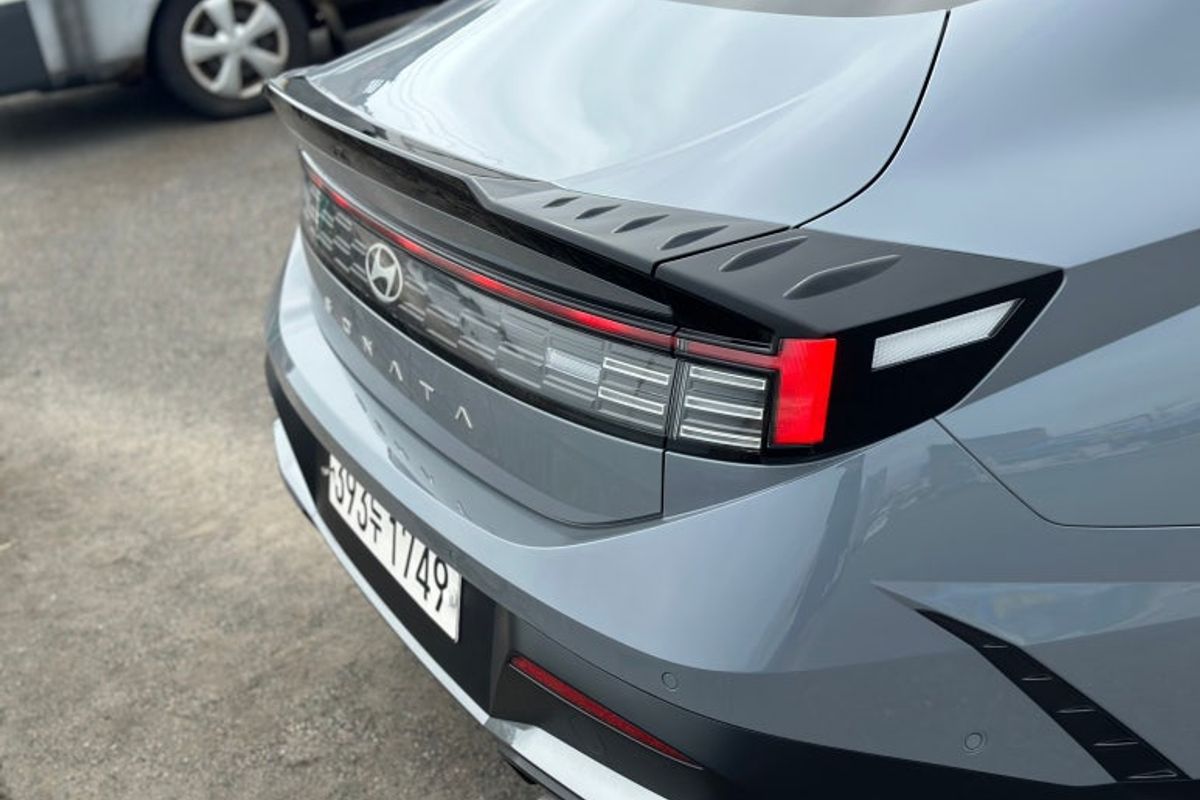
The rear design resembles something out of Robocop.
The front has changed so dramatically that it's hard to see the resemblance to the previous Sonata DN8 model, while the rear still retains a hint of the old generation's look.
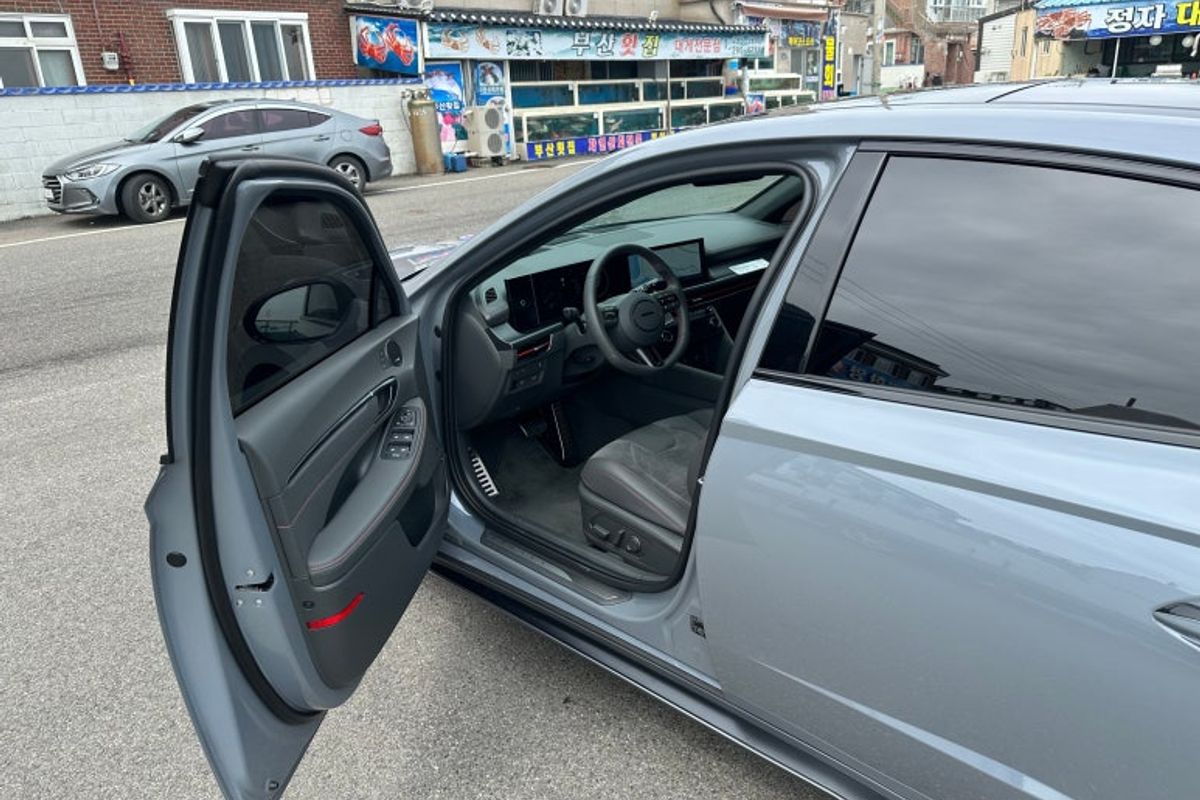
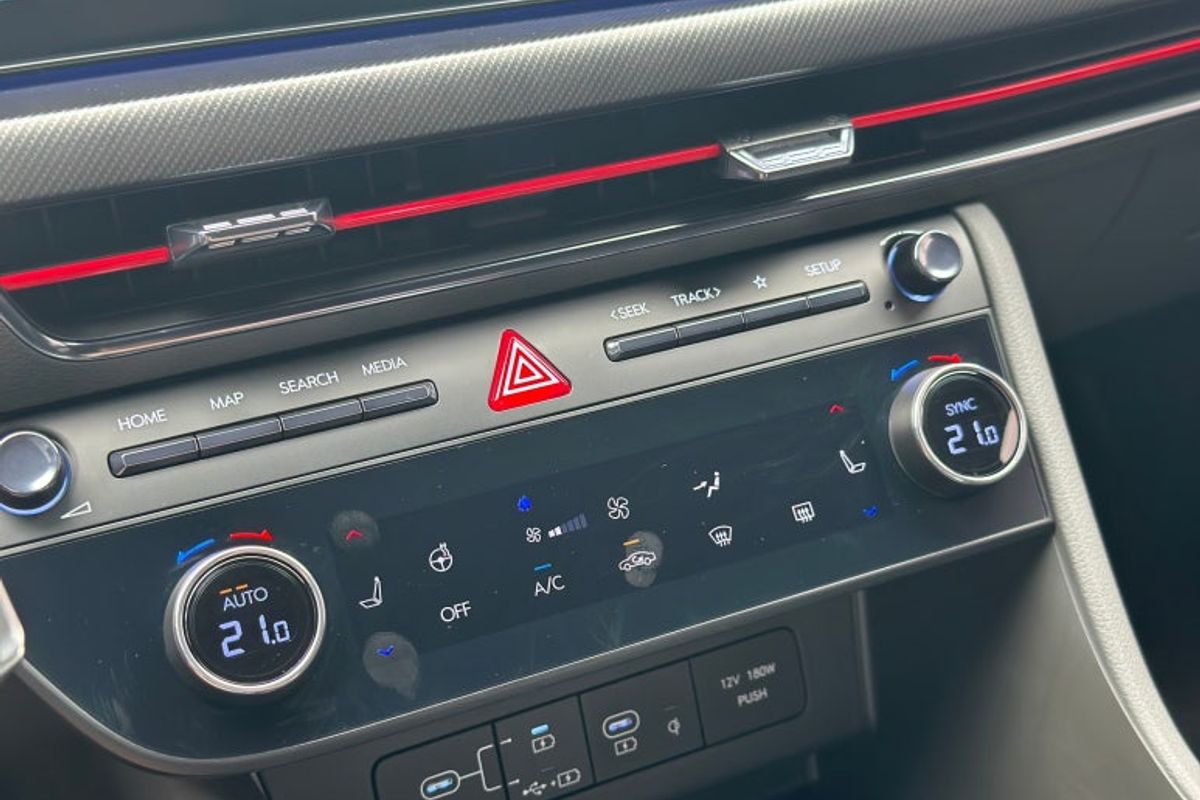
Inside, the N Line features red accents throughout the cabin.
The accents are not overdone; they strike a good balance, making the interior very attractive.
The black interior gives a clean and sophisticated image.
My own vehicle has black seats, but the headlining is beige, making me consider changing it.
However, the parts alone would cost over 1 million KRW (approximately 750 USD), so I gave up on that idea.
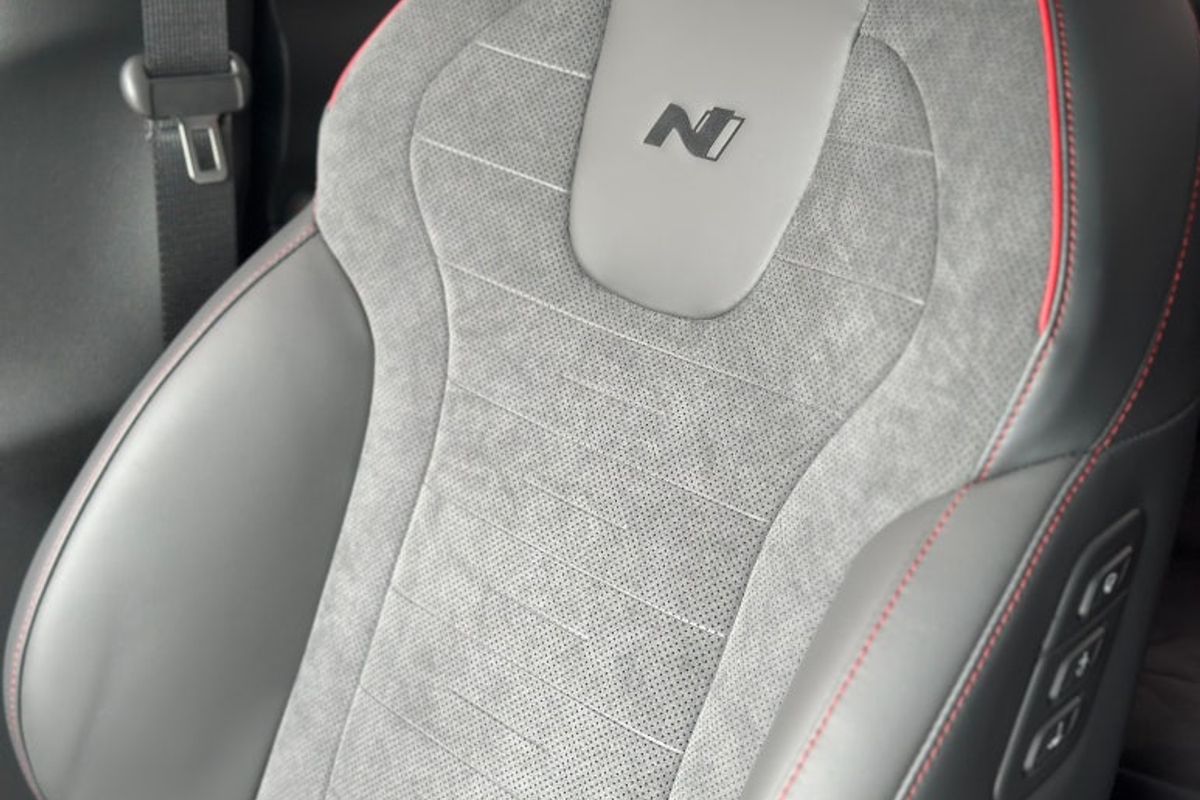
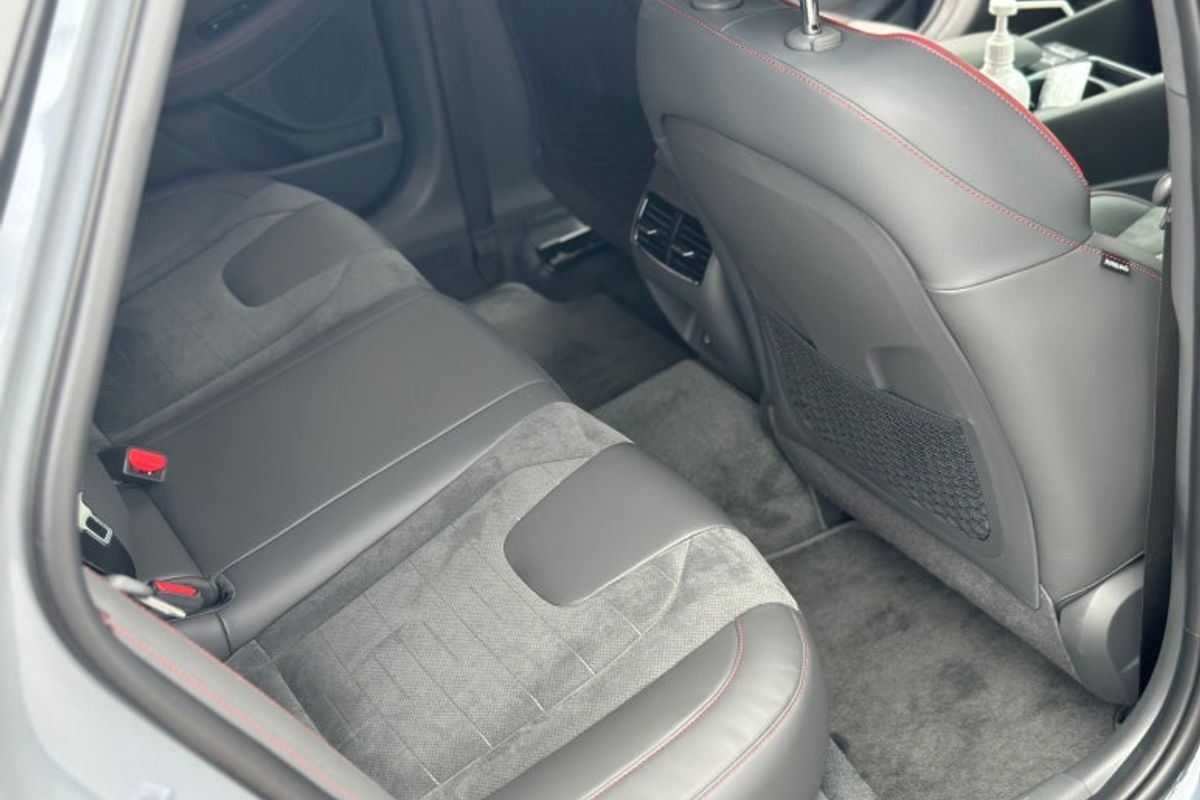
I really liked the N Line seats.
 I didn't experience any slouching while driving.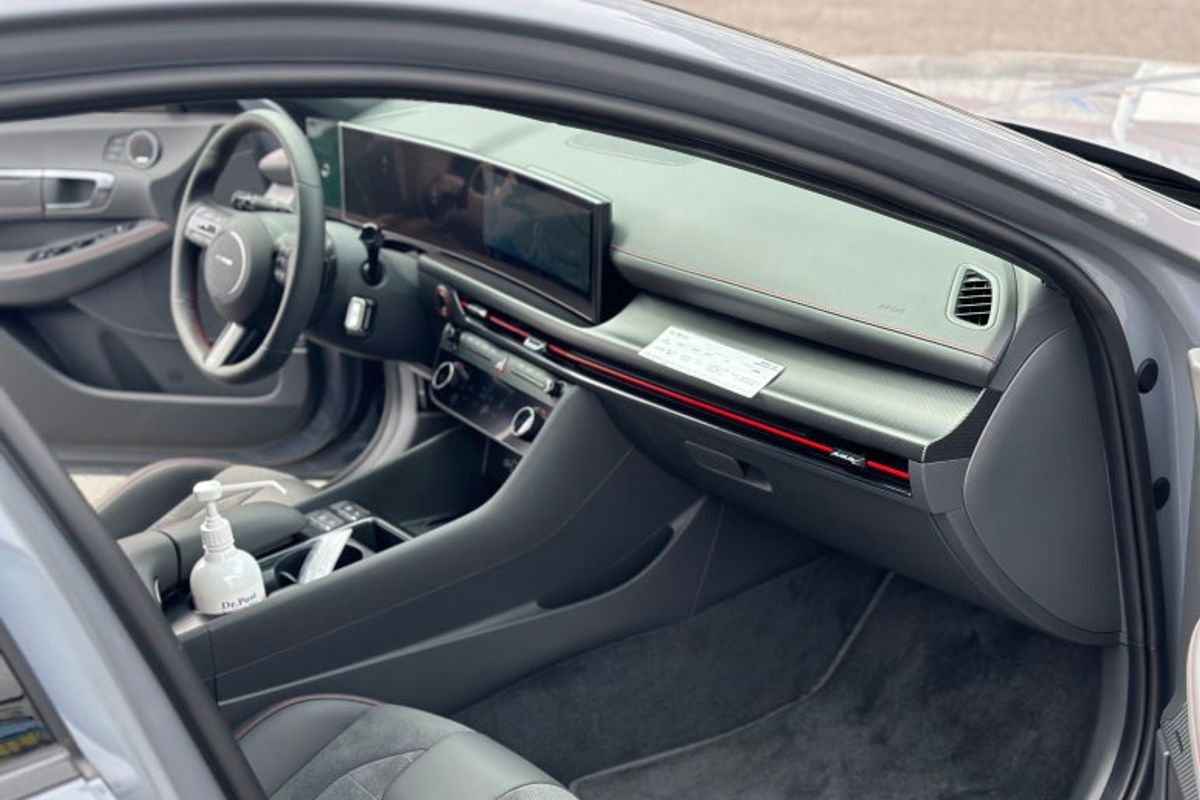
This might be a matter of personal preference.
Personally, I find materials like suede or Alcantara to feel hot, so I tend to avoid them.
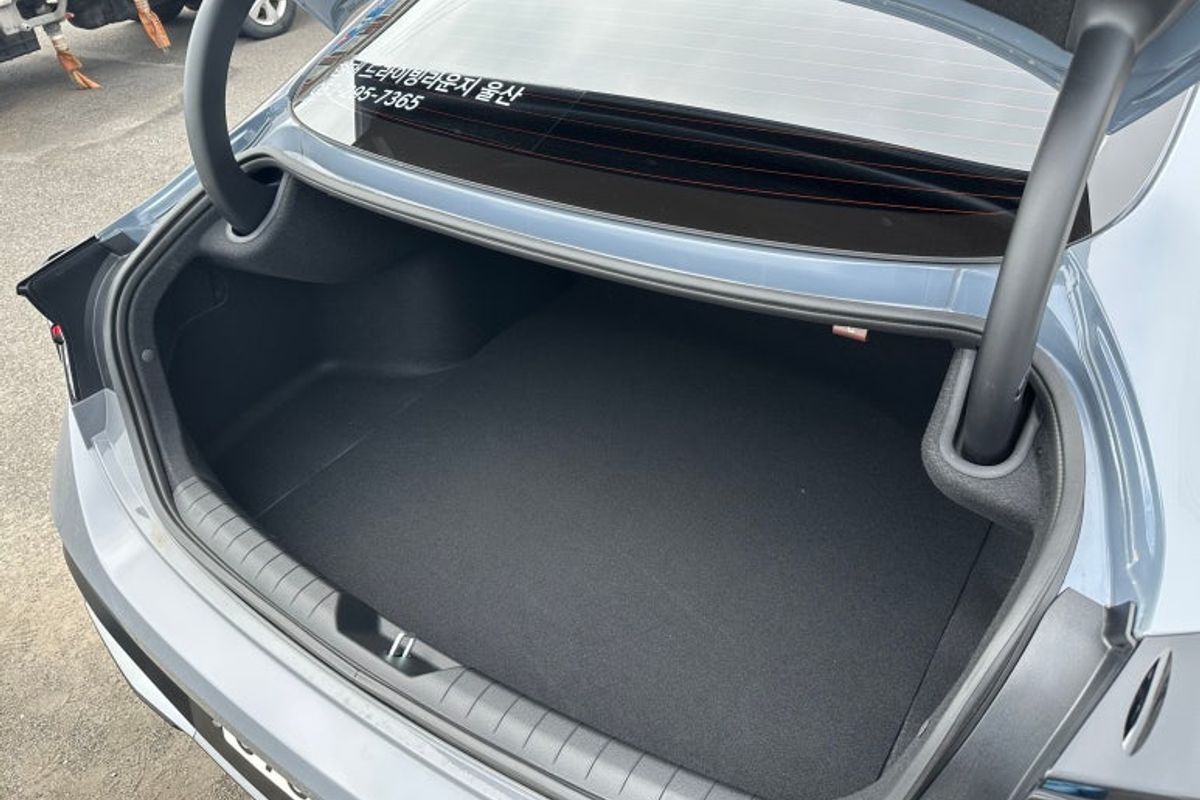
The trunk is spacious, as expected from a mid-size sedan.
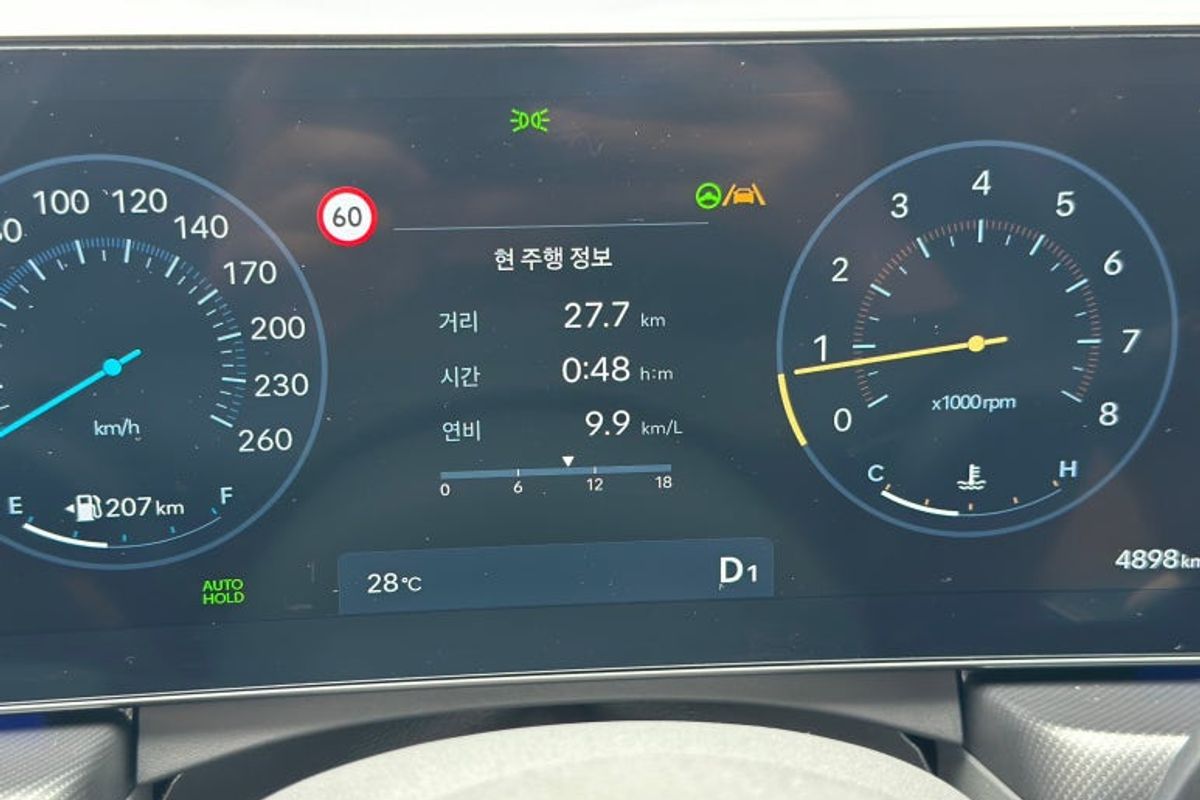
Now, let me share my thoughts after driving the Sonata N Line De Edge for about 30 km (approximately 18.6 miles) for about an hour.
The Sonata N Line De Edge boasts 290 horsepower and 43 torque, while my current Sorento MQ4 2.5 turbo has 281 horsepower and 43 torque.
Both powertrains have the same torque, but the Sonata has about 9 more horsepower.
The difference of 9 horsepower is barely noticeable.
The Sonata N Line offers driving modes: Eco, Normal, Sport, and My Drive.
 The Eco mode in the Sonata N Line is equivalent to the Eco mode in the Sorento, while Normal and Sport modes correspond directly.
Of course, if you were to drag race, the Sonata N Line would likely come out ahead, but in regular road conditions, the difference feels negligible.
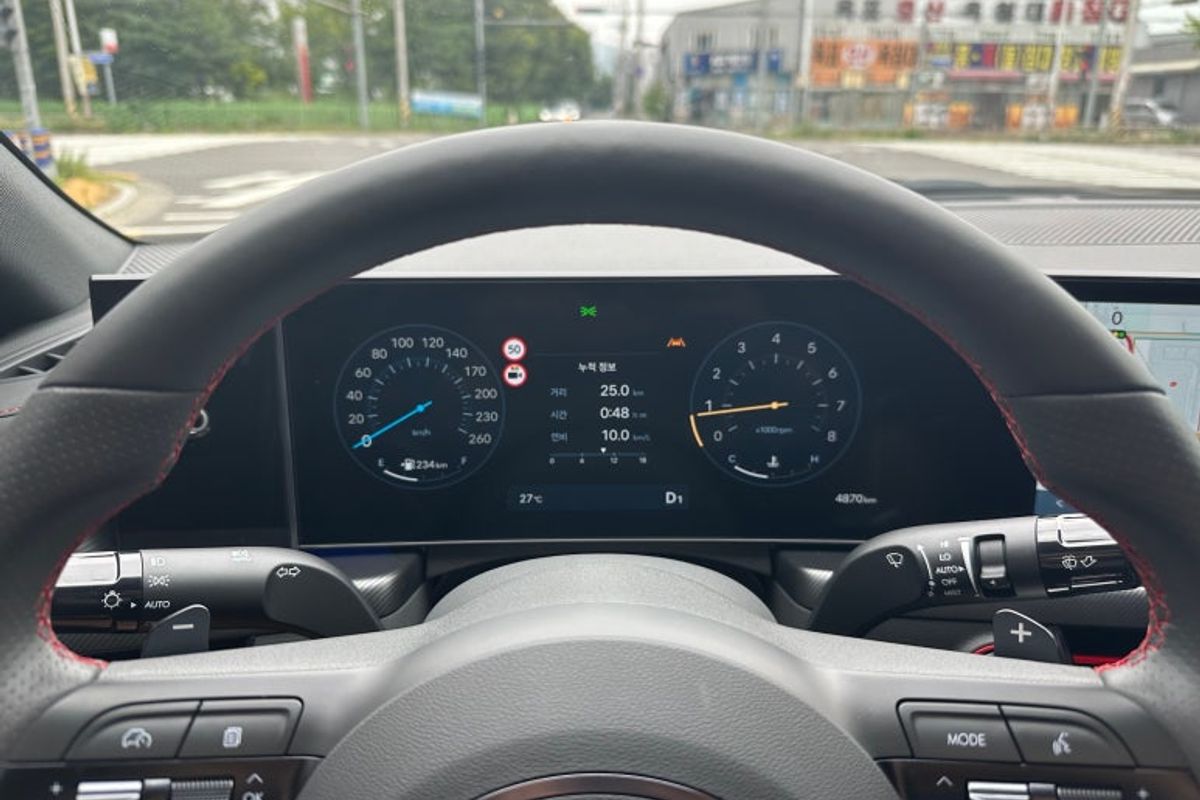
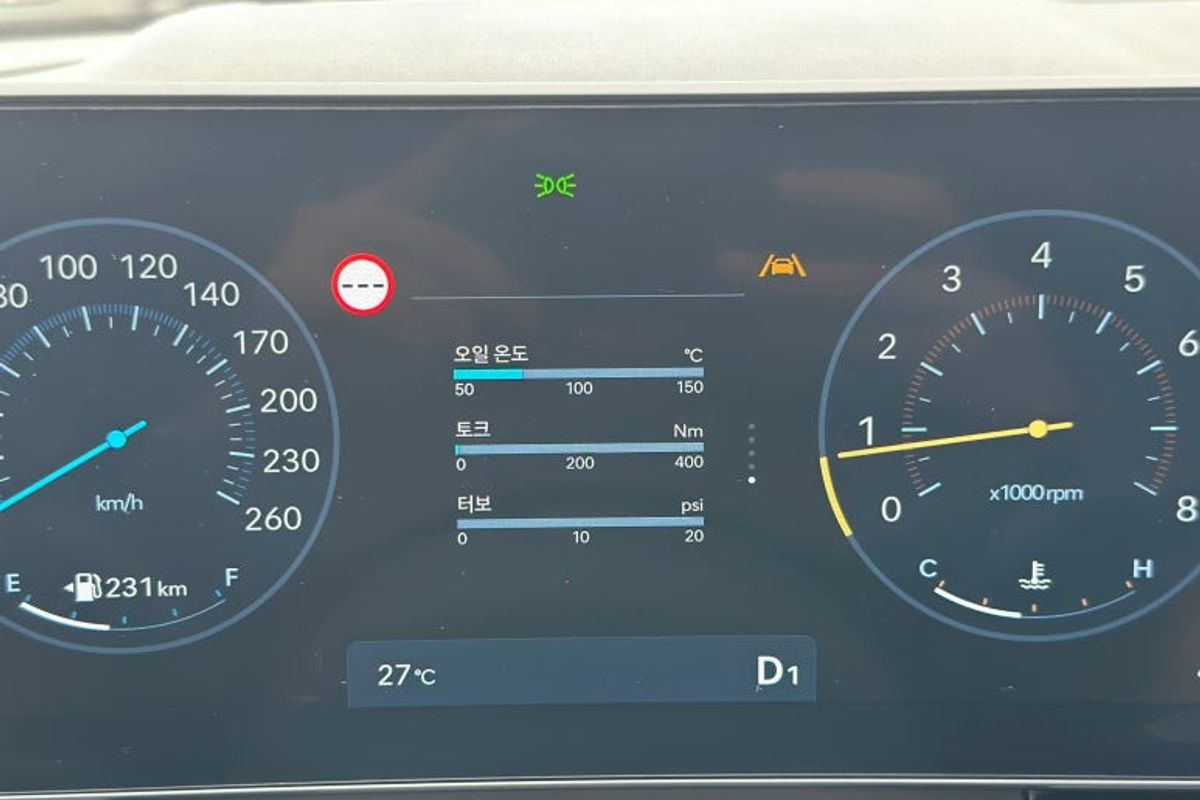
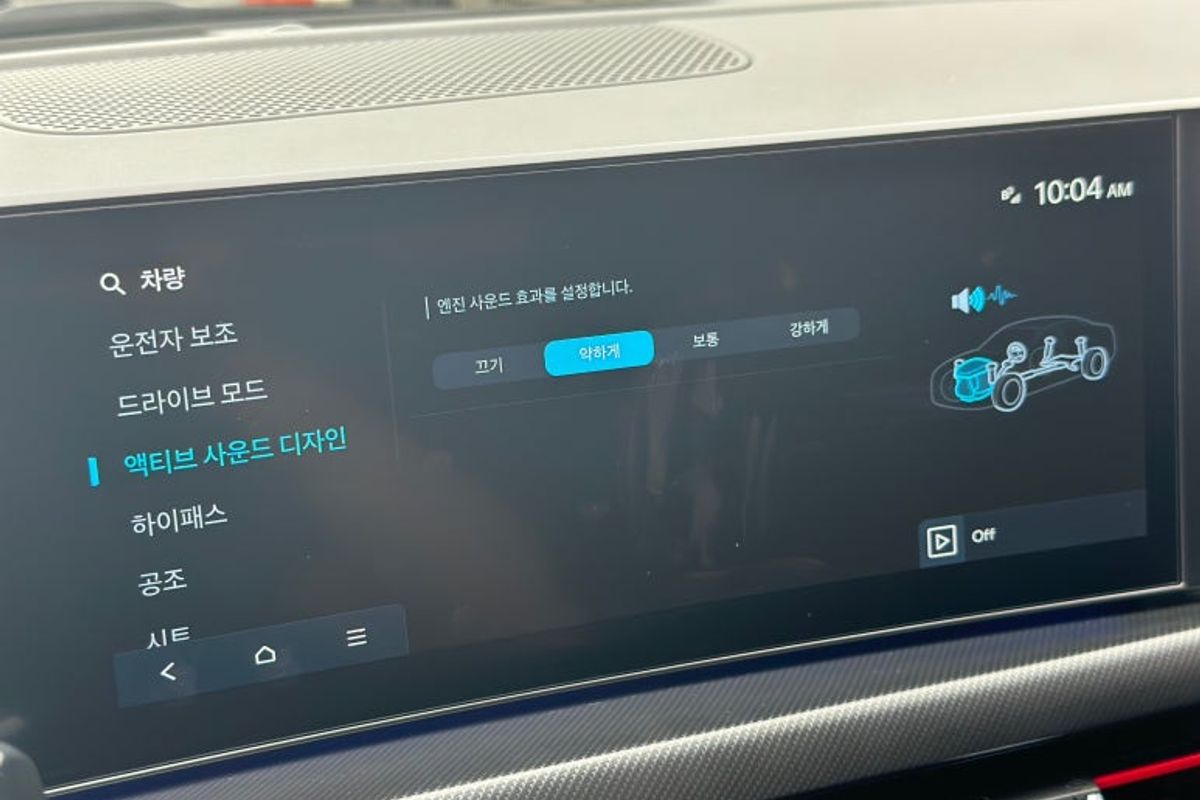
However, the Sonata N Line De Edge is designed for performance, featuring a monitor display that shows oil temperature, torque, and turbo pressure.
When I started the car, I noticed a distinct exhaust sound (even with the windows closed).
The most impressive aspect of the Sonata N Line De Edge was its chassis setup.
Unlike the Sorento, the Sonata is a sedan with a lower body, which significantly reduces body roll during high-speed driving, providing a sense of stability.
Additionally, the firm chassis setup ensures a comfortable ride over small bumps without feeling uneasy.
Of course, I didn't feel 100% satisfied; the Sonata N Line could use a bit more responsiveness when steering at high speeds.
Moreover, the Sonata N Line De Edge demonstrates excellent interior quietness compared to the Sorento MQ4.
While my vehicle's trim is lower and lacks features like double-glazed windows, I noticed that the Sonata reduces road noise significantly and has effective soundproofing against wind noise.
This aspect greatly influences the passengers, making me quite envious.
Does soundproofing for the chassis help?;;
If I get the chance, I would like to try the fully loaded Sorento 2.5 turbo.
Honestly, I don't think I can overlook the price difference.
 On the other hand, the Sorento gasoline starts at 30.24 million KRW (approximately 22,800 USD), with the fully loaded Gravity trim priced at 44.13 million KRW (approximately 33,500 USD).
However, if you choose a trim below Gravity, you can purchase it at a better value, and you can also opt for a four-wheel drive system to support higher output.
I believe the price and the possibility of selecting four-wheel drive are the Sorento gasoline's biggest advantages.
 However, considering the vehicle's price, the Sorento gasoline seems to offer better value.
After driving the Sonata N Line De Edge for about an hour on my way home, I noticed that when I put my vehicle in sport mode, the performance felt very similar.
Honestly, if I pushed it to the limit, I might feel a difference, but... I can't do that on public roads.ㅠㅠ..
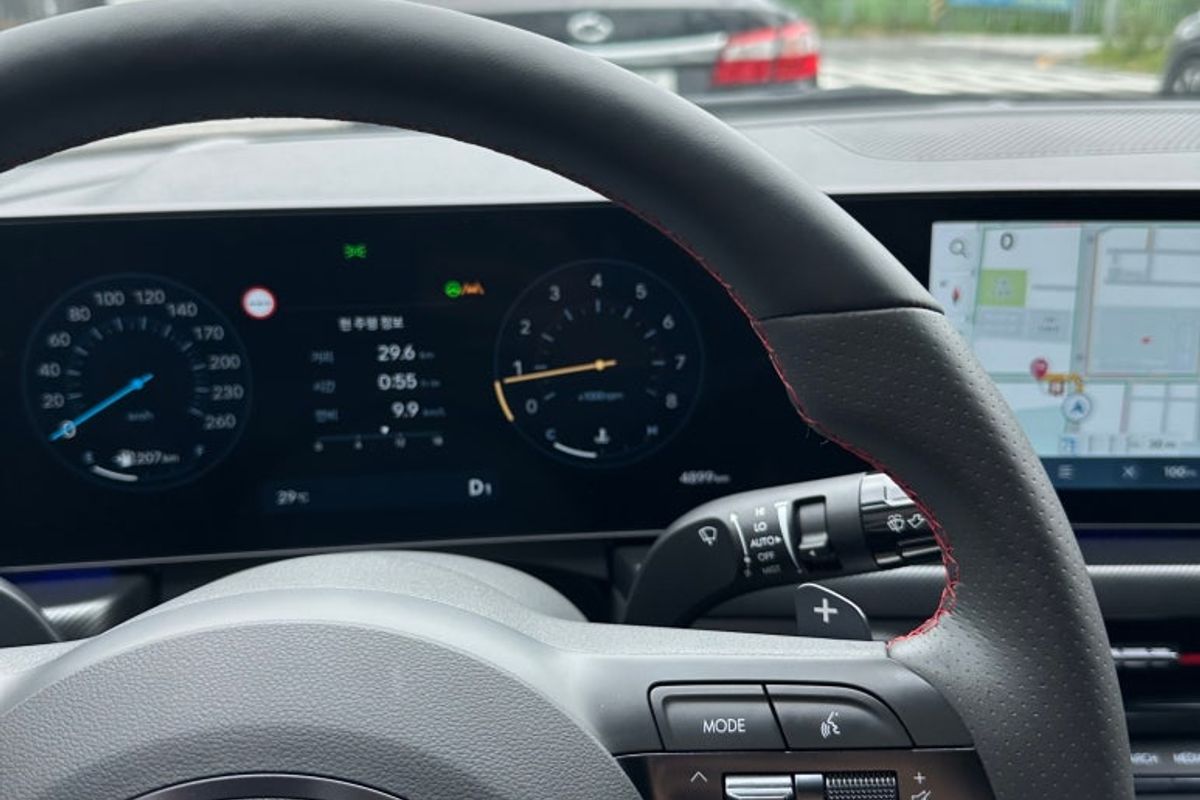
In situations where I could overtake, I accelerated sufficiently to do so, and I don't really try to drive for fuel efficiency.However, the average fuel economy on the trip computer is typically over 10 km/l (approximately 23.5 mpg), so I'm quite satisfied with the economy.
Lastly, a few additional points...
The wet 8-speed DCT transmission engages the clutch smoothly when releasing the brake, operating similarly to a manual transmission.
The feel of the clutch in the Sonata N Line De Edge is very similar to that of my Sorento gasoline after it received a free TCU update. I believe the software logic is quite similar.
However, in my vehicle, I felt that after the TCU update, the clutch engagement became quicker, and the car felt lighter.
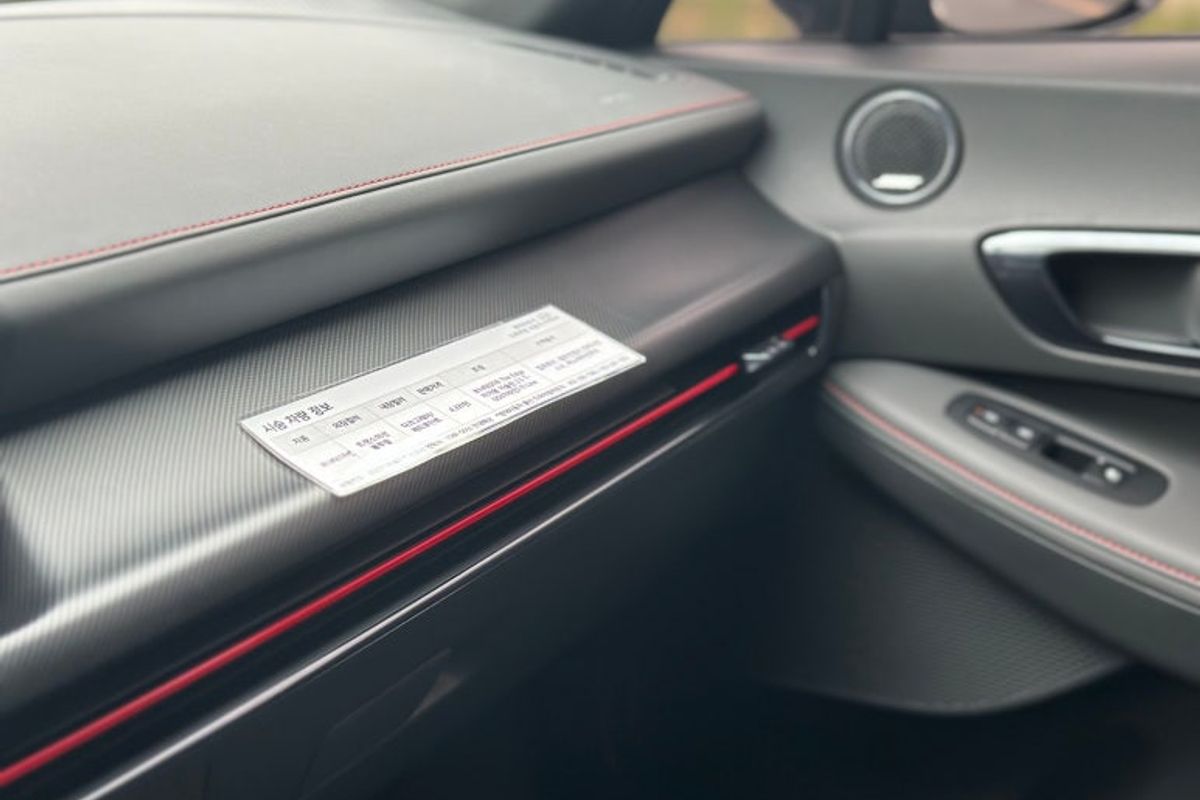
The Sonata I test drove had less than 5,000 km (approximately 3,100 miles) on it, so it engaged the clutch smoothly, but it felt heavier overall.

The digital instrument cluster looks flashy when you start the car, but...
The design itself is a bit disappointing; I think Kia's vehicles look prettier.
This concludes my review of the Sonata N Line De Edge.Honestly, the Sorento gasoline isn't a fair comparison, but it's the vehicle I drive regularly.
Ultimately, the Sonata N Line is a vehicle designed with performance in mind, while the Sorento gasoline is made for families. I'm curious about the differences in ECU and TCU logic.
This naturally led me to compare the two vehicles.