Hyundai and Kia Highlights
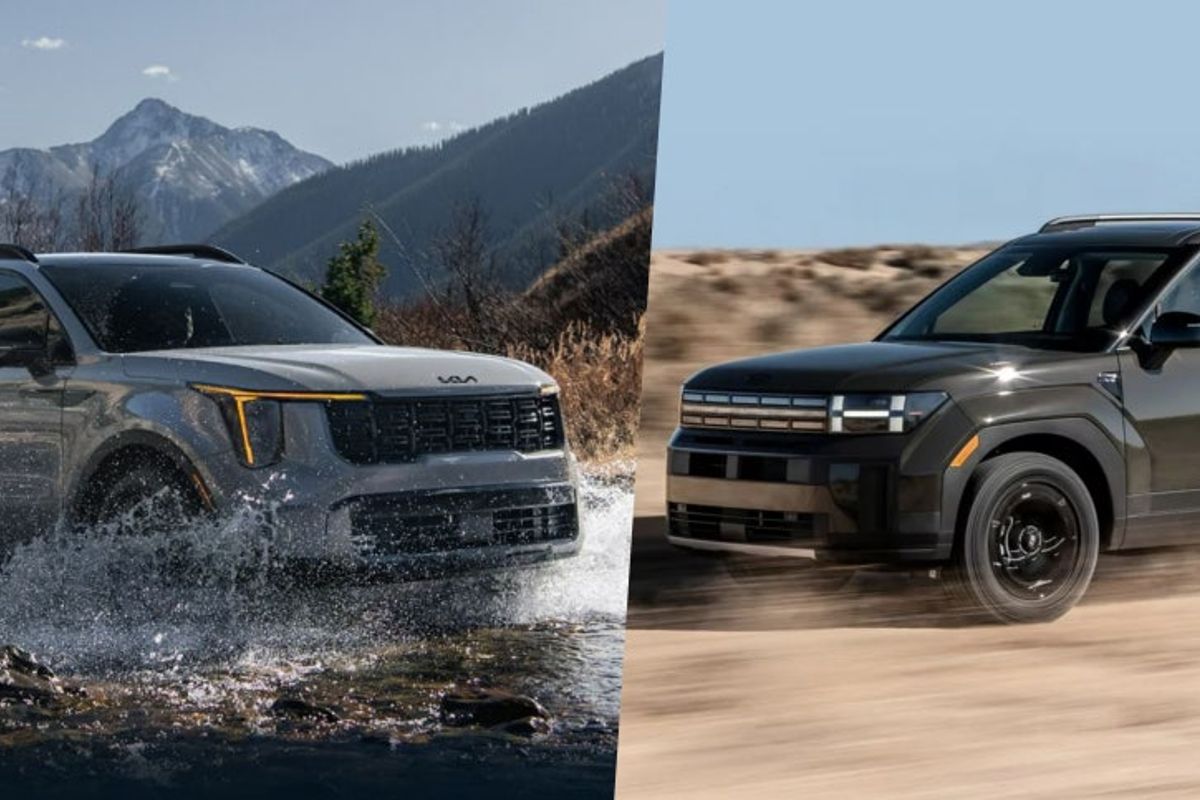
As children grow, fathers often choose family cars as their second or third vehicles. In such cases, many find themselves deliberating between the Hyundai Santa Fe and the Kia Sorento, both of which are frequently regarded as solid options in the mid-size SUV market. With the recent release of updated models, competition in this segment seems to be heating up even more.
Hyundai Highlights
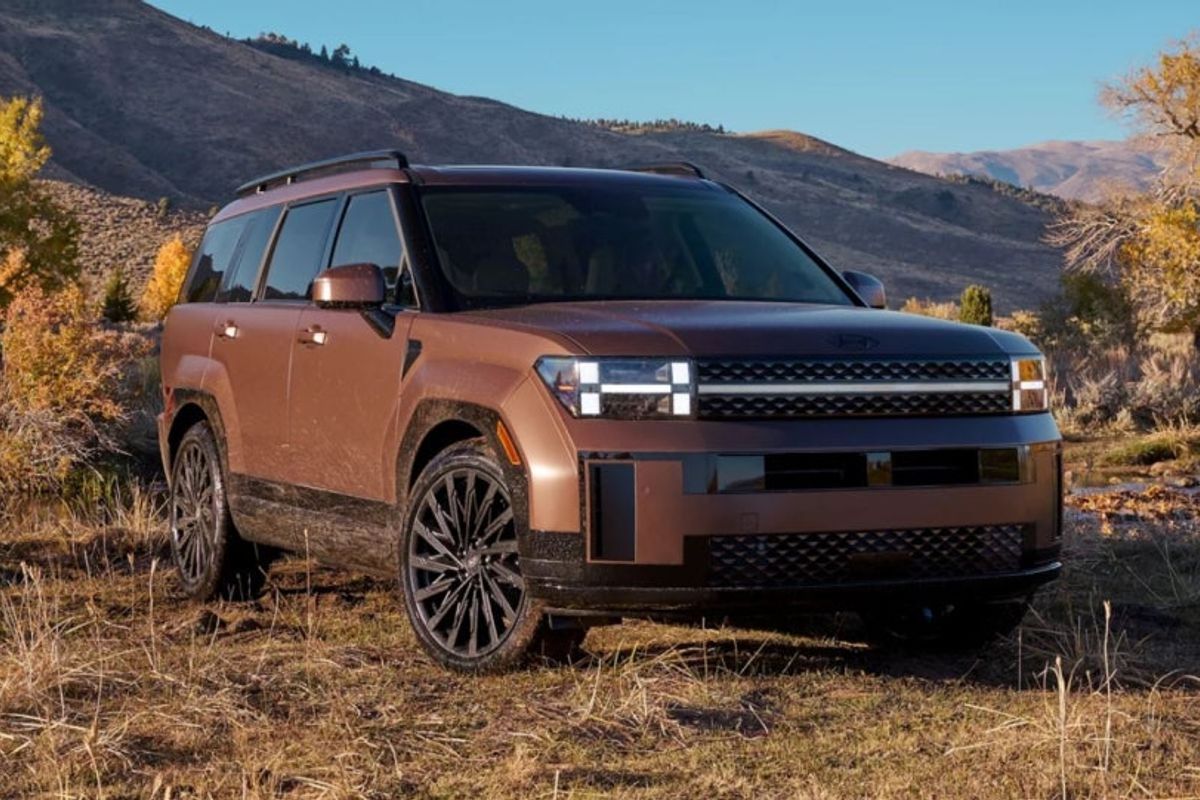
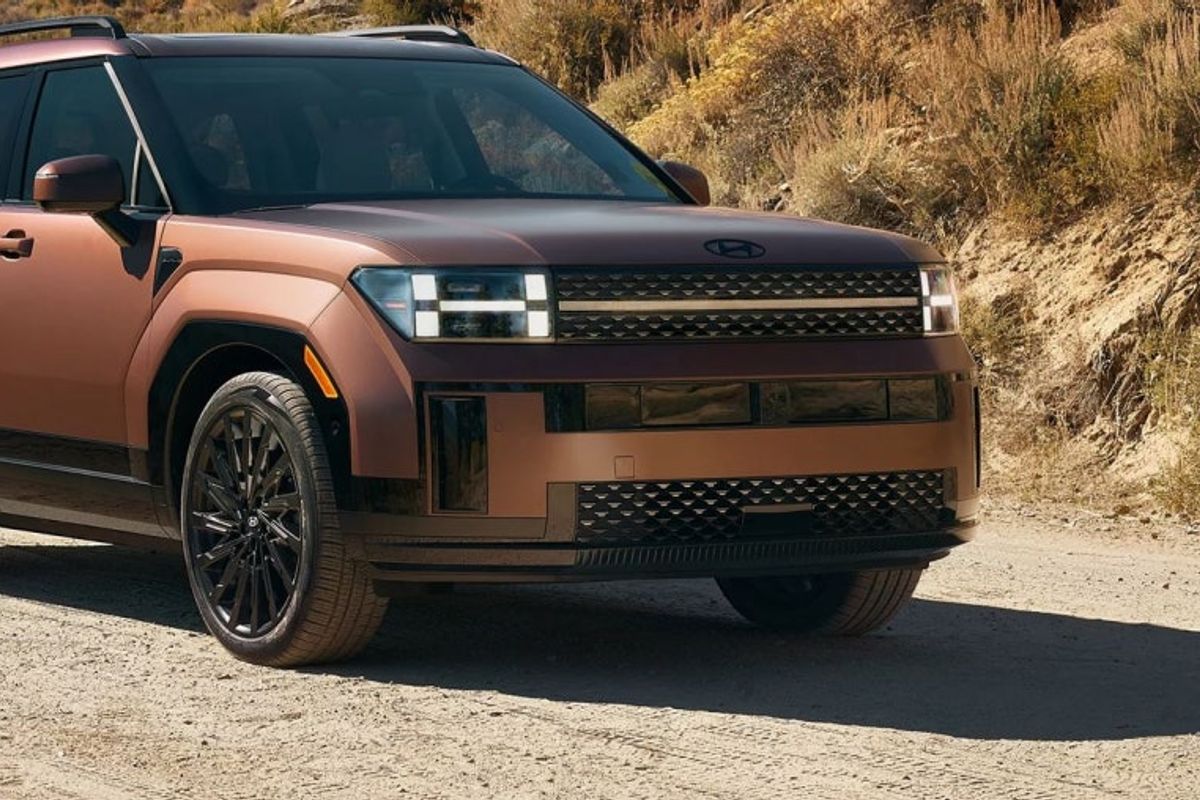
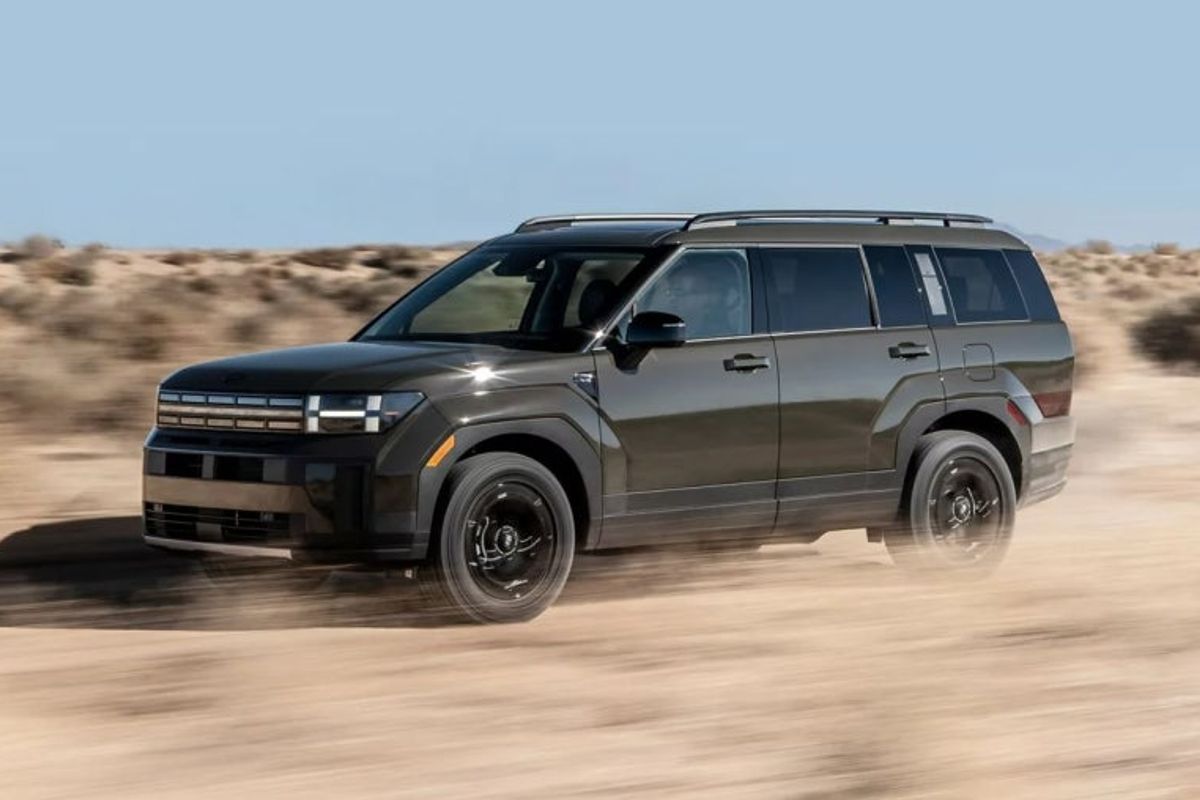
Last year, the fully redesigned fifth-generation Santa Fe showcased a striking new design compared to its predecessor. This bold look earned it various nicknames, including "Solta-fe," "21st Century Galloper," and "Joseon Defender." The front features Hyundai's signature H-shaped lights and a lower bumper that seems to divide opinions among consumers.
Hyundai Highlights
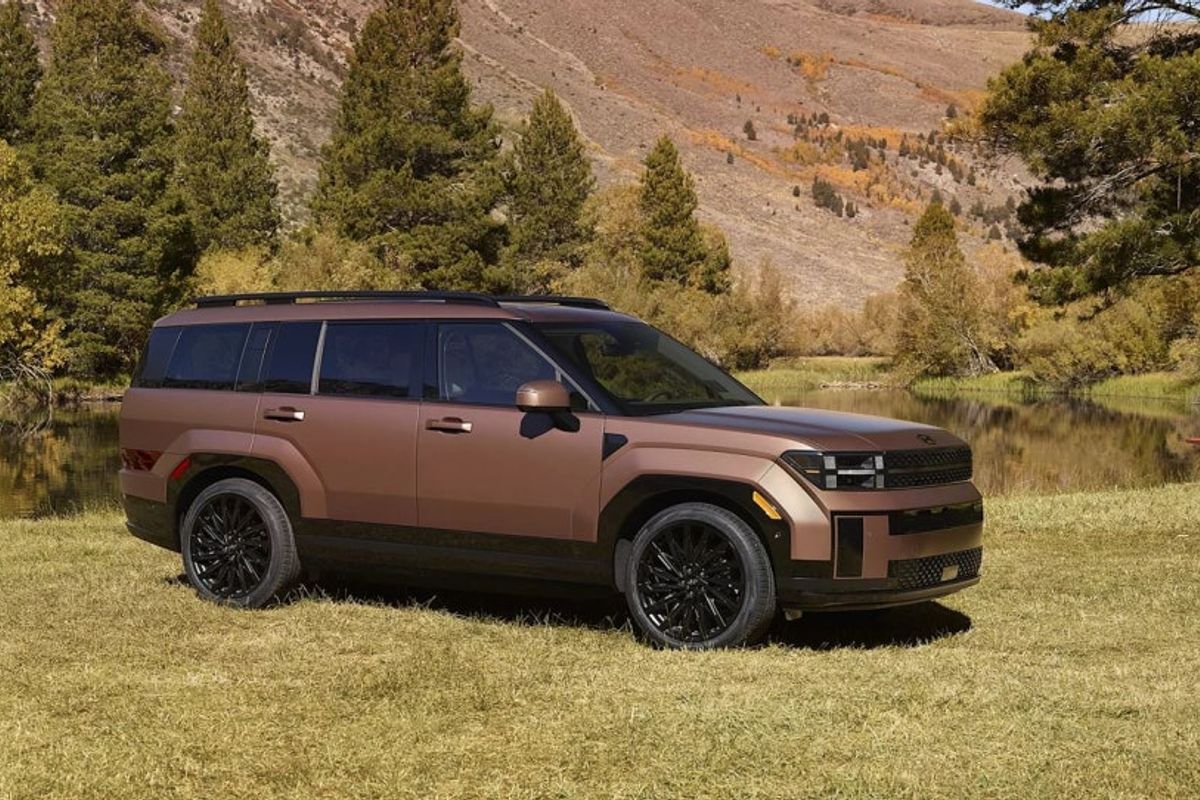
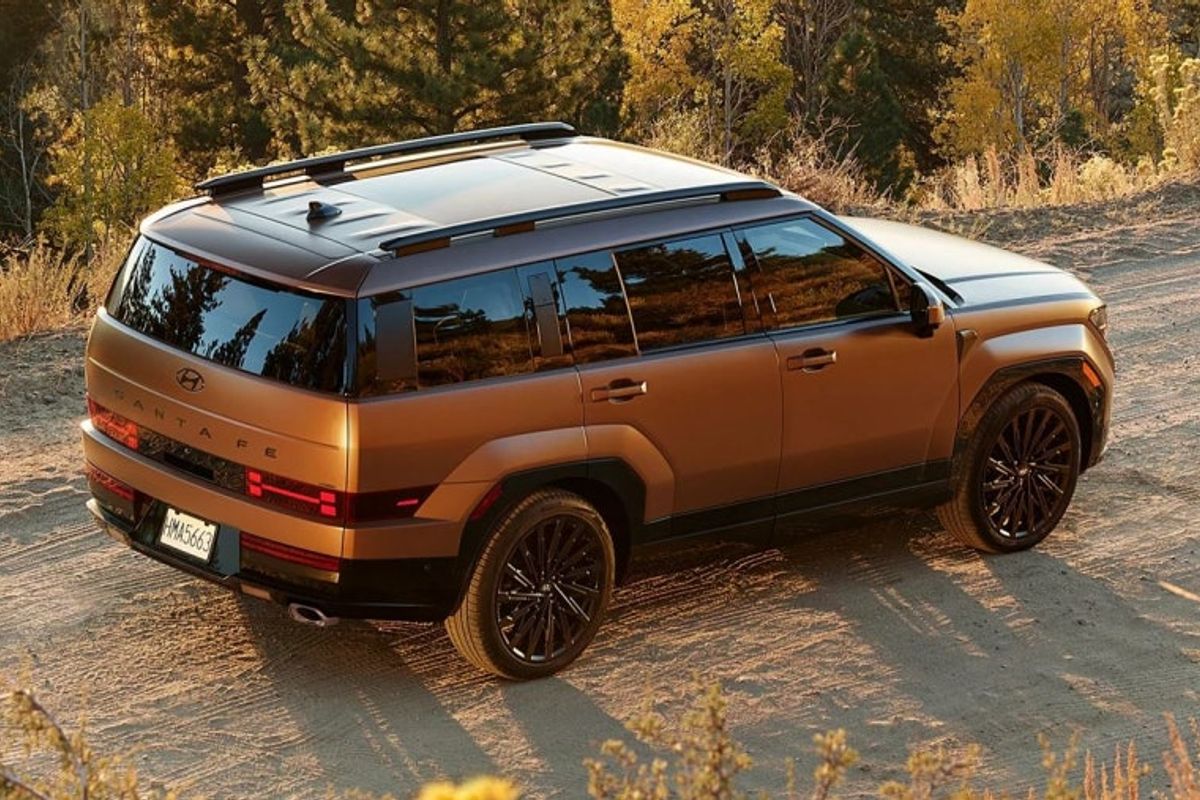
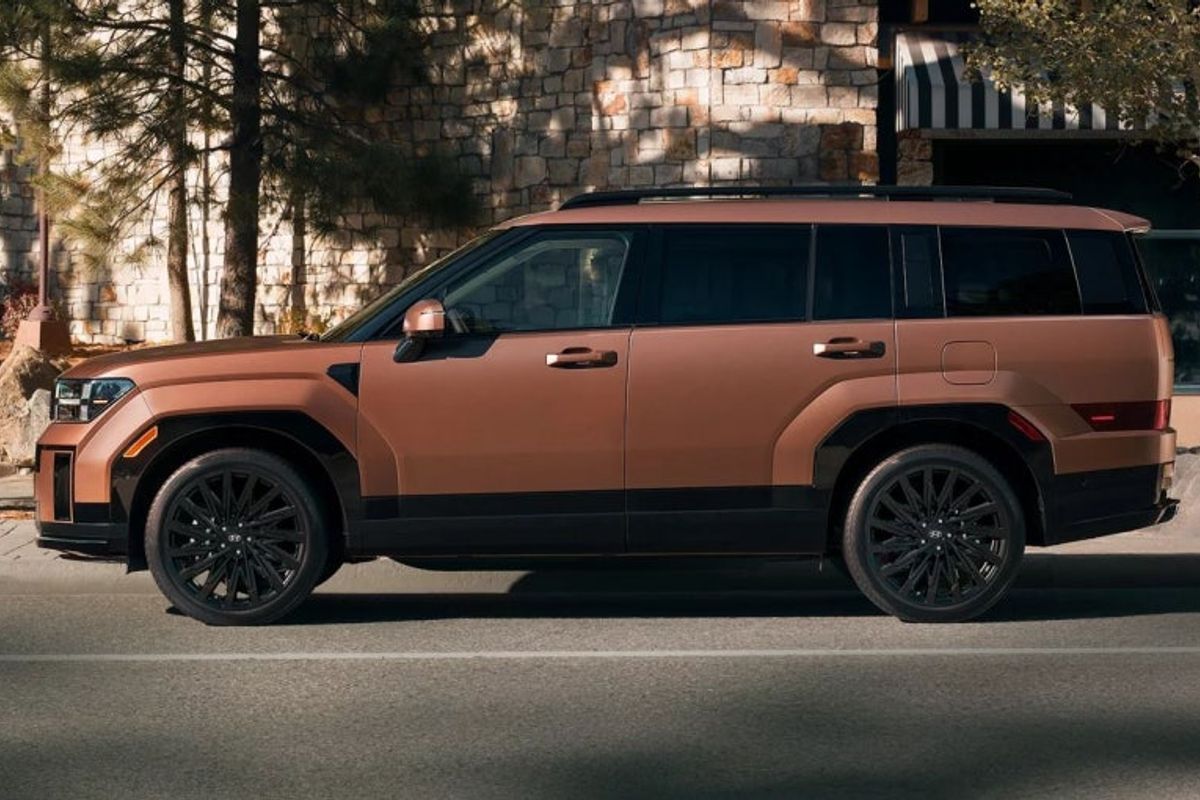
The side profile of the Santa Fe emphasizes a spacious interior with an elongated overhang that accentuates its RV-like rear. Its boxy shape evokes memories of the Galloper. The black fender trim adds a stylish touch. At the rear, the tail lamps sit low, while the turn signals are integrated into the bumper.
Hyundai Highlights
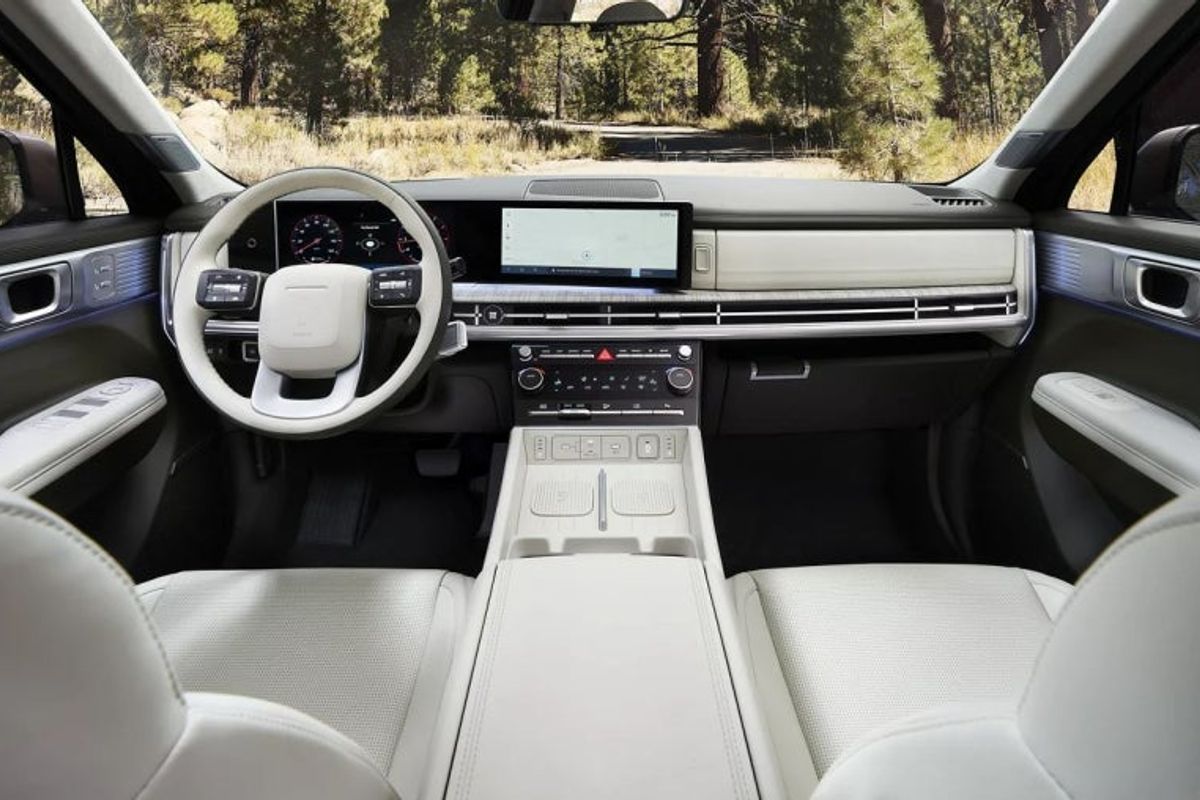
Inside, the Santa Fe exudes a futuristic design reminiscent of a sedan. It features a 12.3-inch cluster and an infotainment display that create a panoramic curved screen.
Hyundai Highlights
The vehicle also includes an electronic shift column and a 6.6-inch touchscreen climate control display. The center console features a dual wireless charger, and overall, the cargo capacity is quite impressive.
Kia Highlights
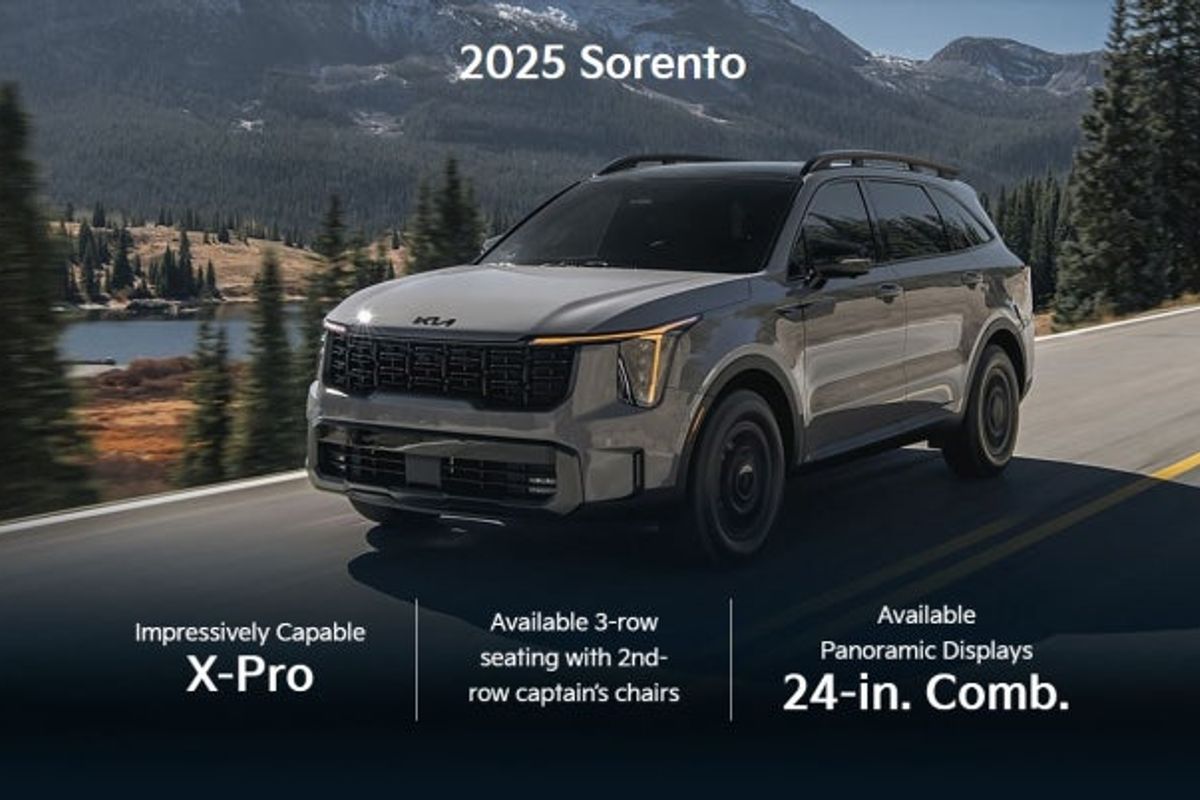
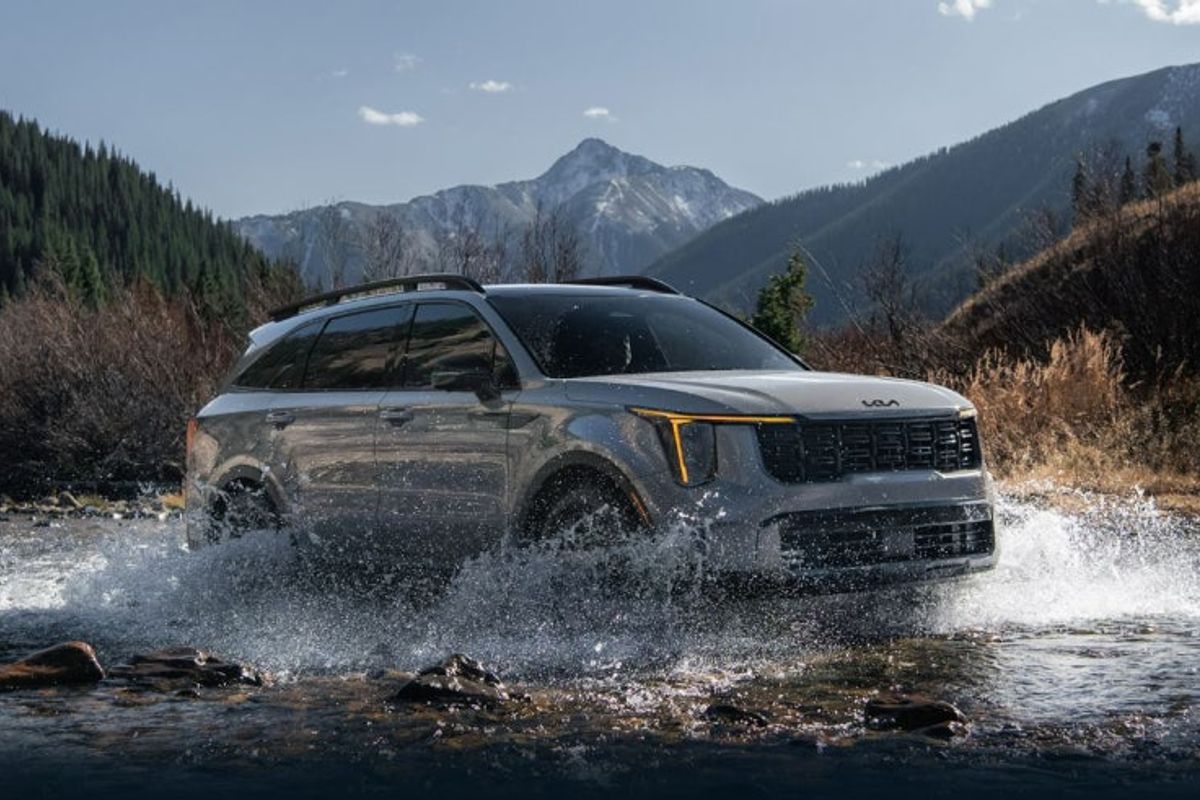
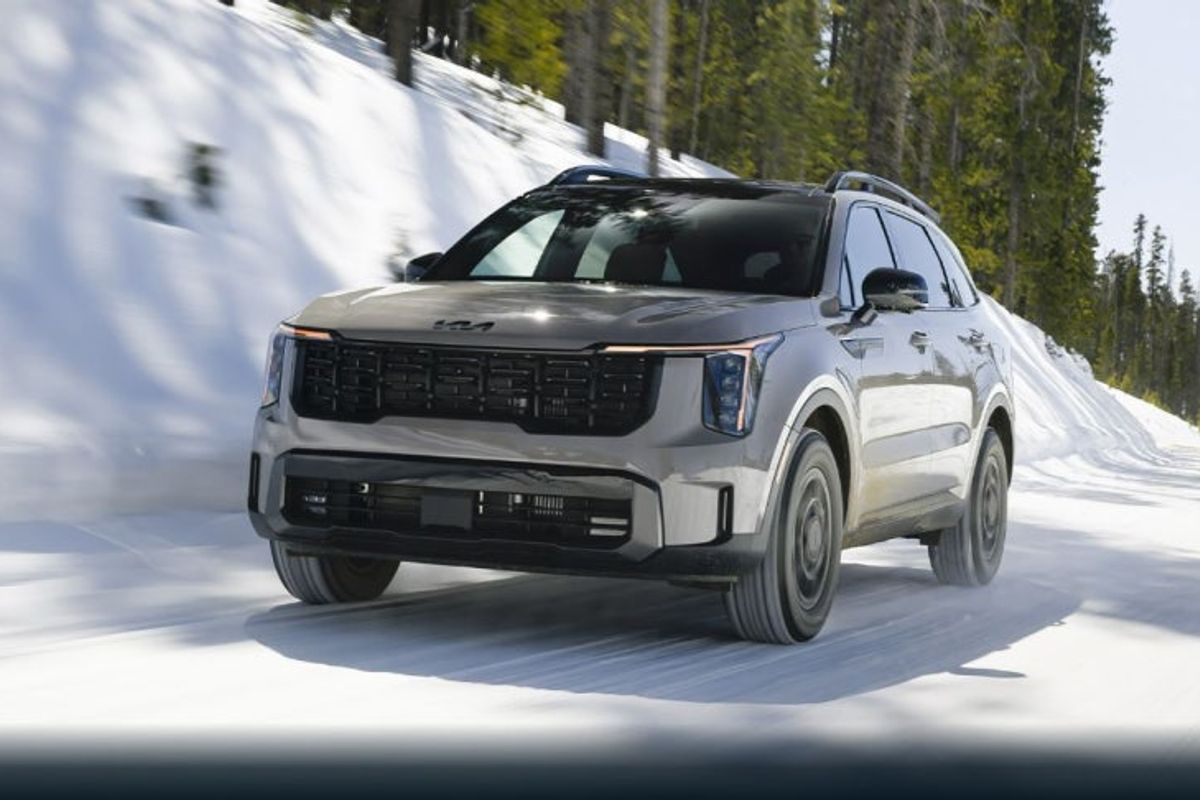
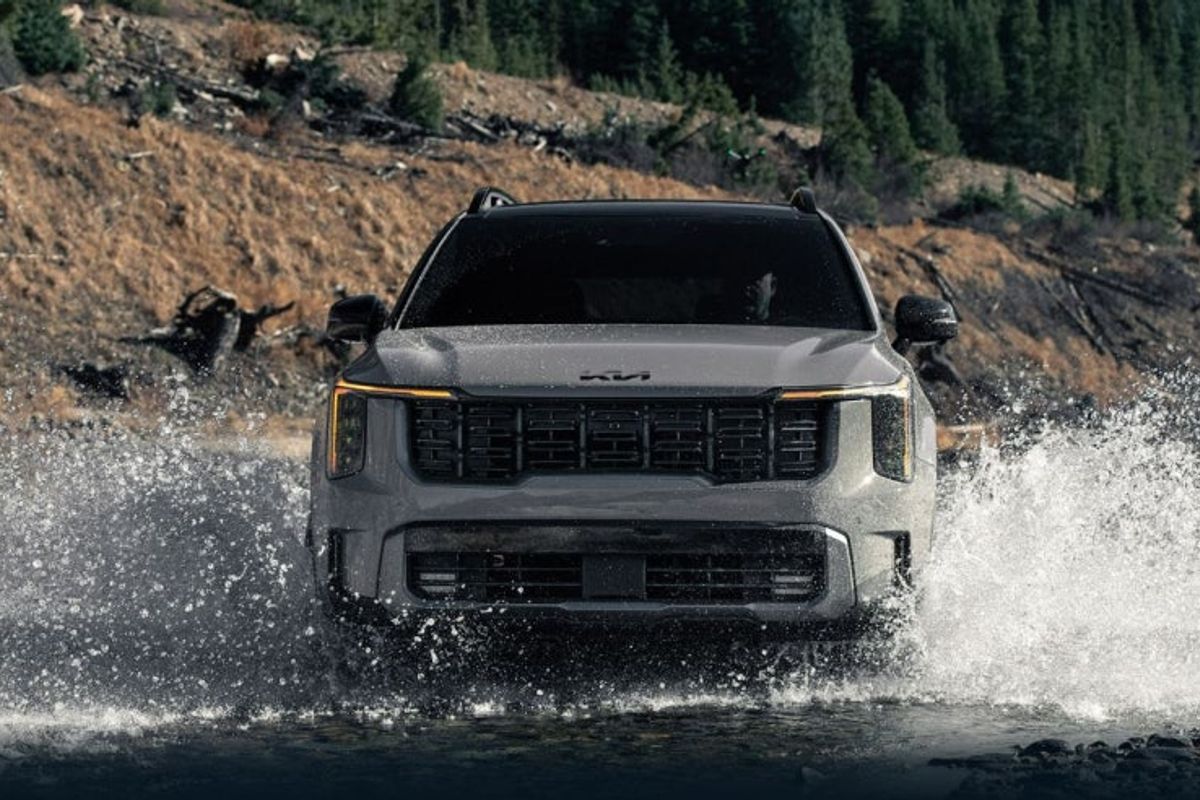
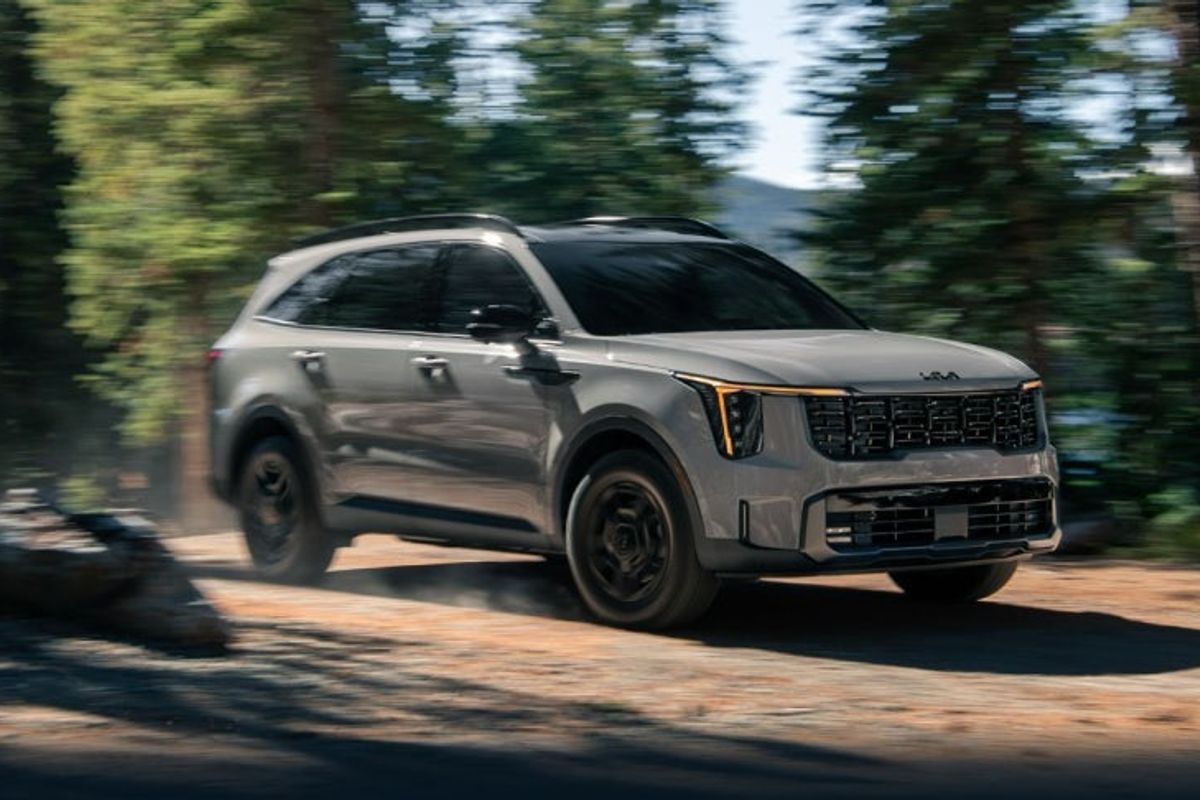
The Sorento facelift boasts a high level of design quality overall, exuding a solid yet sophisticated vibe. The front features vertical lamps and a star map signature daytime running light. The radiator grille is finished in black, enhancing its sporty appeal.
Kia Highlights
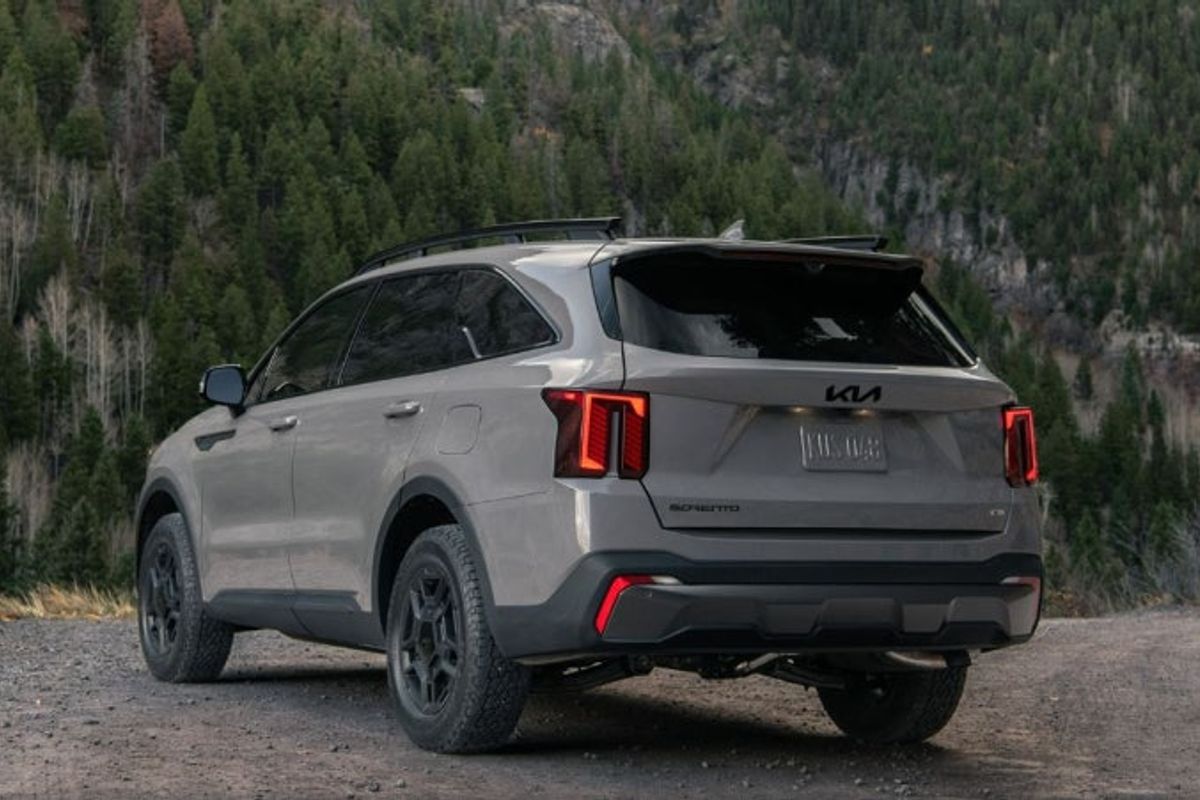
The side profile of the Sorento, being a minor facelift, does not feature significant changes and appears more refined compared to the Santa Fe. The fender, side skirts, side garnish, and rear bumper all come in matte black. The rear showcases vertical tail lamps that enhance visibility compared to the lower-positioned Santa Fe.
Kia Highlights
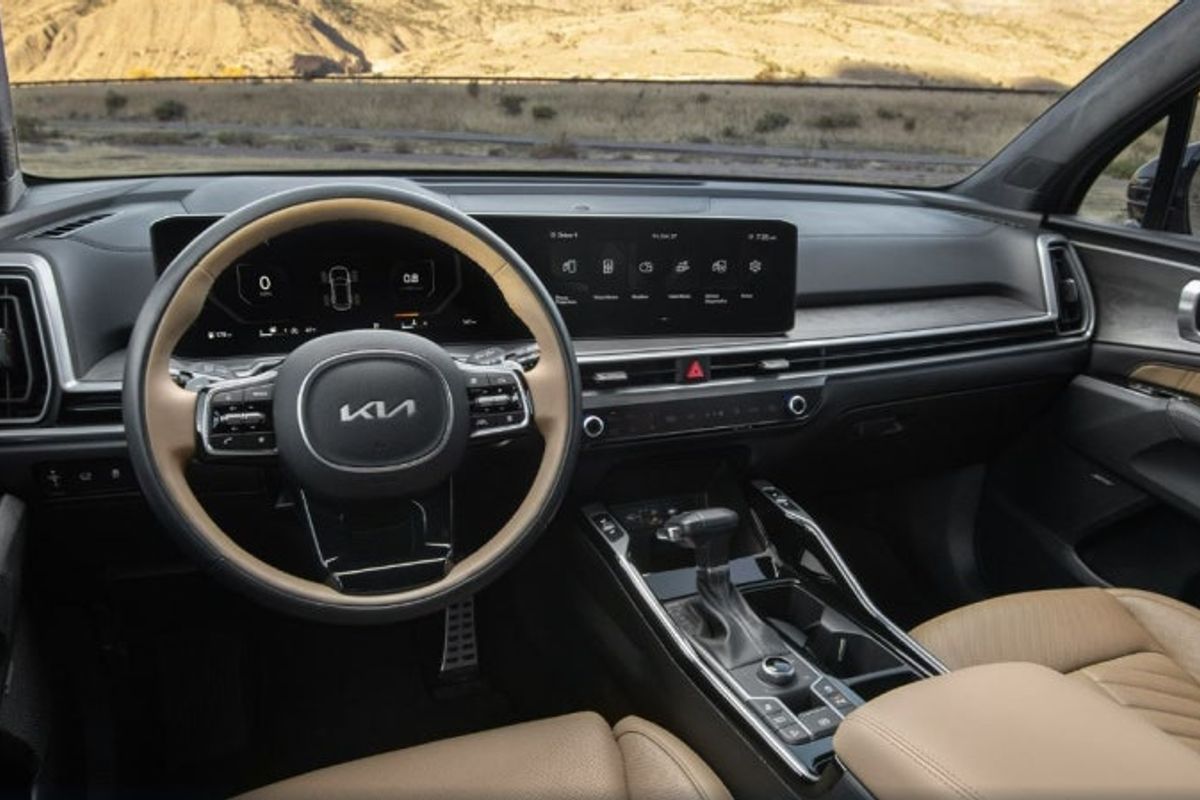
The interior features a horizontal design that enhances openness. The 12.3-inch cluster and navigation system seamlessly integrate into a panoramic display featuring Kia's next-generation infotainment system, ccNC. It includes a two-tone steering wheel, full-touch climate controls, and a dial-type gear knob.
Kia Highlights
The Santa Fe full redesign and the Sorento facelift both utilize the N3 platform introduced in 2019. The low-floor design allows easy entry and exit without a side step, and both models have received commendable safety ratings in crash tests. Sharing the same platform, they also feature identical powertrains. The gasoline models come equipped with a 2.5-liter turbocharged inline-four engine paired with an 8-speed DCT, delivering a maximum output of 281 horsepower and a peak torque of 31.6 lb-ft.
Hyundai Highlights
For the hybrid versions of the Santa Fe and Sorento, they feature a 1.6-liter turbocharged inline-four engine paired with a 6-speed automatic transmission. The engine produces a maximum output of 180 horsepower and a peak torque of 19.9 lb-ft.
Kia Highlights
The electric motor in the hybrids delivers a maximum output of 65 horsepower with a peak torque of 19.9 lb-ft. Both the Santa Fe and Sorento hybrids have an official fuel efficiency rating of approximately 36.6 to 37.0 miles per gallon, making them nearly identical. Diesel options were only available for the Sorento.

Hyundai Highlights
In terms of cargo capacity, the boxy design of the Santa Fe full redesign offers slightly more space, with a capacity of 725 liters, allowing for four golf bags and four Boston bags. The Sorento facelift provides a capacity of 705 liters.

Kia Highlights
The Sorento facelift offers standard features like power front seats and a wireless smartphone charging system, while the Santa Fe full redesign includes a power front passenger seat and optional wireless charging. Additionally, the Santa Fe full redesign comes with standard safety power windows for all seats, an electric trunk, HDA2, and an in-car fingerprint authentication system. The Sorento facelift lacks the fingerprint authentication system, but all other features are available as options.
Hyundai Highlights
The cost for the six-seat option is 1,040,000 KRW (approximately $780), while the Sorento facelift costs 840,000 KRW (approximately $640). For all-wheel drive, the Santa Fe is priced at 2,230,000 KRW (approximately $1,680), while the Sorento is priced at 2,320,000 KRW (approximately $1,740). The heads-up display (HUD) is part of a package option; the Santa Fe full redesign allows selection starting from the Prestige trim, which includes a panoramic curved display for an additional 1,240,000 KRW (approximately $930). The Sorento requires the selection of a package that includes the built-in cam 2 and AR navigation for 1,190,000 KRW (approximately $890).
Kia Highlights
Comparing vehicle prices, the Santa Fe full redesign ranges from 35,460,000 KRW (approximately $26,500) to 50,460,000 KRW (approximately $37,400), while the Sorento facelift ranges from 36,500,000 KRW (approximately $27,000) to 50,960,000 KRW (approximately $37,800). The Santa Fe hybrid costs between 40,310,000 KRW (approximately $30,000) and 55,060,000 KRW (approximately $41,000), while the Sorento hybrid ranges from 40,280,000 KRW (approximately $29,900) to 55,020,000 KRW (approximately $40,900). The wait time for the popular Santa Fe hybrid is four months, while the Sorento hybrid has a wait time of nine months.
Hyundai
Kia Highlights