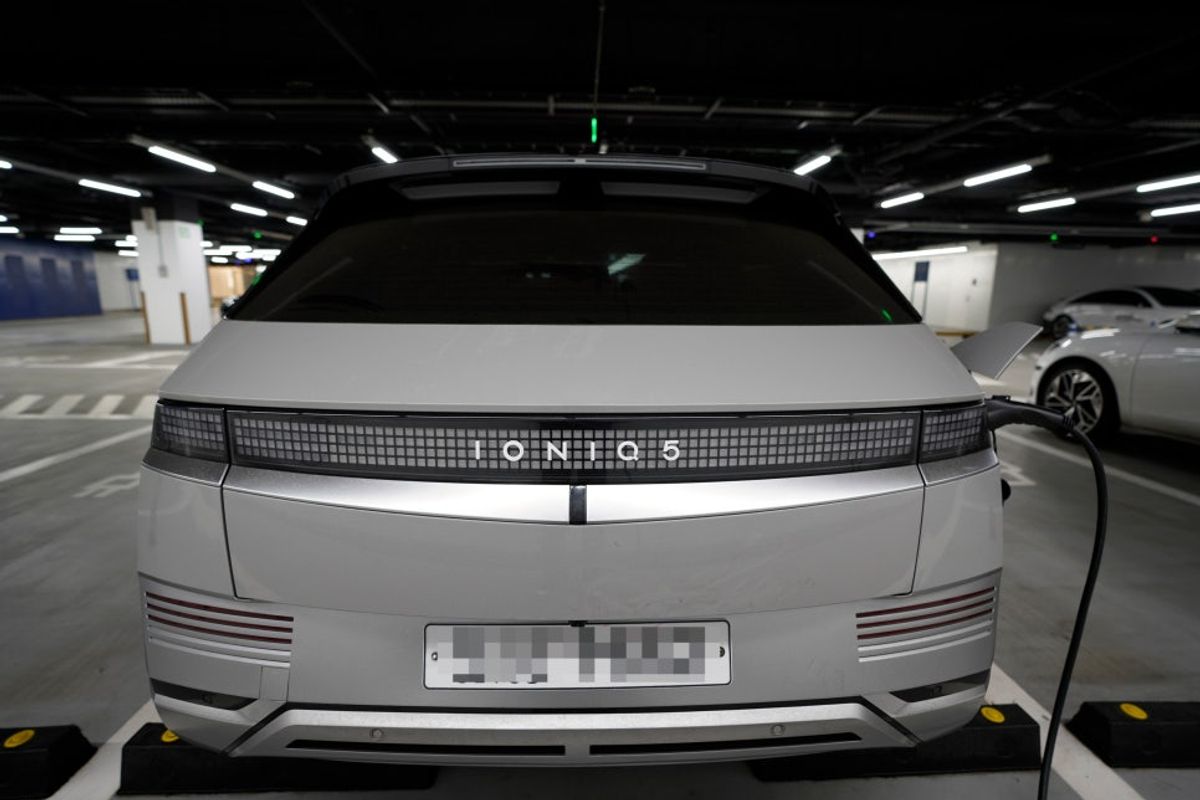
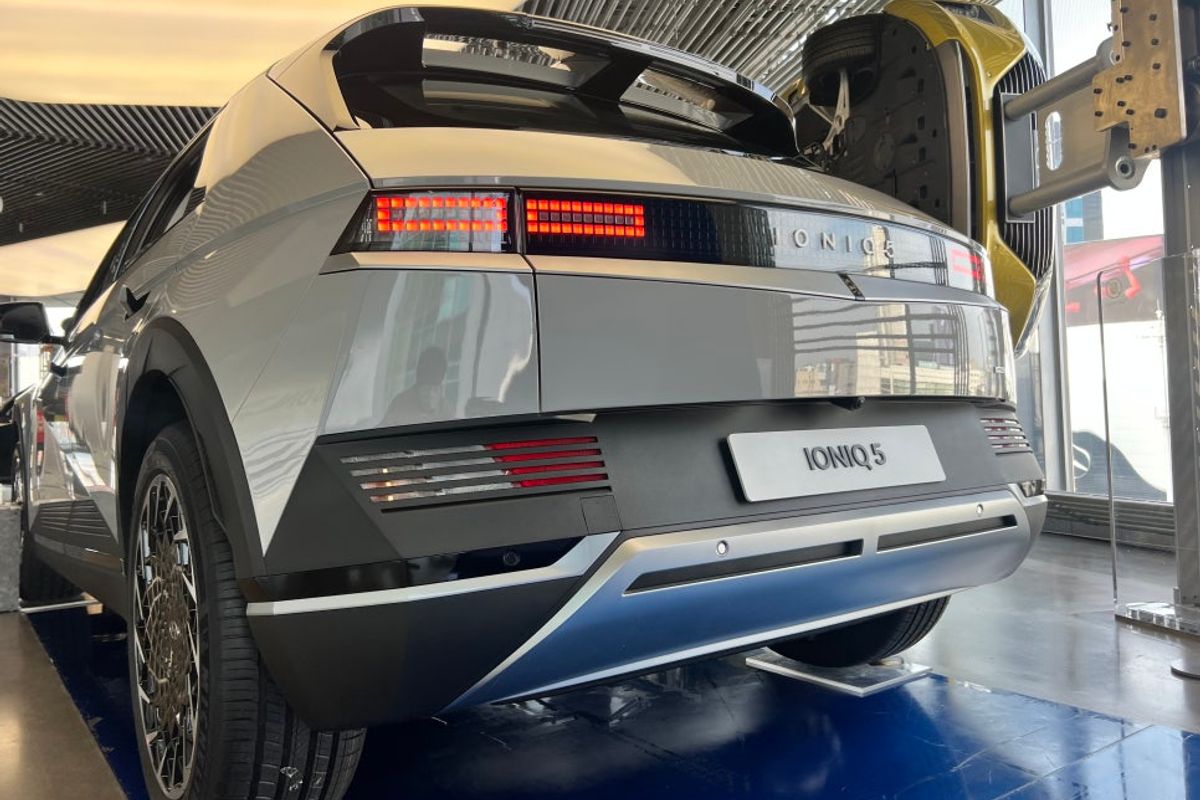
I recently visited the Hyundai Motor Studio with a friend who is considering purchasing the best-selling domestic electric vehicle, the IONIQ 5.
We checked out the design and interior space and even took a test drive.
Since I had already test-driven the model three times over the long term, I shared various insights with my friend.
It's crucial to experience a car firsthand before making a decision, right?
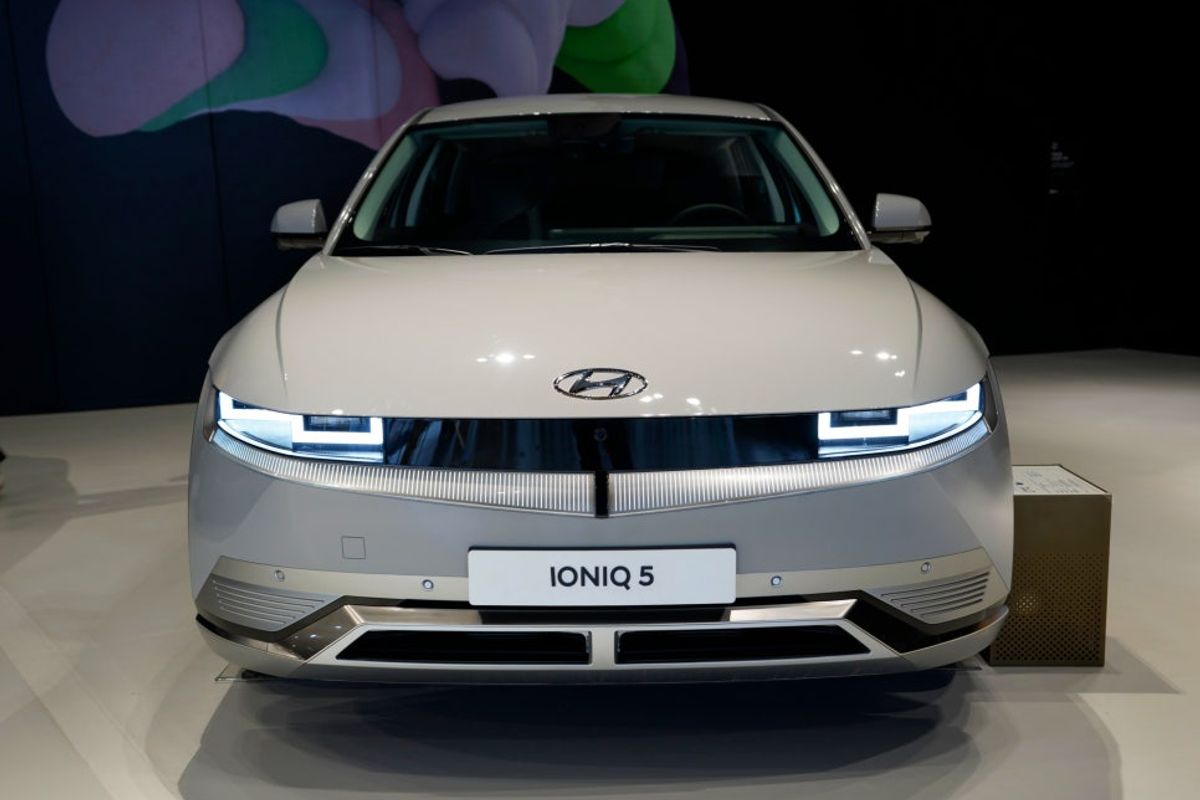
Domestic electric vehicles primarily include the Hyundai IONIQ 5 and 6, as well as the Kia EV6 in the compact and mid-size categories.
Since last month, Kia's mid-size SUV electric vehicle, the EV9, has officially started deliveries.
However, many have criticized its high price, raising doubts about its commercial success.
As electric vehicles increase in size, they face numerous challenges, from battery capacity and performance to high-end options that match competing models.
It seems there are too many barriers to overcome.
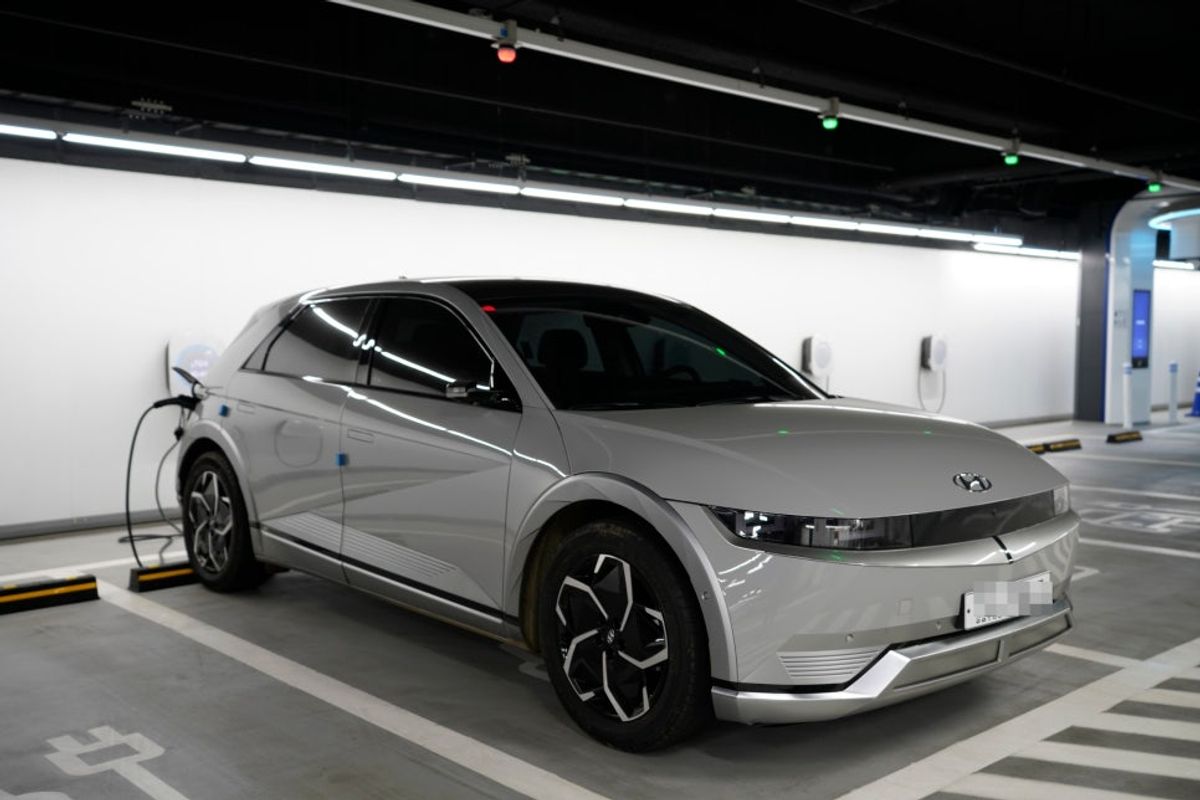
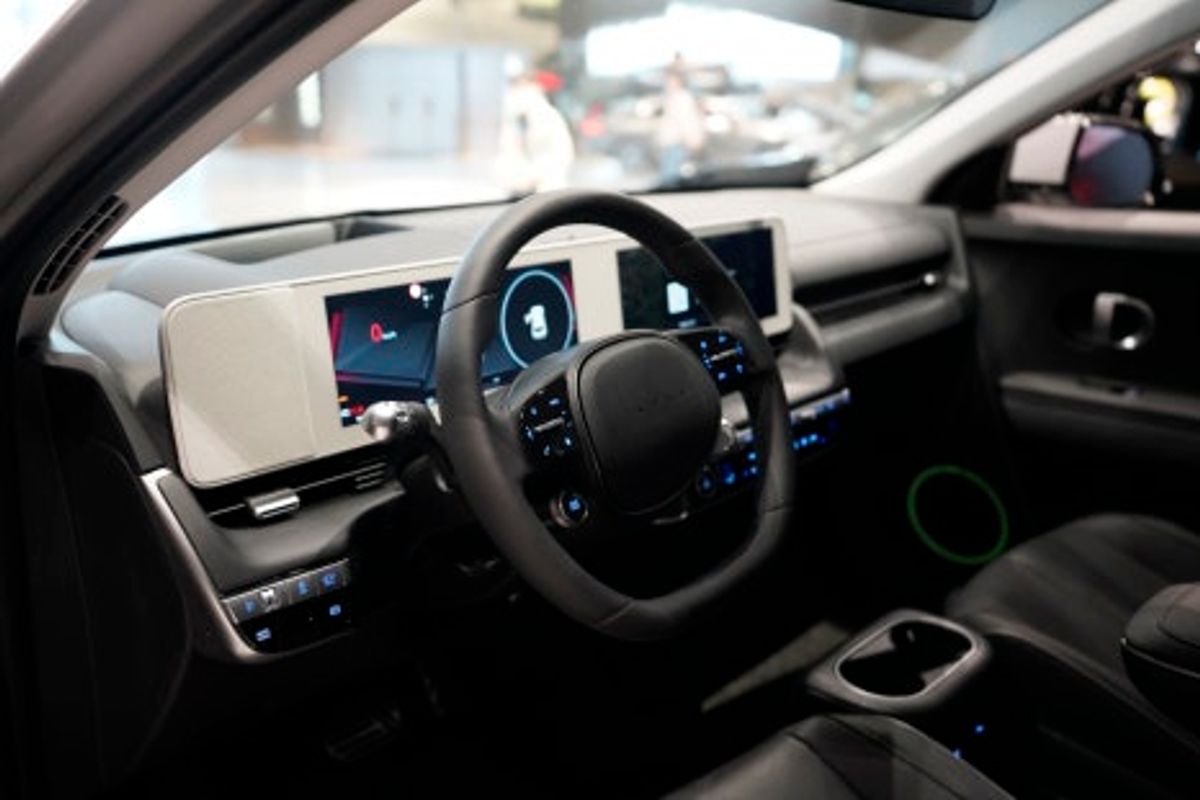
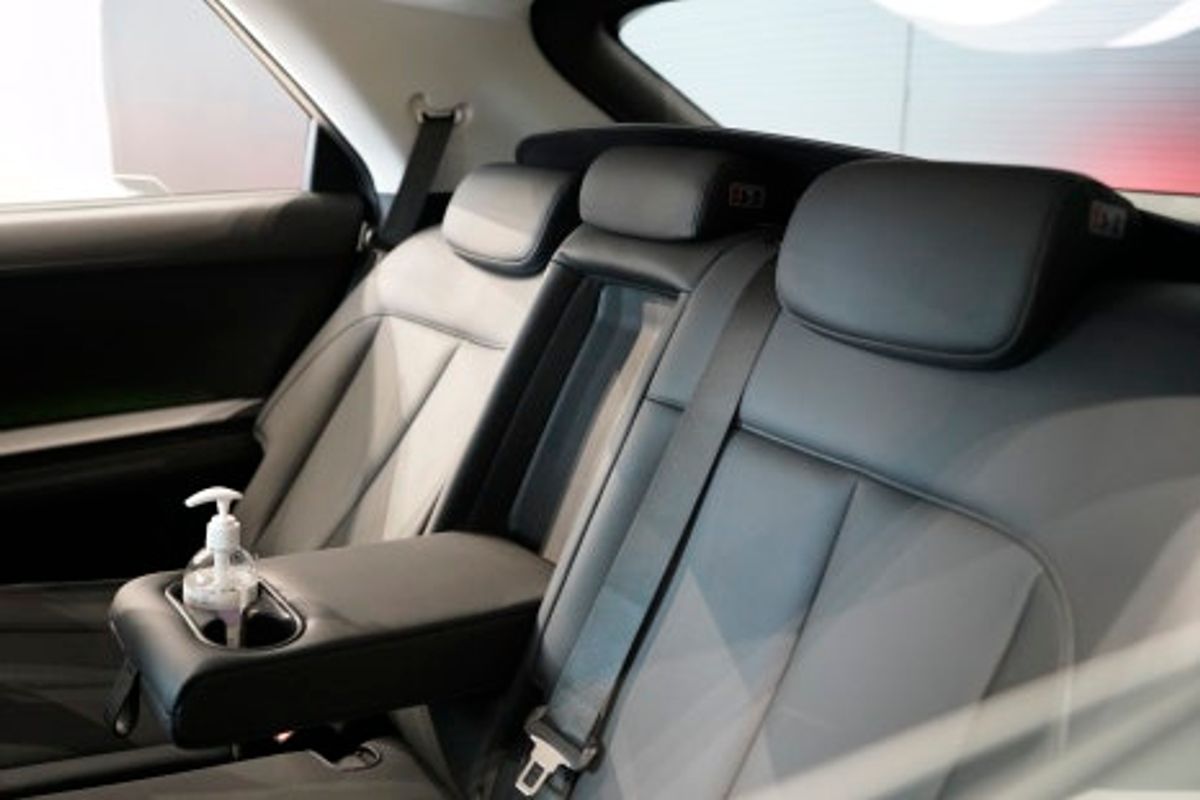
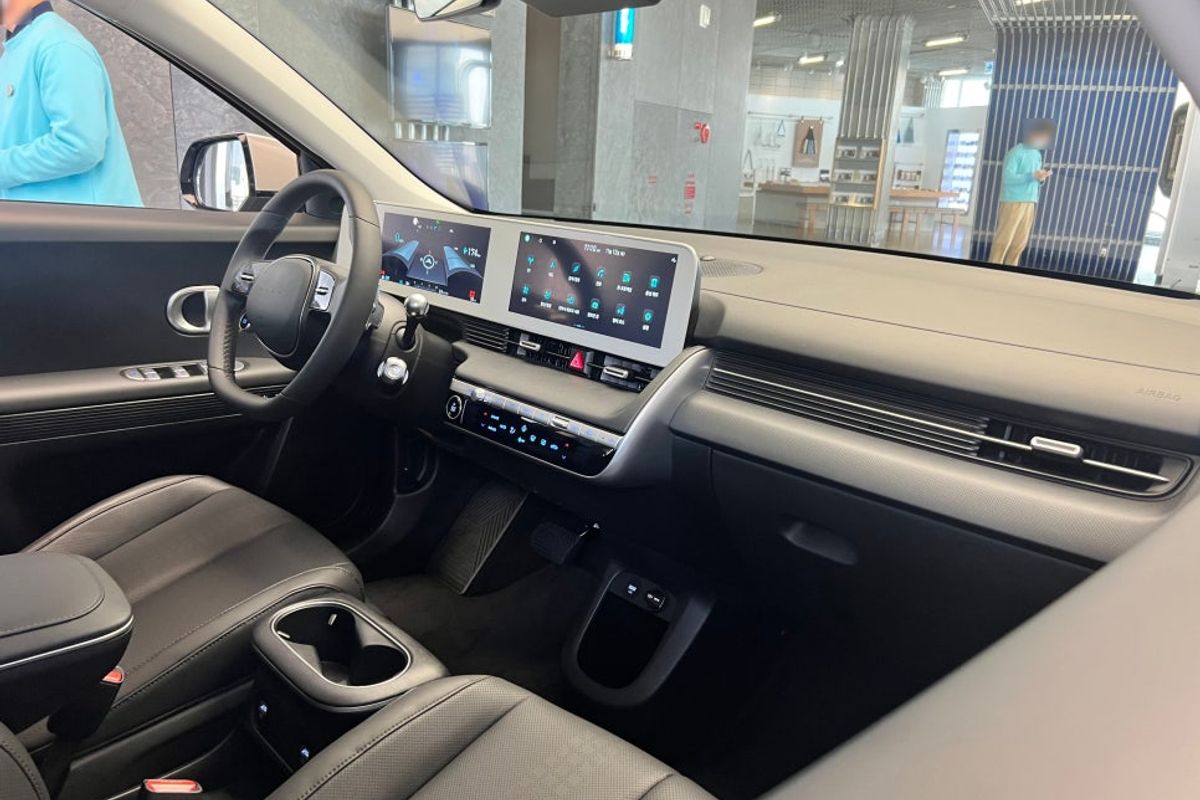
In contrast, the 2023 IONIQ 5 offers a spacious interior that rivals mid-size SUVs despite being a compact SUV.
Because it doesn't require a large engine compartment, and thanks to the practicality of electric vehicles, which allows for better use of space between the driver and passenger seats,
the satisfaction with the interior space is notably high.
While I found the trunk space of the IONIQ 5 somewhat lacking during my test drive,
my overall satisfaction with the interior space exceeded my expectations.
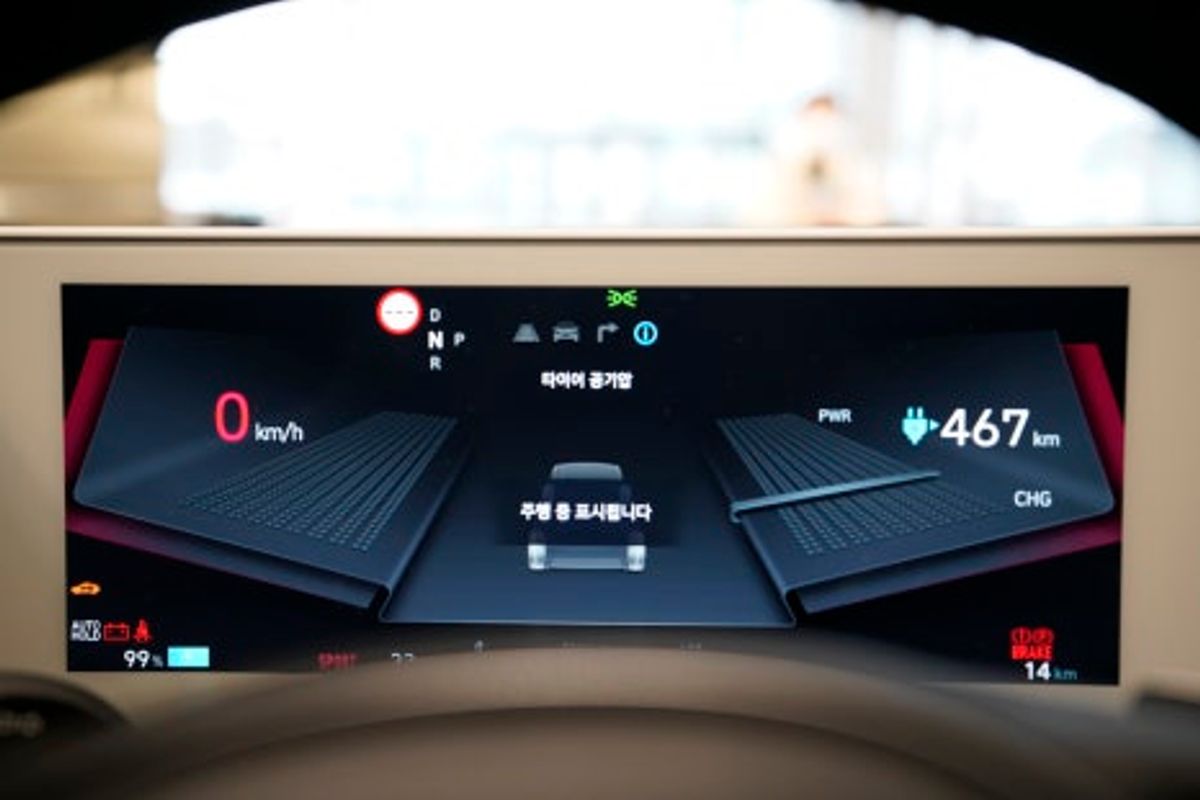
The IONIQ 5 has a specified driving range of 259 miles (417 km).
During the rainy season, I noticed that driving with the air conditioning on in heavy rain reduced the actual driving range to below 217 miles (350 km).
Electric vehicles experience fluctuations in battery efficiency depending on the weather and temperature throughout the seasons.
Therefore, it’s essential to consider the charging infrastructure and driving conditions before making a purchase.
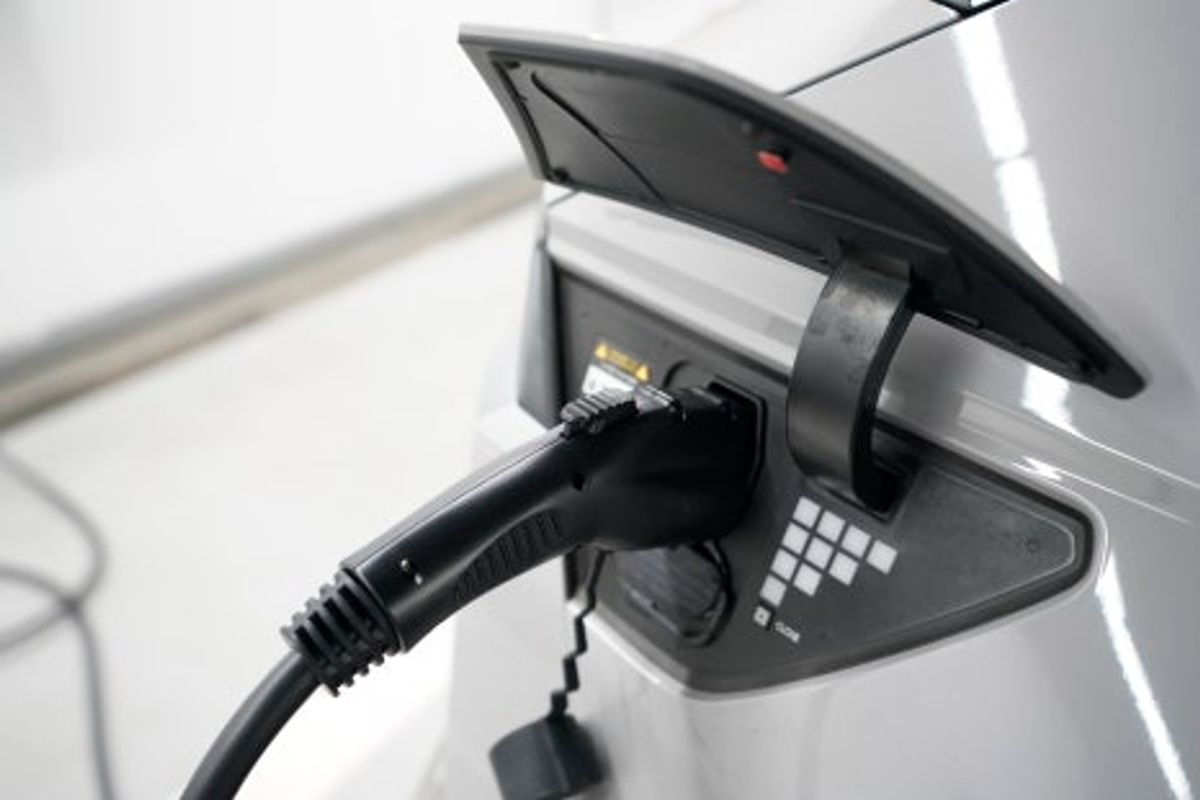
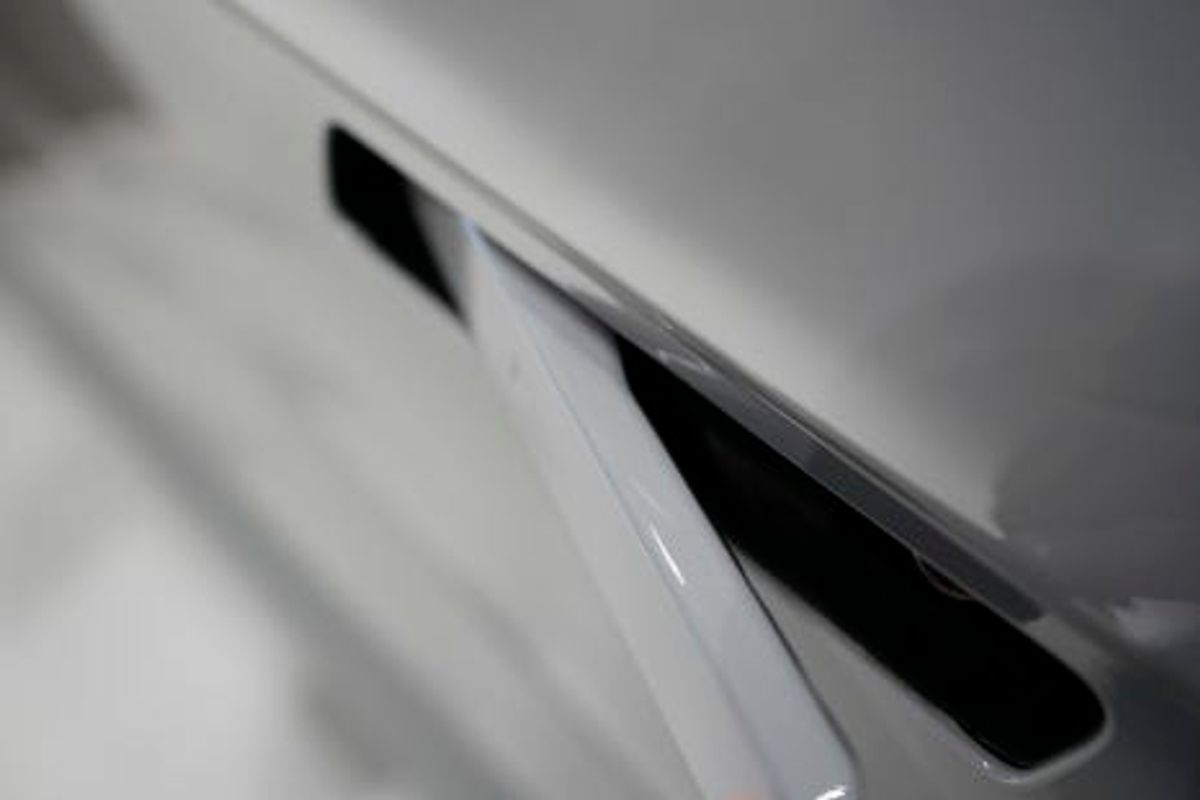 Even though the number of electric vehicle charging stations has increased, I still feel a significant psychological pressure when I need to charge due to the fear of running out of battery.
Delivery time information
The delivery period takes about one month.
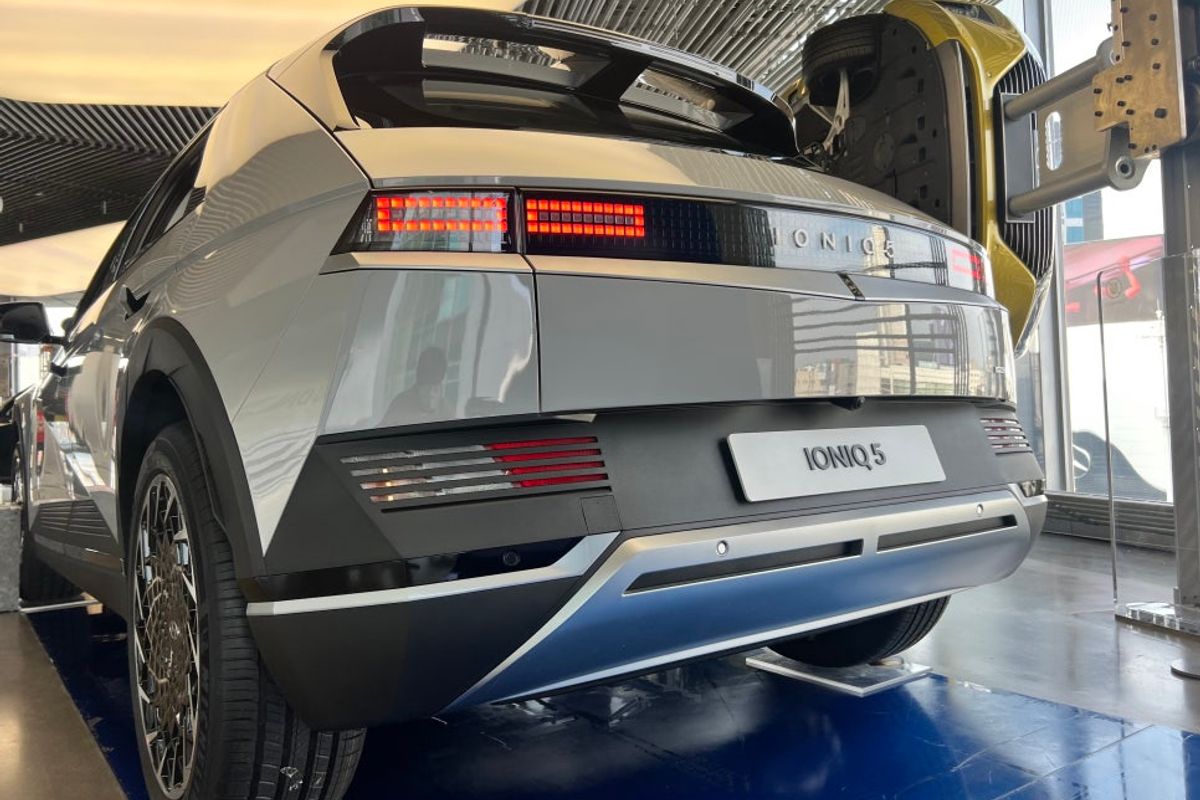 A friend of mine who ordered this model last December was initially told it would take nearly a year, but he received it in April.
2023 IONIQ 5 Specifications - Comparison with EV6
The domestic competitor to the IONIQ 5 is Kia's EV6.
Comparing electric vehicle sales from the first half of the year, the IONIQ 5 sold 9,504 units, while the EV6 sold 10,927 units.
Considering that the specifications and prices are quite similar, it seems that the EV6 received more favorable reviews for its design and space efficiency.
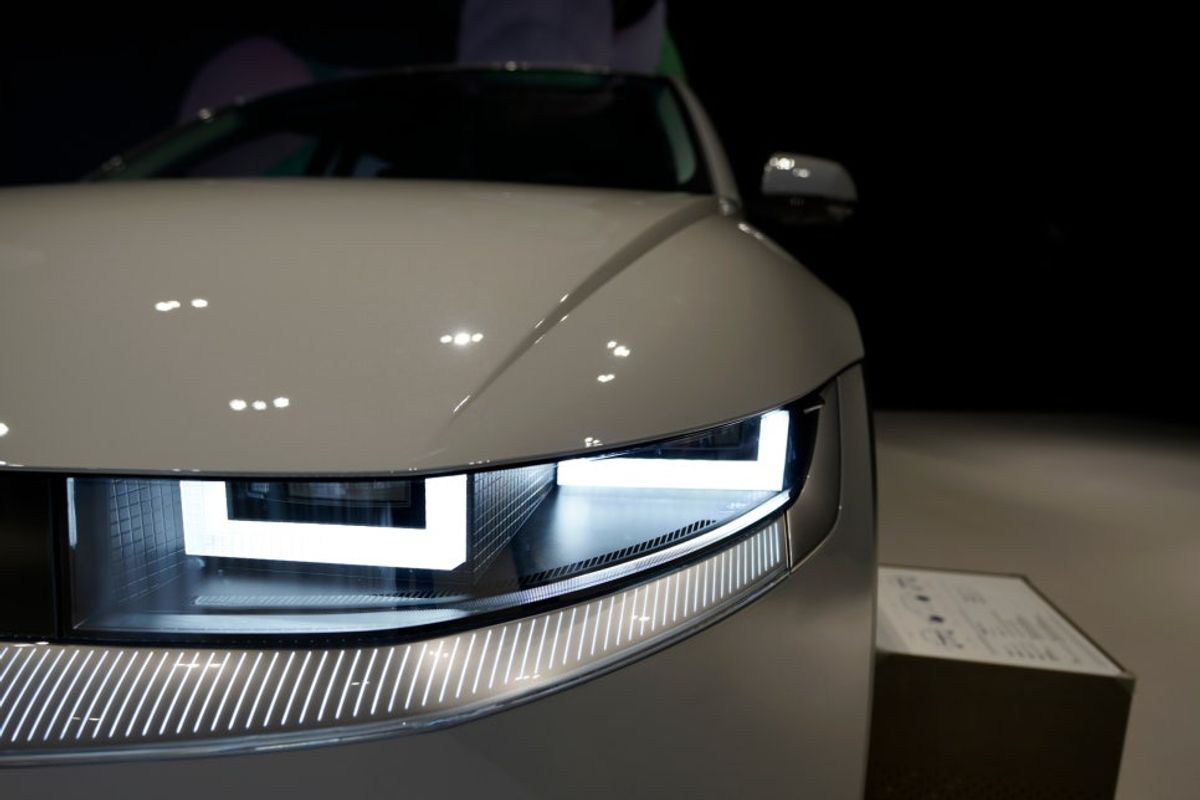
Comparing the sizes of the two models, the EV6 measures 1.77 inches (45 mm) longer in length, whereas the IONIQ 5 has a wheelbase that is 3.94 inches (100 mm) longer.
IONIQ 5
EV6
4,680
Width (mm)
1,880
| Height (mm) | 1,605 |
|
|
| 3,000
| 2,900
| Front / Rear Track (mm)
| 1,638 / 1,647
|
|
|
| 239 / 320
| 239 / 320
Maximum Torque (Nm / kg·m) |
|
|
|
| | Overall, the interior and trunk space satisfaction clearly favors the IONIQ 5. |
|
|
| |
| Hyundai IONIQ 5 | Driving Range: 259 miles (417 km) | Energy Efficiency: 4.7 km/kWh (combined) (2.9 miles/kWh) (highway 4.2 km/kWh / city 5.3 km/kWh) |
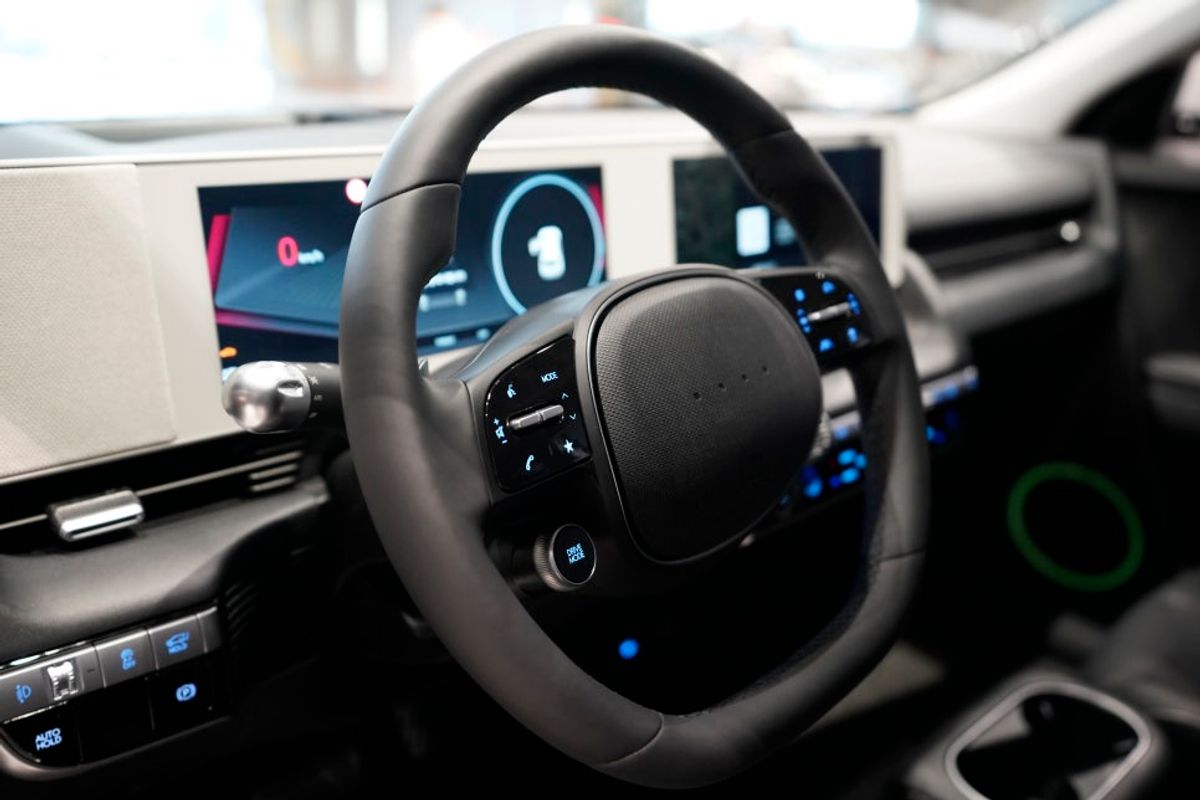
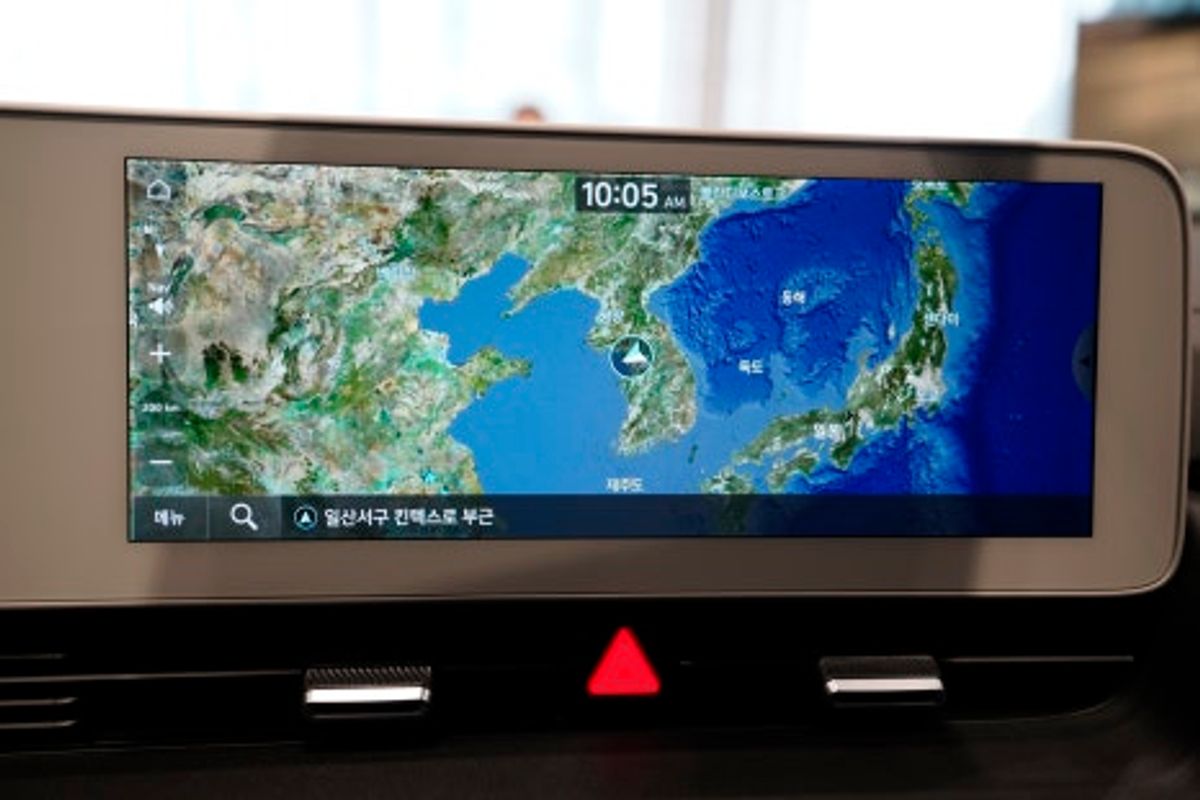
First, the high accuracy of Hyundai's navigation means that there is no need to connect Apple CarPlay or Android Auto to use apps like T-map or Kakao Navigation.
German imported cars often have less accurate navigation, so I usually connect my smartphone via Apple CarPlay to use T-map during test drives. However, owners of Hyundai models have praised their accuracy.
Owners also mentioned the spacious interior and refreshing openness as advantages, noting that good visibility has encouraged family members who were previously hesitant to drive to start driving confidently.
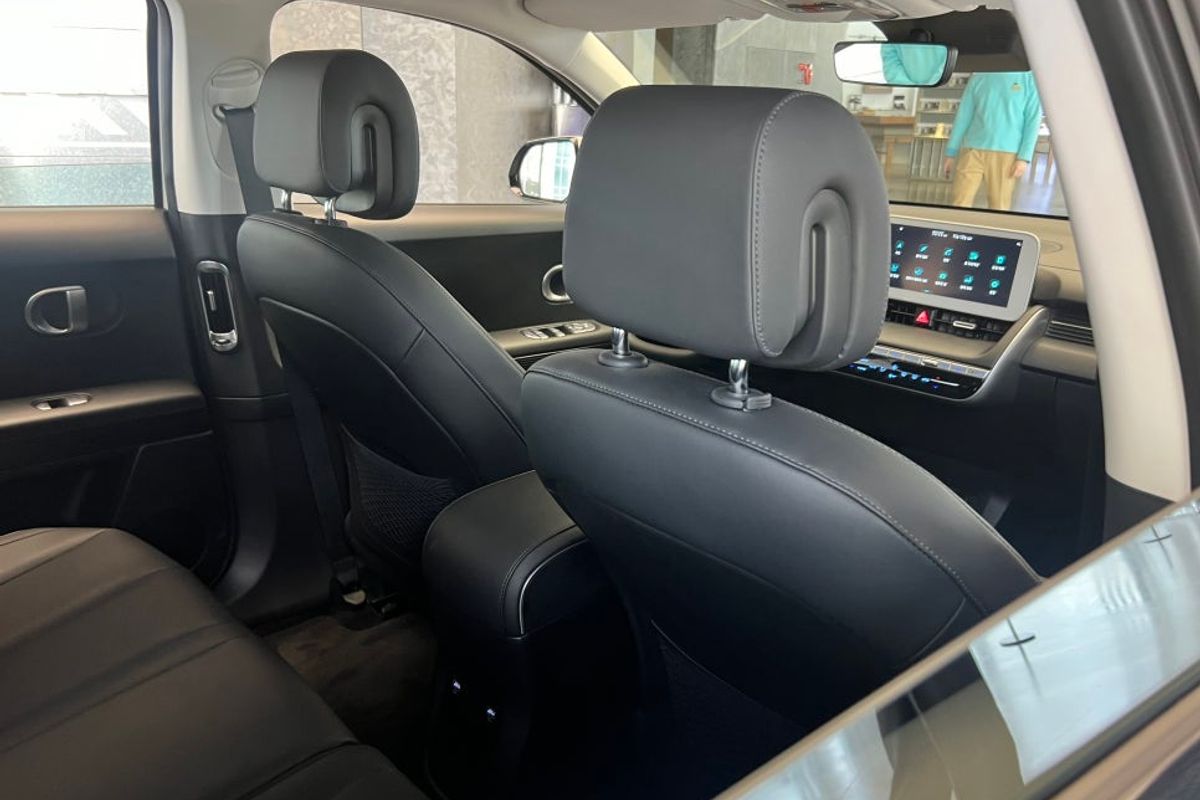
Compared to compact gasoline SUVs, the spaciousness of the interior is appealing, and as shown in the photo below, the space between the driver and passenger seats received the highest satisfaction ratings.
While they knew the heater would affect range, it was disappointing to hear that the driving range could fall below 186 miles (300 km) even with the heater on.However, owners pointed out battery efficiency as a disadvantage, as they were aware that efficiency drops in winter.
Of course, this issue is not unique to the IONIQ 5; it is a common problem with electric vehicles, so it’s worth considering.
Additionally, some owners mentioned that the IONIQ 5 is so common that they see it everywhere, including in car-sharing services and taxis, which makes the design feel less unique.
Owners who purchased the car right after its release were initially drawn to its design, but now feel that the novelty has worn off due to its prevalence on the streets.
While domestic cars like the Sonata and Grandeur experience similar phenomena, it could be a drawback for owners who prioritized a unique design.
 2023 IONIQ 5 Pricing
I compared estimated costs for both models using the least expensive trim.
IONIQ 5 Exclusive 2WD
Total Purchase Cost: 42,500,000 KRW (approximately $32,000 USD)
Vehicle Price: 40,000,000 KRW (approximately $30,000 USD)
Registration Tax: 2,040,000 KRW (approximately $1,540 USD)
Discount Amount: 390,000 KRW (approximately $290 USD)
Kia EV6 Light 2WD
Total Purchase Cost: 41,000,000 KRW (approximately $31,000 USD)
The electric vehicle subsidy information is as follows:
National Subsidy: 6,800,000 KRW (approximately $5,200 USD)
Local Subsidy (based on Seongnam): 3,500,000 KRW (approximately $2,700 USD)
 IONIQ 5: 36,230,000 KRW (approximately $27,000 USD)
Both models representing domestic electric vehicles still require a purchase cost of around 40 million KRW (approximately $30,000 USD) even after receiving the full electric vehicle subsidy.
However, many people feel burdened by the upfront costs.Using KS Auto Plan's long-term rental and lease options allows you to utilize electric vehicles without initial costs.
KS Auto Plan is a specialized agency for long-term rentals and leases that collaborates with all major capital companies, matching optimal conditions for clients and providing the lowest price comparisons.
For now, electric vehicles are cheaper to maintain than gasoline or diesel models, so you can set a usage period, drive economically, and return them without needing to spend time managing the vehicle.
If you have any other models in mind besides the IONIQ 5 mentioned today, it would be wise to get estimates in advance before making a decision.
You can easily apply for a lowest price comparison estimate on our website, and you can choose to receive it via phone, text, or KakaoTalk.
Even if you have received estimates from other companies, comparing them with KS Auto Plan's estimates, which offer high satisfaction at low costs, may lead you to a decision you won't regret.
This post was supported by KS for content creation.