As I frequently test drive cars, I often find myself wanting to try out certain models.
However, when it comes to actually buying a car...
I lack the confidence to drive it for a long time, and trends are changing so rapidly that
it’s true that I find myself in deep contemplation.

Until recently, I considered purchasing the Ioniq 5 for commuting due to its excellent fuel efficiency and quiet interior,
but with other brands launching electric vehicles that show remarkable advancements, even that decision has become challenging.
I also thought about not continuing to drive my K5, which has exceeded 137,000 miles, so I decided to actively consider "long-term rentals" as the most optimal alternative.
Today, I want to share insights about long-term rentals, including the pros and cons, for those who find themselves in a similar dilemma.
A long-term rental refers to the method of leasing a car for a specified period.
The actual ownership is registered under the rental company, and the lessee pays a monthly rental fee as stipulated in the contract.

When you first sign the contract, you set the duration, and when the contract ends, you can either return the car or take ownership.
You can also extend the contract, allowing for flexibility based on changing circumstances.
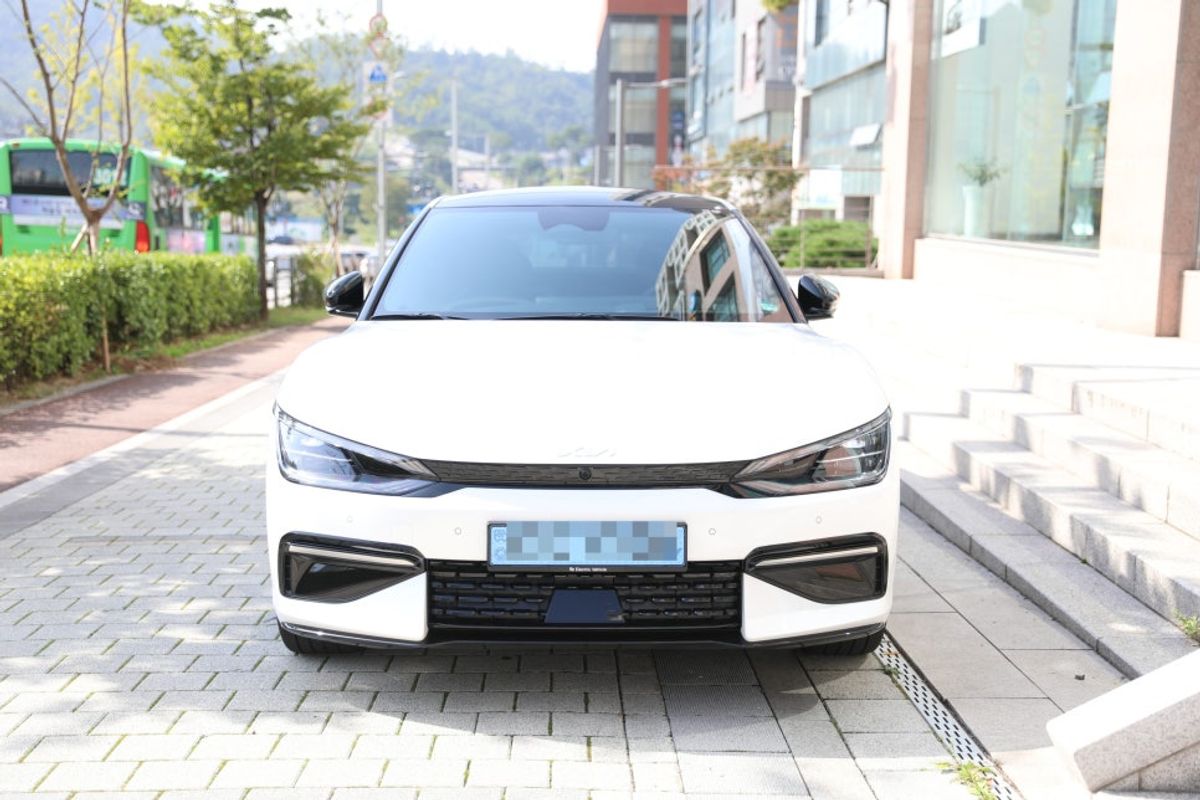
Long-term rentals are commercial vehicles, so as shown in the photo below, the license plates will display '하, 허, 호.'
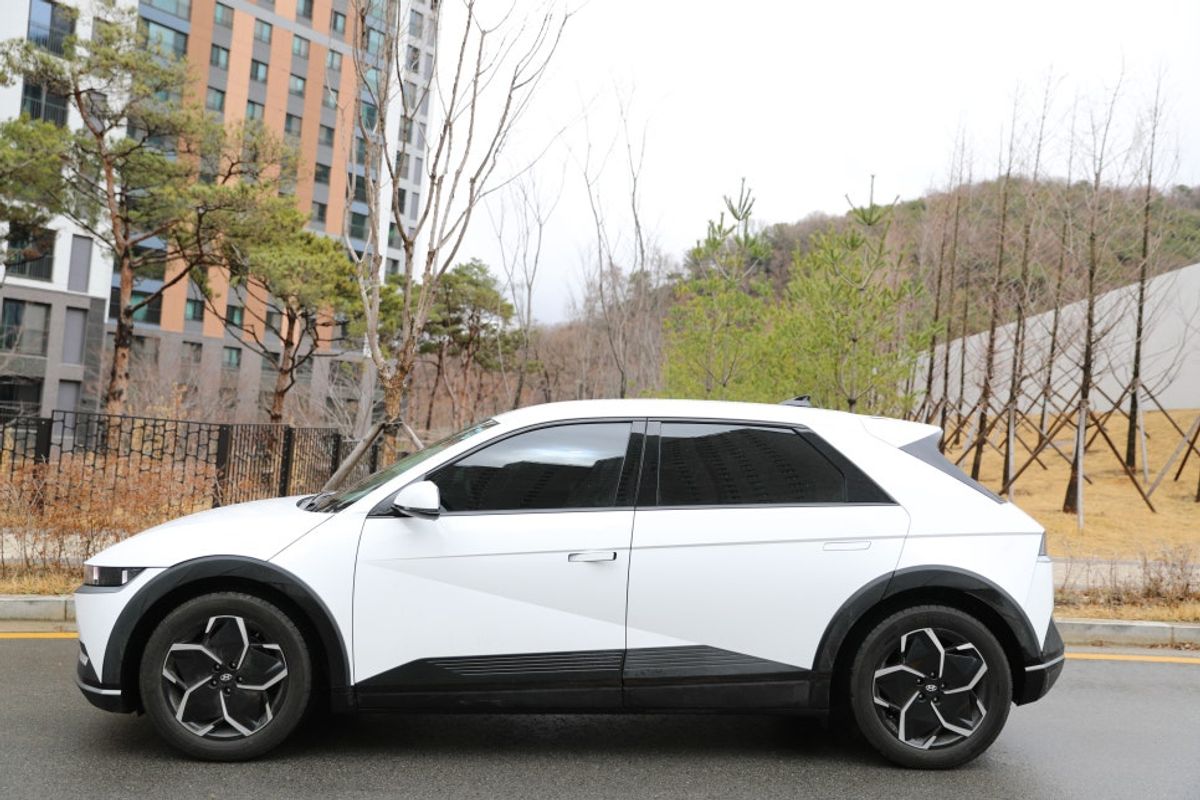
All these costs are included in the rental fee, and you only need to pay on a set date each month.
Since the car does not count as your property, you also don’t pay annual vehicle taxes, and your health insurance premiums won’t increase, which can be seen as another advantage.

Of course, renting a high-priced vehicle that exceeds your payment capability could be a burden, but the ability to utilize a necessary vehicle through long-term renting is undoubtedly a significant advantage.
If you anticipate changes in your residence, such as moving abroad in a few years, there’s no need to stress about purchasing a car.
In such cases, setting a safe period for a long-term rental contract allows you to avoid the inconvenience and financial loss of having to dispose of a vehicle later.
Since you set the residual value of the vehicle when you sign the contract, you can enjoy driving without worrying about depreciation.
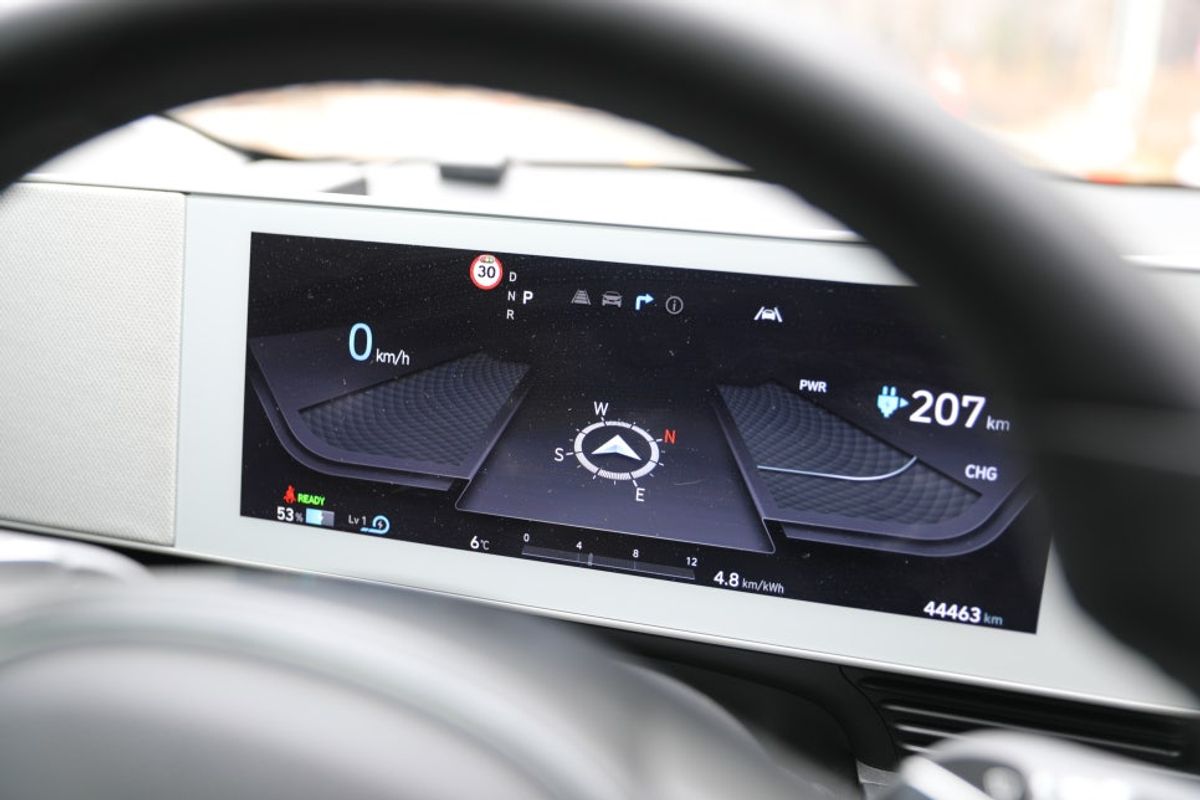
Long-term rentals set a deductible for accidents, so if an accident occurs, you only bear the cost up to the deductible.
Since the insurance contract is in the name of the rental company, your personal insurance premiums won’t increase even if an accident occurs, which can be particularly beneficial for inexperienced drivers.
However, one downside is that even if you don’t have any accidents during this period, you won’t gain any accident-free experience.
Consequently, insurance can either be an advantage or a disadvantage, depending on whether an accident occurs.
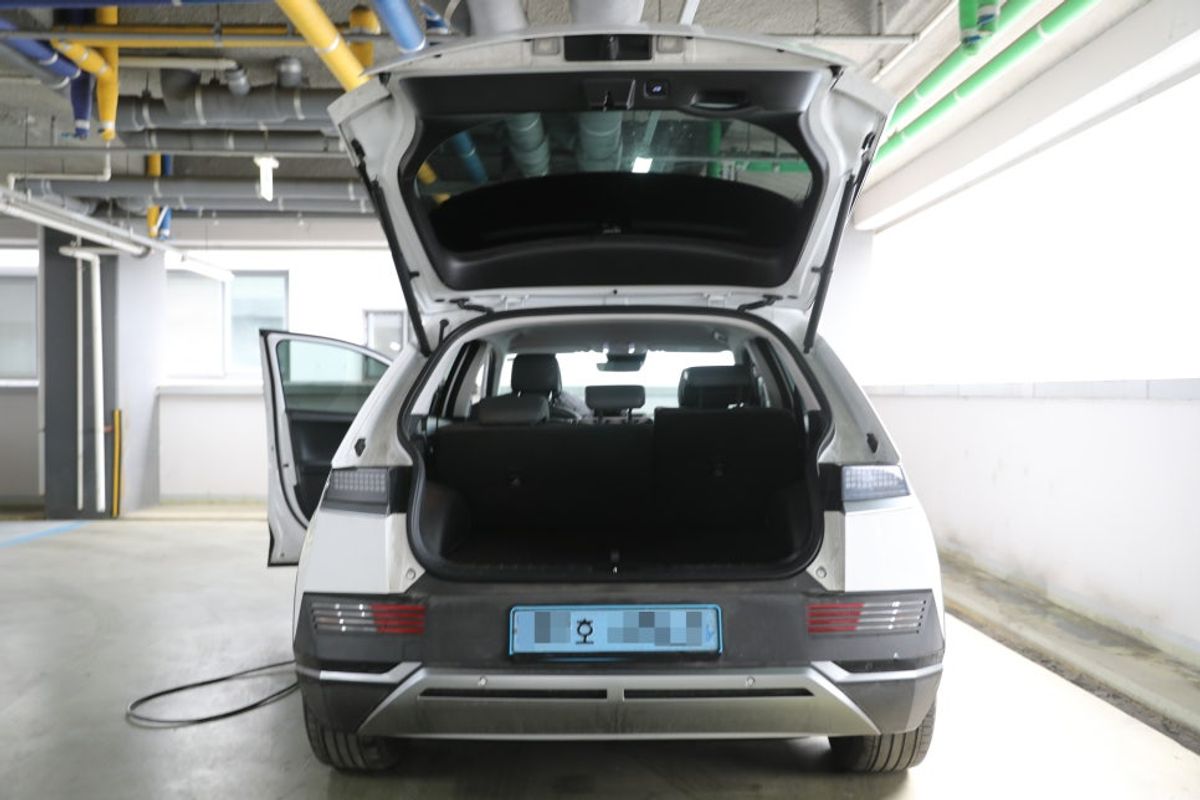
The biggest concern is that if you terminate the contract early, you will incur a penalty.
It’s more cost-effective to set a longer contract period when you first sign, as this will reduce the monthly rental fee.
If you cannot fulfill this period for unavoidable reasons...
you will have to pay the penalty specified in the contract.
Therefore, it’s crucial to set a period during which you are confident you won’t terminate the contract, even if it means a shorter contract duration.
The burden of the penalty for early termination is greater than the increase in monthly rental fees.

However, there are ways to avoid this penalty.
One method is to transfer the long-term rental to someone else, maintaining the contract.
Still, it’s essential to carefully set a duration that you can reliably adhere to when making the initial contract.
The agreed mileage should also be considered carefully.
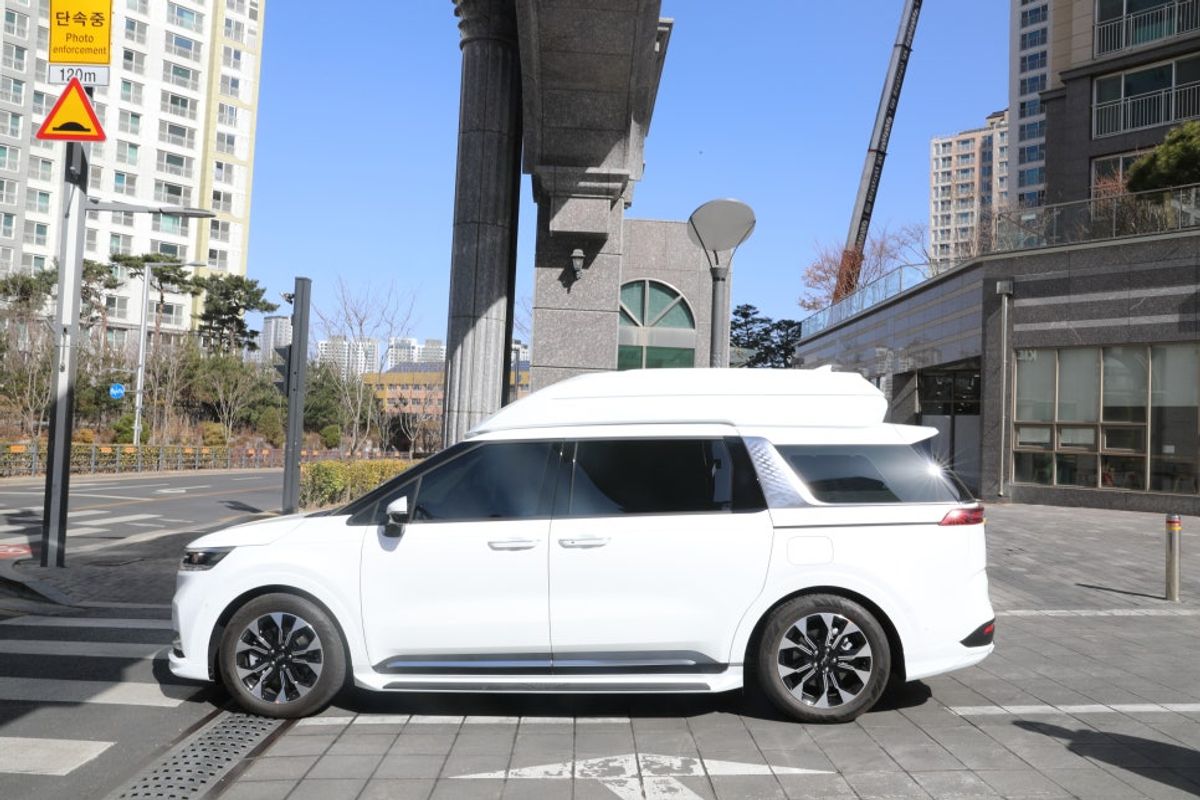
this can lead to significant penalties.
For these reasons, you should carefully assess both the rental period and the agreed mileage.
The final downside is the visible commercial license plate.
When the license plate displays '하, 호, 허,' people around you perceive it as a commercial vehicle,
which can lead to unwanted attention.
Recently, many individuals have been using long-term rentals personally, but due to longstanding biases, they may receive judgmental looks.
Long-term rentals have both advantages and disadvantages, and if you plan to contract based on your personal needs, consider the aforementioned points carefully.Especially if you set and adhere to the contract period and mileage, it can be a more rational and economically advantageous choice than purchasing a vehicle.

I plan to sign a long-term rental contract for an electric vehicle for three years.
During the next three years, due to work and personal matters, I expect to drive more than 18,600 miles annually.
Considering the electric vehicle's efficiency, this seems to be an economically sound choice.
Additionally, since electric cars have only recently been released, I have some skepticism about battery performance.
After three years, I can evaluate the battery's performance and decide whether to return it, take ownership, or renew the contract.
Honestly, I hesitate to purchase an electric vehicle without fully understanding battery life.
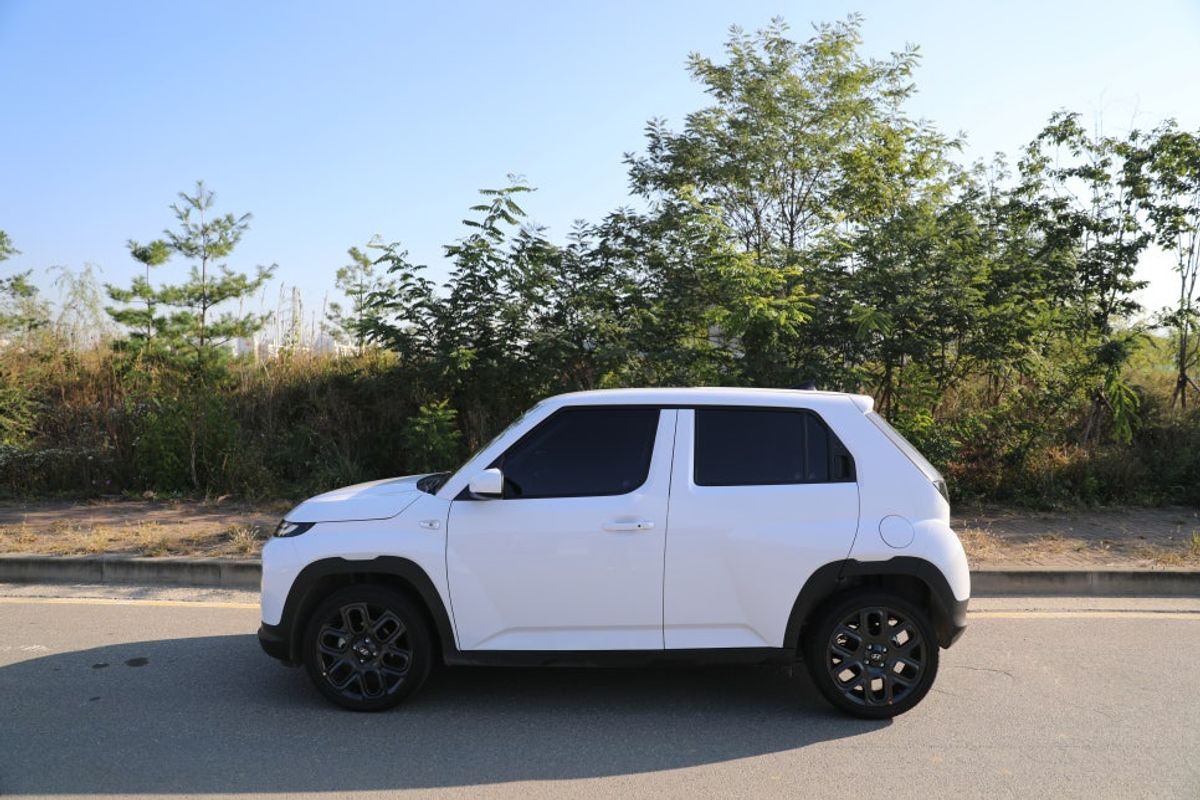 For these various reasons, I am contemplating a long-term rental contract, and I will likely either sign a long-term rental agreement or purchase a new or used car this year.
Now, all that’s left is to delve deeper into the contract for the model I want.
I am currently checking the availability and costs for long-term rentals through a company called 신차드림 (New Car Dream).
신차드림 is the top company in Korea, achieving sales of approximately $92 million in 2020, with the highest purchase and renewal rates.
They have over 8,500 domestic deliveries and a high number of positive reviews, which gives me confidence in my research.

Today, I have broadly shared information about long-term rentals, their pros and cons, and reliable companies.
If you have any additional questions, feel free to reply to me!
I hope this post helps many people, and I will conclude here.